Gluten Free American-style jam donuts

I finally made the leap and purchased an NZD$29 Kmart Pie Maker. They are quite the internet phenomenon in part because they can be used for so many things other than pies. We decided to celebrate the purchase with family by making coealiac friendly american style donuts! They are delicious!

Allergy friendly jam donuts

Ingredients

  • 1 1/2 cup Healtheries Gluten Free Bread Mix
  • 1/2 cup rice flour
  • 3 tsp Baking Powder
  • 3/4 cup sugar
  • (Pinch salt)
  • 1 tsp ground cinnamon
  • 1 cup rice milk
  • 1 tsp vanilla essence
  • 2 eggs (beaten)
  • 30g Nuttelex or 1/4 to 1/2 cup rice bran oil
  • Squeeze of lemon (or 1 Tbsp apple cider vinegar).
  • Filling: jam, or maple syrup, or honey.

Allergies: gluten free, dairy free, soy free, nut free

Note: Although I made 12 in the pie maker (3 rounds) you could bake them in the oven in muffin trays instead. You’d probably want 375’F / 180’C for 20-25 mins.

Directions

  1. Mix the dry ingredients.
  2. Make a well in the middle. Add milk, vanilla, eggs, rice bran oil, lemon juice. Mix well.
  3. Allow mix to stand for a few minutes (the gluten free flours will thicken)
  4. 3/4 fill each space in the pie maker. Put a teaspoon of jam in the middle. Put a little more mix over the top.
  5. Cook for 8 minutes. Remove and place on cooling rack. Put the next batch on to cook. (Makes 12 donuts) .

How do I make my bread light and fluffy?

Musings on baking bread

Musings on baking bread

I’ve written previously about ‘Everything you wanted to know about baking bread‘ and it occurred to me today that it’s a little more process driven than ingredient focused. My journey making bread began with making all our bread by hand which I found restrictive and time consuming. I later moved, very happily so, to a Panasonic Bread Maker. That allowed me a little more time to experiment with ingredients and research.

I gave serious contemplation to buying a sourdough starter (sourdough is much easier to digest than commercial bread) but my daughter doesn’t like the tangy taste. I researched ways to make the bread I was feeding my daughter more nutritious. I also made myself more aware of the chemistry involved and how different ingredients impact hydration ratios and rising.

Supermarket bread is essentially refined white flour (so basic starch) with a token amount of other ingredients potentially added; Julian Lee wrote an excellent article in 2018 revealing commercial bread-making processes in New Zealand. At home, you can start with high grade (or strong) white flour but add extra nutrition into the mix.

Whole Wheat

If you can afford to buy stone-ground whole wheat flour then you can make some pretty fine bread. If you’re shopping at the supermarket then it’s sufficient to be aware that the wheat kernel is made up of bran (fiber), the germ (protein and nutrition), and the endosperm (a starchy tissue). You can probably guess which part white flour is made from!

At the supermarket you can buy strong white flour and also buy bags of wheat bran and wheat germ. Not only do these have different nutritional profiles but these also have different impacts on the properties of your bread. Wheat bran has a drying quality and may require additional hydration. Wheat germ will naturally make your bread moister and fluffier.

Keep in mind that you don’t need to make a loaf entirely of white flour. When baking, I usually have 70-80% of my ‘flour’ made up of white flour and then use a range of dry ingredients to make up the weight. This equates to 350-400g of white flour and 50-100g of other flours and seeds.

Wholemeal Spelt Flour

Wholemeal spelt flour has a high nutritional profile and is easier to digest. It also has less gluten so will produce a denser loaf and may require guar gum to help it bind.

Wholegrain Kamut Flour

Like spelt, kamut flour is lower in gluten and easier to digest. It’s a brand name for khorasan wheat and is an older variety of wheat. There have been small studies performed which suggest that kamut flour has health benefits (over standard flour) and may help to reduce certain inflammation markers. It’s important to remember that one of it’s other benefits is that it is an organic wholegrain flour (as opposed to highly refined bleached white flour).

Ground Linseed – Sunflower – Almond (LSA)

Whole seeds can make a loaf dense and the texture doesn’t appeal to everyone. It’s not necessary to pour heaps of whole seeds into your bread dough. You can add plenty of protein, fiber, and omega-3 fatty acids just by adding 2 Tablespoons of ground seeds to your bread dough.

Popular powerhouses of nutrition include linseed (flaxseed), sunflower seeds, almonds, and chia seeds. Quinoa is another but I found even small amounts of quinoa flour to have a noticeable taste in the bread.

You might like to rotate different seeds in order to vary your nutritional profile. The cheapest and easiest option is to alternate between ground LSA and ground chia seeds.

Gluten Free Grains

One of my favourite ways of making multi-grain bread is to use Red Mill Gluten Free Mighty Tasty Hot Cereal. If you’re picturing a cereal box with some puzzlement, it’s actually a mix of freshly milled whole grain brown rice, corn, buckwheat and sorghum. It’s a handy way of adding a broader nutritional profile to the loaf and is so finely milled that it doesn’t overwhelm the loaf. It’s weight-dense so you only need a small amount; it still produces a fluffy loaf and is incorporated into the texture without being obtrusive.

Easy Carrot Cake

Best Ever Carrot Cake

Chelsea Sugar’s Best Ever Carrot Cake

Carrot cake is a delicious winter cake. It’s a great way to use up those extra carrots (while they’re cheap and plentiful) and get some warmly sweet spiced cake into lunchboxes or afternoon tea. My inspiration for the recipe is this Best Ever Carrot Cake which I’ve amended to add in some different micro-nutrients; also, swapping from nuts to seeds makes it suitable for childcare and schools with no-nut policies.

Carrot cake with seeds and ancient grains

Delicious carrot cake with seeds and ancient grains.

Ingredients

  • 1 1/2 cup plain flour
  • 1 tsp baking powder
  • 1 tsp baking soda
  • 1 1/2 tsp ground cinnamon
  • 1/2 tsp ground ginger
  • pinch Allspice
  • 3/4 cup brown sugar or raw coconut sugar
  • 200g grated carrot
  • ½ cup sultanas or raisins
  • 2 tsp ground chia seeds
  • 3 – 4 Tbsp Hubbards Seeds and Ancient Grains Toppers
    • or, a mix (as desired) of coconut thread, linseed, pumpkin seeds, sunflower seeds, buckwheat, puffed quinoa.
  • 3 large eggs
  • 1 cup rice bran oil or canola oil
  • 1 tsp vanilla essence

Allergies: dairy free, soy free, nut free.

Directions

  1. Pre-heat oven to 180°C bake (160°C fan-forced). Grease a 23cm cake tin (6cm deep) and line with baking paper.
  2. Sift all of the dry ingredients into a mixing bowl.
  3. Add carrot, sultanas, ground chia seeds, and coconut + seed mix and stir until combined.
  4. In a separate bowl, whisk eggs, oil and vanilla.
  5. Make a well in the dry ingredients and pour liquid ingredients into the dry ingredients. Mix until just combined.
  6. Pour the cake mixture into the prepared tin and smooth the surface. Bake for 40-50 minutes or until cooked (when a skewer inserted into the centre of the cake comes out clean). Remove from oven, cool for 10 minutes then remove from the cake tin and peel away the paper.
  7. Optional: make cream cheese icing to decorate.


Cream Cheese Icing

  • 50g butter, softened
  • 125g cream cheese, chopped
  • 1½ cups Icing Sugar

Cream Cheese Icing
Beat butter and cream cheese together until combined. Stir in Chelsea Icing Sugar, then beat mixture on high speed until light and fluffy.

Easy Banana Muffins (or Banana Cake) that can be made vegan and allergy free!

Banana cupcakes & gingerbread spice cookies

Banana cupcakes & gingerbread spice cookies. Made vegan and allergy free.

Banana cake has long been one of my nemesis; I just haven’t had the knack. I’m so glad to have finally found a recipe that works! It also has the wonderful bonus of being dairy, egg, soy, and nut free! I have also made it gluten free 🙂

Ingredients

  • 2 mashed / pureed ripe bananas*
  • 5 Tbsp neutral oil (I use rice bran)
  • 1/2 cup water + 1/2 cup water
  • 1 1/2c plain flour (or Healtheries Gluten Free Bread Mix).
  • 3/4c sugar
  • 1 tsp baking powder
  • 1/2 tsp salt
  • 1 tsp baking soda
  • 1 Tbsp vinegar (I use apple cider)

Tip: The riper the bananas, the better this will work! As the bananas ripen they convert starch to sugar. Really ripe bananas will mash more easily, be sweeter, and have a more intense banana flavour.

Gluten Free: You can, of course, use a different gluten free flour! The reason that I’ve listed that one is because it contains guar gum but no raising agents (as the recipe includes those). You could, for instance, substitute superfine rice flour and add guar gum. Personally, I don’t use xanthan gum as it can be grown using soy as a base. You may need to experiment a little with gluten free flours to get the cake just right (you may want to start with muffins as it’s easier to tell when they’re cooked). Keep in mind that gluten free baking is often moister, denser, and may require a longer baking time.

Allergies: soy free, dairy free, egg free, nut free, gluten free*

Directions

  1. Preheat oven to 180’C and prepare muffin trays / cake tin.
  2. Mash your bananas until you have a smooth texture. Tip: A food processor can do this quickly for you but you’ll want to do the actual mixing by hand.
  3. Mix in the oil and 1/2 cup water.
  4. In a separate bowl, sift the flour, sugar, baking powder, baking soda, and salt.
  5. Add the wet ingredients (banana, oil, water) to the dry ingredients. Add the vinegar.
  6. Stir till just combined. (Slowly add additional water if required).
  7. Quickly get into cupcake cases, muffin trays, or cake tin, and pop in oven.
  8. Bake until skewer comes out clean. Approximately 12 – 15 mins for muffins and 30-40 mins for cake.

Icings: Check out these ideas for completely natural icings that don’t use any artificial additives and are easy to make.

Tips: I’ve made this recipe several times. Lessons learned: using the plastic batter-stirrer-attachment-thingy for the food processor makes for a denser end product (so does over stirring by hand); the rising effect that you get from the vinegar + baking soda means that you want to get this into the oven quickly (instead of having a lengthy sidebar with your toddler about how baking is really just chemistry in the kitchen).

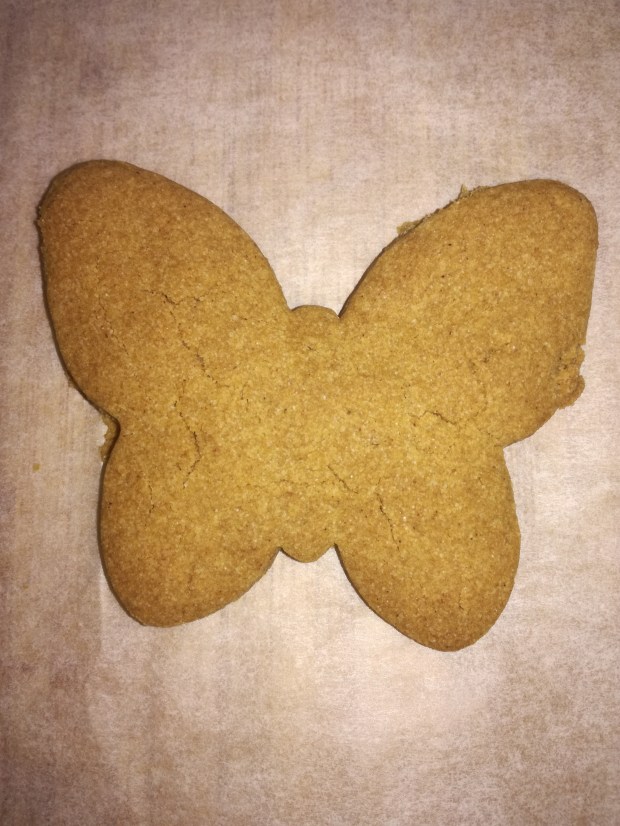
Gingerbread / Spice Cookies (Allergy Free)

Gingerbread cookies

Gingerbread cookies

Ingredients

  • 2 cups plain flour (I have also used Healtheries GF Bread Mix)
  • 1 tsp Baking Soda
  • 1 tsp Baking Powder
  • 2 tsp ginger
  • 1 tsp cinnamon
  • 1/2 tsp allspice
  • 150g butter or allergy free spread (I use Nuttelex)
  • 3/4 cup brown sugar
  • 2 – 3 Tbsp Maple Syrup or Golden Syrup
  • Drop vanilla
  • Pinch salt

Note: These make a light more-ish spices gingerbread cookie (as opposed to one denser and chewier). Maple syrup will provide a more delicate flavour, golden syrup a more traditional one. The flavour notes are easy to experiment with, you can add more ginger and a pinch of nutmeg. I’ve made these a lot as my daughter loves them and this is her favourite combination.

Allergies: dairy free*, gluten free*, soy free, egg free, nut free.

Directions

  1. Cream ‘butter’, sugar, maple (or golden) syrup, and vanilla.
  2. Add flour, baking soda, baking powder, salt, and spices.
  3. Knead everything together. It will gradually turn from breadcrumbs to a soft cookie dough. Add a little water if you need to but just a tablespoon at a time.
  4. Refrigerate for 30 – 60 mins. You can leave it in a ball or roll it out. It’s tempting to try cutting it but (and I speak from experience) it doesn’t work very well at room temperature.
  5. Preheat oven to 180’C while rolling out the cookies.
  6. Place cookies on a baking sheet / lightly oiled baking tray.
  7. Bake for 12-15 mins.
  8. Take out from oven and allow to cool briefly before placing on cooling rack to continue cooling.

Tip: If you want a fancy (and easy) dessert reserve some of the cookie dough. Serve balls of French vanilla ice cream with little balls of cookie dough and a warm gingerbread cookie.

Note: These cookies are soft coming straight out of the oven and will harden overnight. They are delicious either way. They also freeze well.

Gingerbread cookies with chocolate icing

Gingerbread cookies with chocolate icing

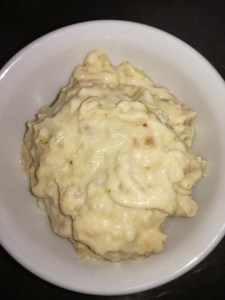
Butter bean dip

butter bean dip

Butter bean dip

This is a great way to use up leftover Butter Beans with Butter & Garlic. Serve it with freshly made bread, rice crackers, pita chips etc.

Ingredients

  • Sauteed butter beans with butter (or rice bran oil) & garlic
  • Natural greek yoghurt
  • Lemon juice (or a pinch or citric acid)
  • Optional: fresh herbs like parsley, chives, coriander.
  • Optional: for a Moroccan style dip: add 1 tsp ground cumin, 1 tsp paprika, and garnish with dukkah.

Note: Most of the ingredients for the dip have already been included when you cooked the beans; the flavour of the dip will be impacted by which optional extras you cooked with the beans (i.e. leek, shallots etc.)

Allergies: gluten free, soy free, egg free, nut free, dairy free*.

Directions

  1. In a bowl, mix natural greek yoghurt with a teaspoon of lemon juice (or a pinch of citric acid).
  2. Mash the beans.
  3. Mix the bean mash into the yoghurt mix.
  4. The dip is tangy with smokey notes. You can adjust the flavour, if desired, by slowly adding any of the following: lemon juice, olive oil, salt, maple syrup, chilli.
    • Just remember that it’s easy to add more of something but much harder to balance if you put too much of something in!
  5. Garnish with fresh herbs and serve with freshly made bread, rice crackers, pita chips etc.

Tip: You can fork mash these for a rustic blend or pop everything in a food processor to get it smooth.

Butter Bean Dip

Butter Bean Dip (rustic blend)

Moist & delicious Chocolate Cupcakes (gluten free!)

I love chocolate. I’ve posted a few chocolate recipes like the Crazy One Dish Chocolate Cake and the Chocolate Irish Potato Cake, and I’ve posted some make-from-scratch gluten free recipes like the Vanilla Cupcakes and the all natural pink berry flavoured icing. I wanted to play around in the kitchen with some different gluten free ingredients and make a wonderfully chocolatey and moist cupcake that also wouldn’t be packed with sugar – I prefer to balance my cakes so there’s more chocolate flavour in the cake and then extra sweetness in the (optional) icing. Miss 2 loved these with all natural peppermint icing or the Chocolate Buttercream icing (dairy free).

Ingredients

Group 1

  • 1 cup hot water
  • 1 tsp instant coffee powder
  • 1/2 cup neutral vegetable oil (like Rice Bran oil)
  • 1 egg
  • 1 tsp vanilla
  • Generous pinch ground cinnamon

Group 2

Allergies: dairy free, soy free, gluten free, nut free.

Directions

  1. Preheat the oven to 180’C.
  2. Whisk together the ingredients in Group 1. This helps to aerate the mix. You can use a stick blender or I used the food processor (with a plastic mixing attachment, not a metal cutting blade!).
  3. Sift together the ingredients in Group 2.
  4. Mix the combined dry ingredients into the whisked liquid.
  5. Pour into cupcake cases (makes about a dozen). Bake at 180’c for approx. 25-30 mins or until cooked.
  6. Allow to cool before icing. (We liked combining these with an all natural peppermint icing!).


Icing 

The icings that I use don’t have any artificial colours, glycerin, additives etc.

Homemade Mayonnaise!

The great thing about homemade mayonnaise is that it’s quick to whip up and you can alter it to suit your tastes. You can make a mild and creamy hollandaise sauce type mayo to dip fries in, a mustard & tarragon mayo to go with chicken, or add dill / parsely to serve with fish.

It’s also a blessing if your family has food allergies because you have control of all the ingredients that go in. A soy allergy that doesn’t allow for vegetable oil, emulsifiers, or xanthan gum makes finding a safe store-bought mayo difficult! Miss 2 was still sensitive to the synthetic antioxidants, sulphites, and preservatives in the sauces that we could try. We’ve now moved to an RPAH Failsafe Diet exclusion of additives which means making sauces from scratch.


Ingredients

  • 2 medium eggs (room temperature)
  • 1 cup of neutral oil
    • i.e. 1/2 cup extra virgin olive oil + 1/2 cup rice bran oil, or 1/2 cup olive oil + 1/2 cup coconut oil, or 1 cup avocado oil.
  • 2 – 3 tsp apple cider vinegar
  • 1 tsp lemon juice (or 1/4 tsp citric acid)
  • Generous pinch of salt
  • Optional: 1 tsp dried garlic granules, or 1/2 tsp mustard powder, or 1 tsp fresh herbs.  Add a little liquid honey or maple syrup if you prefer your mayo sweet.

Allergies: gluten free, soy free, dairy free, nut free.

For an egg free mayonnaise, check out this vegan mayonnaise recipe on Jane’s Healthy Kitchen. Her secret is coconut oil (but this will only work in cool weather and cool dishes). Another option is an aquafaba vegan mayonaise.

Tip: Eggs should be room temperature; you can put them in lukewarm water for a few minutes to warm. It will work if they are straight from the fridge but may take longer to whip up and thicken.

Tip: Lots of recipes use Dijonnaise mustard; these are packed with sulphites and preservatives so are not suitable for sensitive guts and or children. I recommend dry mustard powder.

Tip: If using olive oil choose one with a very light flavour or mix it with another oil – it risks overpowering the flavour otherwise.

Directions

  • If using a stick blender: Place all ingredients except the oil in a narrow jug or jar. Place a wand mixer in the jar, then add the oil. Whizz together, lifting the wand from the bottom of the jar to incorporate the oil. It will thicken to create a creamy mayonnaise.
  • If using a (smoothie) blender): Place all ingredients in the blender (oil last) and whizz until creamy. Note: If you have large eggs, you can try just using one and add the second if the mayo isn’t thickening.

Tip: Once the mayo is mixed up, taste and add further seasonings to taste. Remember, it’s easy to slowly add more but tricky to balance if there’s too much!

Pour mayonnaise into a sterilized glass jar; it will keep for up to a week in the fridge.

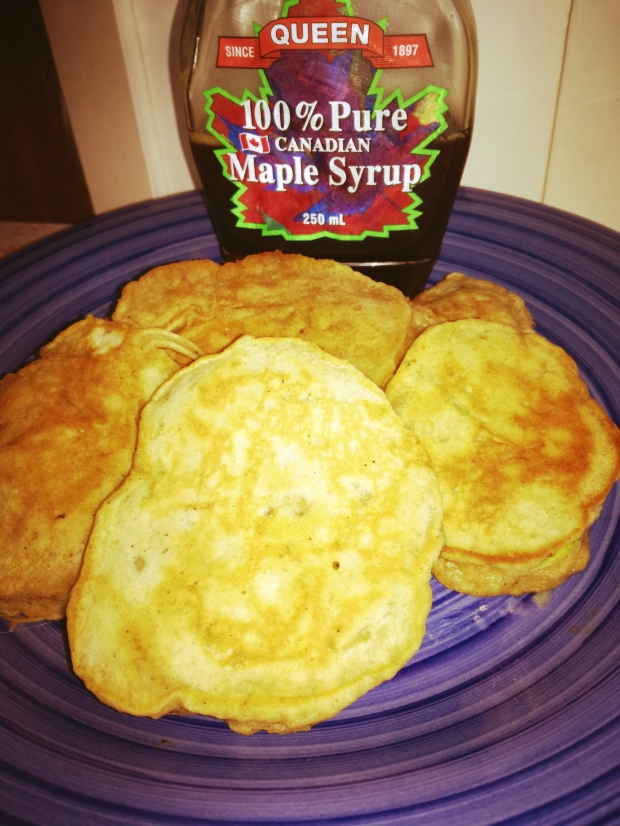
Choko Pikelets (apple pie style!)

Choko pikekets (apple pie style!)

Choko pikekets (apple pie style!)

I posted earlier about why choko are awesome and such a versatile vegetable; as well as being nutritious they are also cheap, easy to grow,  and low in natural food chemicals (amines, salicylates, glutamates) which makes it suitable for sensitive guts, and those following a RPAH Failsafe diet (often useful for allergy sufferers).

It easily takes the place of fruits like apple or pear which means it’s a great way of adding a vegetable into your baking! Miss 2 loved these apple pie style Choko Pikelets and kept asking for more!

I’ve kept the spices mild but you can definitely play around with them to suit your palate! Try increasing the cinnamon to 1 tsp, or adding 1/2 tsp ground ginger, a pinch of nutmeg, a pinch of ground cloves, or a combination of these!

Ingredients

  • 1 cup plain flour
  • 1 tsp Baking Powder
  • 1/2 tsp Baking Soda
  • Pinch salt
  • 1/2 tsp ground cinnamon
  • 1/4 tsp allspice
  • 2 Tbsp maple syrup + 1 Tbsp brown sugar, or, 1/4 cup white sugar.
  • 1/2 cup grated fresh choko
    • Just like grating potatoes, a lot of water comes out. Pat the grated choko dry before use.
  • 3/4 cup milk (can use almond or rice milk)

Note: Other names for choko include – chayote, sayote, labu siam, seemai kathrikai, Buddha’s Hand Melon, lóng xü.cài, ishkus, इस्कुस, স্কোয়াশ, Bangalore brinjal, chou chou, pipinola.

Tip: Although the recipe is gluten based, you can easily use Nana’s Yummy Gluten Free Pikelets and just add the choko + spices.

Allergies: gluten free*, dairy free*, soy free, nut free.

Directions

  1. Whisk the egg and 1/2 cup milk until frothy.
  2. Combine the dry ingredients.
  3. Stir in the choko. Then mix in the frothy egg + milk mixture.
  4. Slowly mix in the additional 1/4 cup milk until you have a smooth consistency.
  5. Allow mixture to stand for a few minutes.
  6. Heat a non-stick frying pan over medium heat. Wait until it is hot and then brush with butter or allergy-free spread (like Nuttelex).
  7. Drop level tablespoonfuls of the mixture into the pan and cook for half a minute or until bubbles appear on the surface.
  8. Turn over and cook other side for 1 minute until golden.
  9. Allow to cool and serve with butter / spread and honey or jam.