Easy Cheesy Taco Mince (Keto + Gluten Free!)

Served with konjac fettucine and broccoli; yum!

Makes two servings @ 10.2 carbs each; if cooking for the family simply scale up the recipe. For keto eaters, this is great served with konjac noodles and green above ground veggies; for gluten free families consider serving with brown basmati rice or wholegrain gf corn chips.

Note: Those on keto can reduce carbs further by making their own spice mix; calculations for this recipe are based on Farrahs Taco Spice Mix.

Ingredients

Directions

  1. Lightly brown mince in a frying pan/skillet.
  2. Add tomato paste, spices, salt, dried onion and cook for a few more minutes.
  3. Turn off heat (leave on hot element) and stir in cream cheese + colby cheese.
  4. If using konjac noodles: rinse them, stir in, and return pan to low heat for a few minutes until noodles are cooked.

NUTRITIONAL INFORMATION

Based on 2 servings per recipe; nutritional breakdown is approx:

Average Quantity
per Serving
Energy2337.2 kJ (558 kcal)
Protein41.8 g
Fat, total38.9 g
– saturated21.1 g
Carbohydrate10.2 g
– sugars5.4 g
Dietary Fibre1.8 g
Sodium822.2 mg
Calcium206 mg

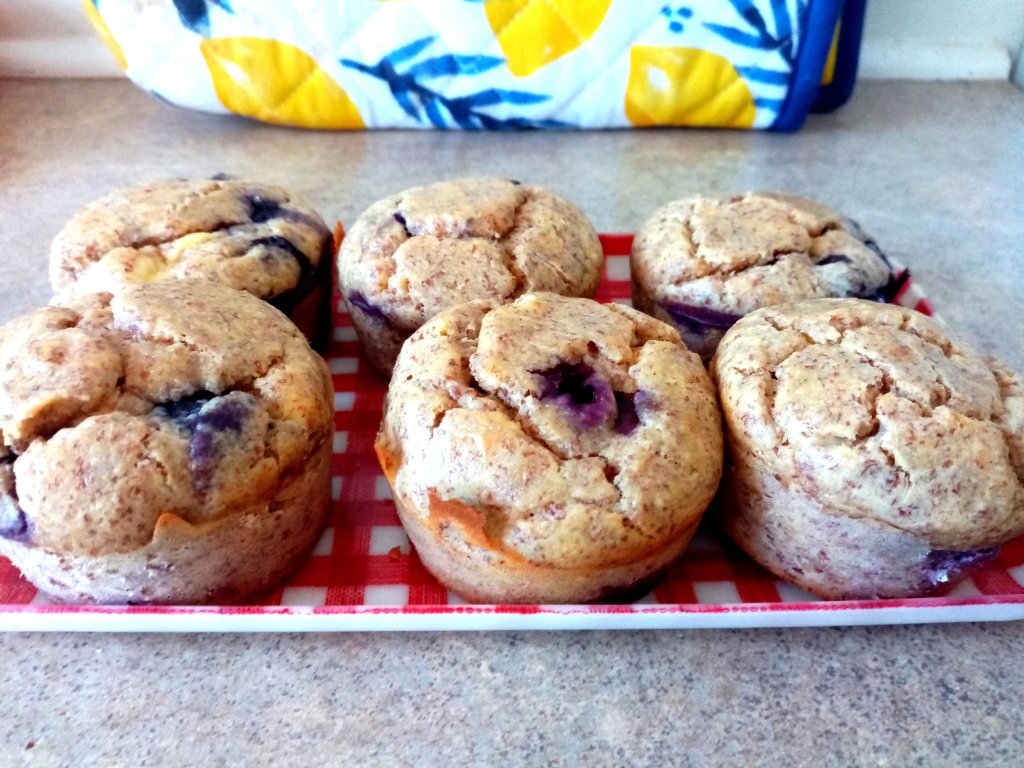
Blueberry and Lemon muffins (Keto + Gluten Free!)

These Keto friendly muffins are gluten free, soft, naturally sweet, and contain only 3.3g net carbs per serving! They are lovely served warm from the oven (and can be frozen to use as needed).

Ingredients

Allergies: free from gluten and soy.

Note: These muffins are sugar free and naturally sweetened by the cream cheese and blueberries. If you prefer them sweeter you could add a little Maple Syrup (either natural, or an alternative like ‘Queen Maple Syrup Flavoured Sugar Free’ to maintain the low carbs).

Tip: For a finer consistency, consider ordering finely milled almond flour online.

Directions

  1. Line or grease a 6-serving muffin tin. Preheat the oven to 180’C / 350’F.
  2. Melt the butter (I use a large pyrex jug in microwave).
  3. Stir in the almond meal. Let it stand for 5-10 mins so that it thickens a little.
  4. Stir in the baking powder, eggs, and cream cheese.
  5. Gently fold in the fresh blueberries and lemon peel.
  6. Spoon into the muffin tin. Bake for 18-22 mins (or until a toothpick comes out clean).

Nutritional Information

Based on 6 servings per recipe; nutritional breakdown is approx:

Average Quantity
per Serving
Energy874.1 kJ / 209.9 kcal
Protein6.1 g
Fat, total18.8 g
– saturated6.5 g
Carbohydrate3.3 g
– sugars2.6 g
Dietary Fibre2.1 g
Sodium219.5 mg
Calcium54.9 mg

Madagascar chicken

While studying Madagascar, I was fascinated by their terraced rice fields (unusual for an African nation). The Malagasy people use rice as a part of all three meals and also draw on many cultural influences in their cooking.

One dish that particularly drew my attention was this idea for a simple marinade that would allow me to make good use of our bountiful lemon tree.

Ingredients

  • Fresh lemon zest
  • Ginger
  • Garlic
  • Salt
  • Coconut oil / Coconut cream
  • Chicken
  • Rice

Directions

Unlike most recipes, I’m keeping this simple since the focus is really on the combination of flavours used.

In a deep dish, place your chicken. You want something that will stay tender like chicken thighs or whole legs.

Onto the chicken, rub fresh lemon zest (the finely grated skin of the lemon), fresh grated ginger (or ground ginger), some crushed garlic, and coconut oil. Alternatively, use rice bran oil and add a little coconut cream to your finished dish.

Marinate the chicken overnight to absorb the flavours. Cook until tender using your choice of BBQ, skillet, or air fyer.

Serve with rice.

Consider adding a popular Malagasy side dish, such as Lasary Voatabia or Mofo Sakay.

Yummy Chocolate beetroot muffins!

This is a versatile recipe that can be used to make moist scrumptious cupcakes, muffins, or mini-cakes.

Ingredients

  • 150g grated fresh beetroot
  • 2 eggs (whisked)
  • 1/2 cup rice bran oil
  • 1/4 cup water, rice milk, or cow milk.
  • 1 1/2 cup high grade flour
  • 3/4c sugar
  • 1/3 cup Dutch cocoa powder
  • 2 tsp baking powder
  • Optional: 2 tsp hemp seed protein powder

Allergies: dairy free*, soy free, nut free.

Directions

  1. Put oven on to pre-heat to 180’C / 375’F. Grease your muffin tray or springform mini-tins.
  2. Sift the flour, baking powder, cocoa powder, and sugar into a bowl. Add hemp seed protein powder (if using). Whisk.
  3. Add the grated beetroot, eggs, and rice bran oil. Mix to combine. It will still look a little dry. Add the water / milk and it should look just right once mixed in.
  4. Divide the mix amongst your muffin cases etc.
  5. Bake for 20-25 minutes (or until a toothpick / sharp knife comes out cleanly from the centre).

Allow to cool and then consider icing CHOCOLATE BUTTERCREAM ICING (ALLERGY FRIENDLY).

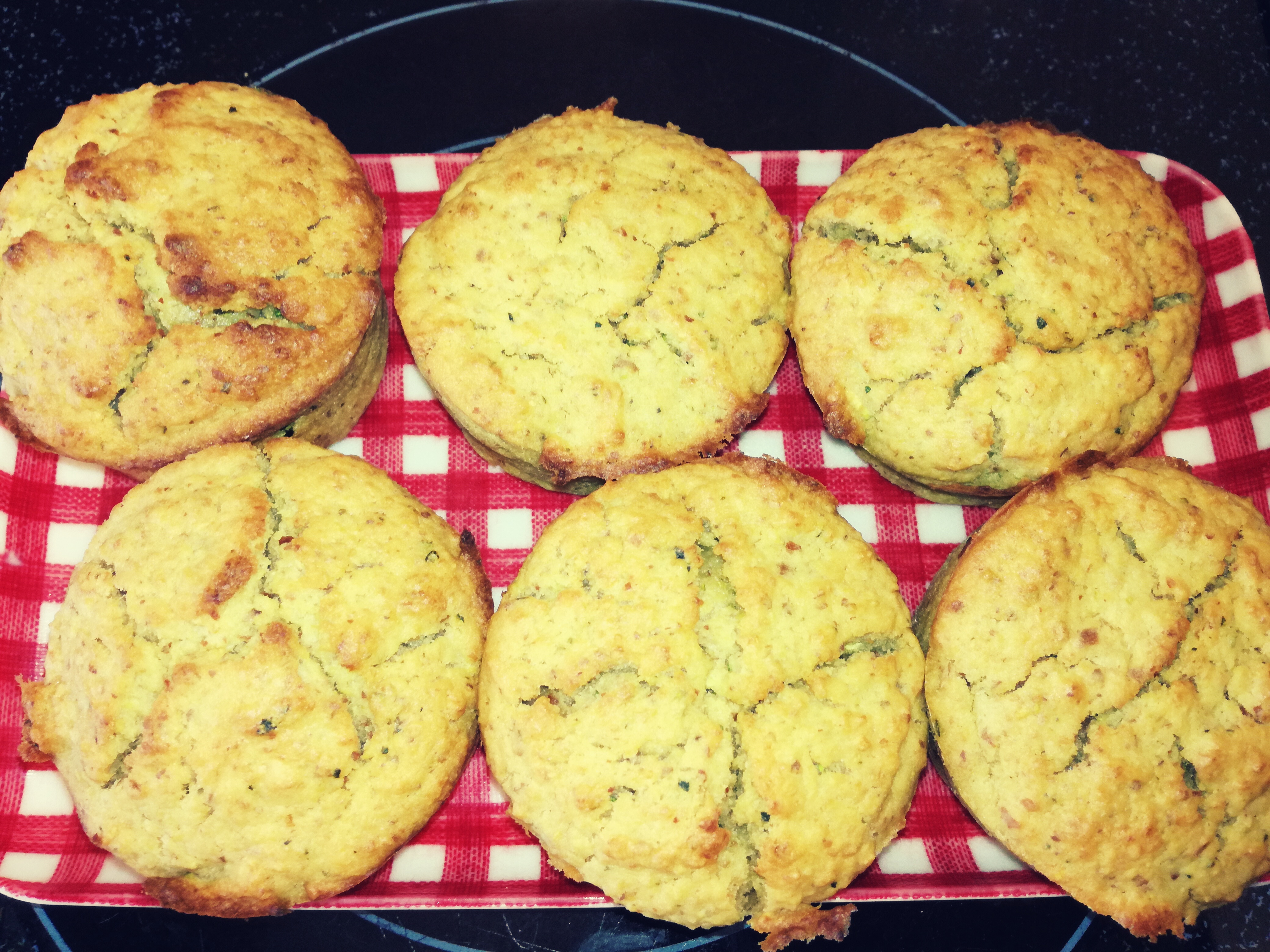
Summer Baking: Apple & Zucchini Muffins

Summer baking: Apple & Zucchini Muffins

Apple & Zucchini Muffins

Ingredients

  • 1 cup apple (peeled, grated)
  • 1 cup zucchini / courgette  (peeled, grated)
  • 1 tsp vanilla essence
  • 2 eggs
  • 1/2 cup coconut oil (soft) or 1/2 cup Nutellex
  • 1 Tbsp maple syrup.
  • 2 cups flour
  • 2 tsp baking powder
  • 1/2 cup brown sugar
  • 1/4 cup almond meal
  • 1/4 cup wheat germ

Allergies: soy free, dairy free, egg free*.

Note: Consider mixing this up by doing a 1/2 cup apple and 1/2 cup diced peaches.

Tip: Leaving the skin on the zucchini is fine but feel free to peel it if you don’t want any green specks in the muffins.

Directions

  1. Preheat oven to 180’C / 360’F.
  2. In a food processor, blend the apple, zucchini, vanilla, eggs, maple syrup and coconut oil until smooth. (If you prefer a rougher texture then mixing in a bowl is fine).
  3. Mix in the flour, baking powder, brown sugar, almond meal, and wheat germ.
  4. Spoon mixture into muffin tins.
  5. Bake for 25-30 mins (or until a toothpick comes out cleanly).

Apple Nut Muffins

Apple Nut Muffins

Apple Nut Muffins

These sweet treats are high in natural goodness and fruit fibres, do not contain refined sugar, and contain valuable trace minerals from the almond, brazil, and cashew nut butter.

There are a few different ways that you can make this recipe and I have endeavoured to include options without over-cluttering. Keep in mind when subbing ingredients whether it will impact the recipe overall; i.e. coconut oil or butter will solidify in cold temperatures and hold a gluten free version together better than rice bran oil; using almond meal rather than flour will give a substantially different texture.

Ingredients

  • 1 cup flour + 30g fine instant oats
  • 1 tsp baking powder
  • 1 tsp baking soda
  • 1/4 tsp salt
  • 1 1/2 ripe bananas (= 150g frozen sliced banana)
  • 2 apples peeled and quartered (= 350g intact apples)
  • 1/4 cup Almond Brazil Cashew nut butter (or almond butter).
  • 2 tsp Orgran egg replacer + 4 Tbsp water
    • OR: 2 flax eggs
    • OR: 2 eggs
  • 2 Tbsp coconut oil (melted)
    • OR: 2 Tbsp rice bran oil
    • OR: 2 Tbsp butter (soft)
  • 1/4 cup maple syrup
  • 1 Tbsp apple cider vinegar
  • Optional: 1 tsp cinnamon

Allergies: This recipe can be made gluten free, soy free, dairy free, egg free, peanut free. Contains tree nuts.

Directions

  1. Preheat the oven to 180’C / 350’F. Grease a muffin tray or cupcake liners.
  2. In a food processor, blend the banana and apple until smooth. (If you prefer a rougher texture, grate the apple instead and mix in at the end).
  3. Add the egg replacer (or eggs), coconut oil, ABC nut butter, and maple syrup. Pulse to combine.
  4. Add the flour, oats, baking powder, baking soda, salt, cinnamon (if using), and apple cider vinegar. Gently pulse to combine.
  5. Spoon your batter into the muffin trays and place in preheated oven.
  6. Cook for about 35 minutes. Check after 25 minutes (you may want to add tinfoil as a cover for the remainder).
  7. Take out of the oven and allow to cool for 10 minutes.

How do I make my bread light and fluffy?

Musings on baking bread

Musings on baking bread

I’ve written previously about ‘Everything you wanted to know about baking bread‘ and it occurred to me today that it’s a little more process driven than ingredient focused. My journey making bread began with making all our bread by hand which I found restrictive and time consuming. I later moved, very happily so, to a Panasonic Bread Maker. That allowed me a little more time to experiment with ingredients and research.

I gave serious contemplation to buying a sourdough starter (sourdough is much easier to digest than commercial bread) but my daughter doesn’t like the tangy taste. I researched ways to make the bread I was feeding my daughter more nutritious. I also made myself more aware of the chemistry involved and how different ingredients impact hydration ratios and rising.

Supermarket bread is essentially refined white flour (so basic starch) with a token amount of other ingredients potentially added; Julian Lee wrote an excellent article in 2018 revealing commercial bread-making processes in New Zealand. At home, you can start with high grade (or strong) white flour but add extra nutrition into the mix.

Whole Wheat

If you can afford to buy stone-ground whole wheat flour then you can make some pretty fine bread. If you’re shopping at the supermarket then it’s sufficient to be aware that the wheat kernel is made up of bran (fiber), the germ (protein and nutrition), and the endosperm (a starchy tissue). You can probably guess which part white flour is made from!

At the supermarket you can buy strong white flour and also buy bags of wheat bran and wheat germ. Not only do these have different nutritional profiles but these also have different impacts on the properties of your bread. Wheat bran has a drying quality and may require additional hydration. Wheat germ will naturally make your bread moister and fluffier.

Keep in mind that you don’t need to make a loaf entirely of white flour. When baking, I usually have 70-80% of my ‘flour’ made up of white flour and then use a range of dry ingredients to make up the weight. This equates to 350-400g of white flour and 50-100g of other flours and seeds.

Wholemeal Spelt Flour

Wholemeal spelt flour has a high nutritional profile and is easier to digest. It also has less gluten so will produce a denser loaf and may require guar gum to help it bind.

Wholegrain Kamut Flour

Like spelt, kamut flour is lower in gluten and easier to digest. It’s a brand name for khorasan wheat and is an older variety of wheat. There have been small studies performed which suggest that kamut flour has health benefits (over standard flour) and may help to reduce certain inflammation markers. It’s important to remember that one of it’s other benefits is that it is an organic wholegrain flour (as opposed to highly refined bleached white flour).

Ground Linseed – Sunflower – Almond (LSA)

Whole seeds can make a loaf dense and the texture doesn’t appeal to everyone. It’s not necessary to pour heaps of whole seeds into your bread dough. You can add plenty of protein, fiber, and omega-3 fatty acids just by adding 2 Tablespoons of ground seeds to your bread dough.

Popular powerhouses of nutrition include linseed (flaxseed), sunflower seeds, almonds, and chia seeds. Quinoa is another but I found even small amounts of quinoa flour to have a noticeable taste in the bread.

You might like to rotate different seeds in order to vary your nutritional profile. The cheapest and easiest option is to alternate between ground LSA and ground chia seeds.

Gluten Free Grains

One of my favourite ways of making multi-grain bread is to use Red Mill Gluten Free Mighty Tasty Hot Cereal. If you’re picturing a cereal box with some puzzlement, it’s actually a mix of freshly milled whole grain brown rice, corn, buckwheat and sorghum. It’s a handy way of adding a broader nutritional profile to the loaf and is so finely milled that it doesn’t overwhelm the loaf. It’s weight-dense so you only need a small amount; it still produces a fluffy loaf and is incorporated into the texture without being obtrusive.

Are sunflower seeds good for me?

Sunflower-seeds-picture

What are the nutritional benefits of sunflower seeds?

Sunflowers make a beautiful addition to gardens in the summer and a great science project for kids but are their seeds also an overlooked source of essential nutrients?

What are the benefits of sunflower seeds?

Sunflower seeds are rich in Vitamin E, copper, B vitamins like thiamine, selenium, magnesium, fiber, folic acid, and more. They are a source of essential fatty acids; especially linoleic acid and oleic acid. Additionally, sunflower seeds are also an excellent source of  amino acids (especially tryptophan) which make up the building blocks of proteins, B Vitamins, phytosterols, and more. They are also a source of healthy polyunsaturated fats which your body needs.

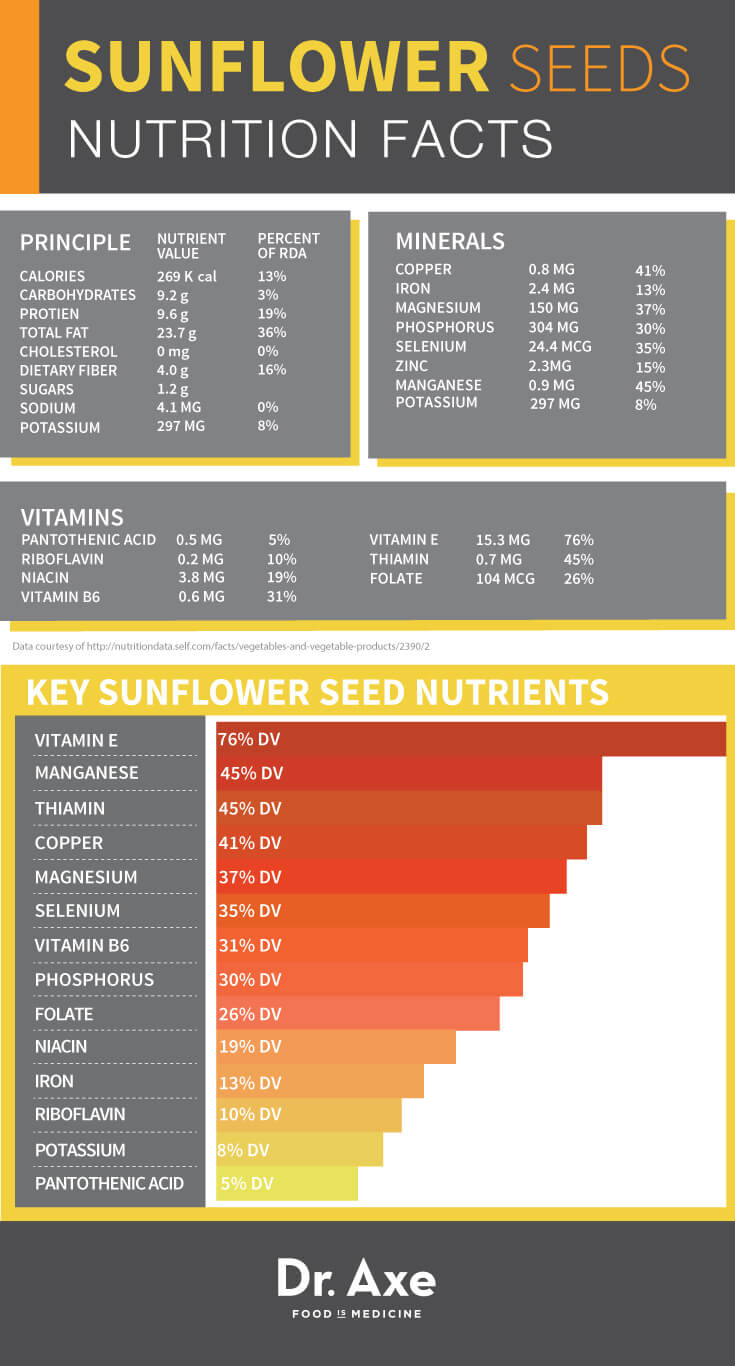
What is the nutritional breakdown of sunflower seeds?

SunflowerSeeds-Nutrition

Can sunflower seeds help improve my health?

As well as helping maintain your body, sunflower seeds are are most highly correlated with boosting cardiovascular health thanks to their ability to reduce “bad” LDL cholesterol and to prevent hypertension.

Since they also contain minerals like magnesium and selenium, you may also find they help with ‘growing pains’, leg cramps, and tension headaches.

Vitamin E is a powerful antioxidant that helps to reduce inflammation throughout the body. This makes it popular for warding against everything from heart disease, to helping with IBS, or with chronic inflammation as the result of multiple allergies / intolerances.

What are easy ways to include sunflower seeds in my diet?

You could buy them coated in chocolate or dusted in flavourings (like sour cream and chives) but that’s off-setting their health benefits with other calories and additives! Here are some healthier (and still easy!) ways to eat sunflower seeds:

Easy Carrot Cake

Best Ever Carrot Cake

Chelsea Sugar’s Best Ever Carrot Cake

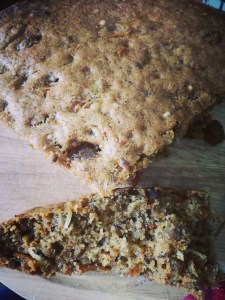
Carrot cake is a delicious winter cake. It’s a great way to use up those extra carrots (while they’re cheap and plentiful) and get some warmly sweet spiced cake into lunchboxes or afternoon tea. My inspiration for the recipe is this Best Ever Carrot Cake which I’ve amended to add in some different micro-nutrients; also, swapping from nuts to seeds makes it suitable for childcare and schools with no-nut policies.

Carrot cake with seeds and ancient grains

Delicious carrot cake with seeds and ancient grains.

Ingredients

  • 1 1/2 cup plain flour
  • 1 tsp baking powder
  • 1 tsp baking soda
  • 1 1/2 tsp ground cinnamon
  • 1/2 tsp ground ginger
  • pinch Allspice
  • 3/4 cup brown sugar or raw coconut sugar
  • 200g grated carrot
  • ½ cup sultanas or raisins
  • 2 tsp ground chia seeds
  • 3 – 4 Tbsp Hubbards Seeds and Ancient Grains Toppers
    • or, a mix (as desired) of coconut thread, linseed, pumpkin seeds, sunflower seeds, buckwheat, puffed quinoa.
  • 3 large eggs
  • 1 cup rice bran oil or canola oil
  • 1 tsp vanilla essence

Allergies: dairy free, soy free, nut free.

Directions

  1. Pre-heat oven to 180°C bake (160°C fan-forced). Grease a 23cm cake tin (6cm deep) and line with baking paper.
  2. Sift all of the dry ingredients into a mixing bowl.
  3. Add carrot, sultanas, ground chia seeds, and coconut + seed mix and stir until combined.
  4. In a separate bowl, whisk eggs, oil and vanilla.
  5. Make a well in the dry ingredients and pour liquid ingredients into the dry ingredients. Mix until just combined.
  6. Pour the cake mixture into the prepared tin and smooth the surface. Bake for 40-50 minutes or until cooked (when a skewer inserted into the centre of the cake comes out clean). Remove from oven, cool for 10 minutes then remove from the cake tin and peel away the paper.
  7. Optional: make cream cheese icing to decorate.


Cream Cheese Icing

  • 50g butter, softened
  • 125g cream cheese, chopped
  • 1½ cups Icing Sugar

Cream Cheese Icing
Beat butter and cream cheese together until combined. Stir in Chelsea Icing Sugar, then beat mixture on high speed until light and fluffy.

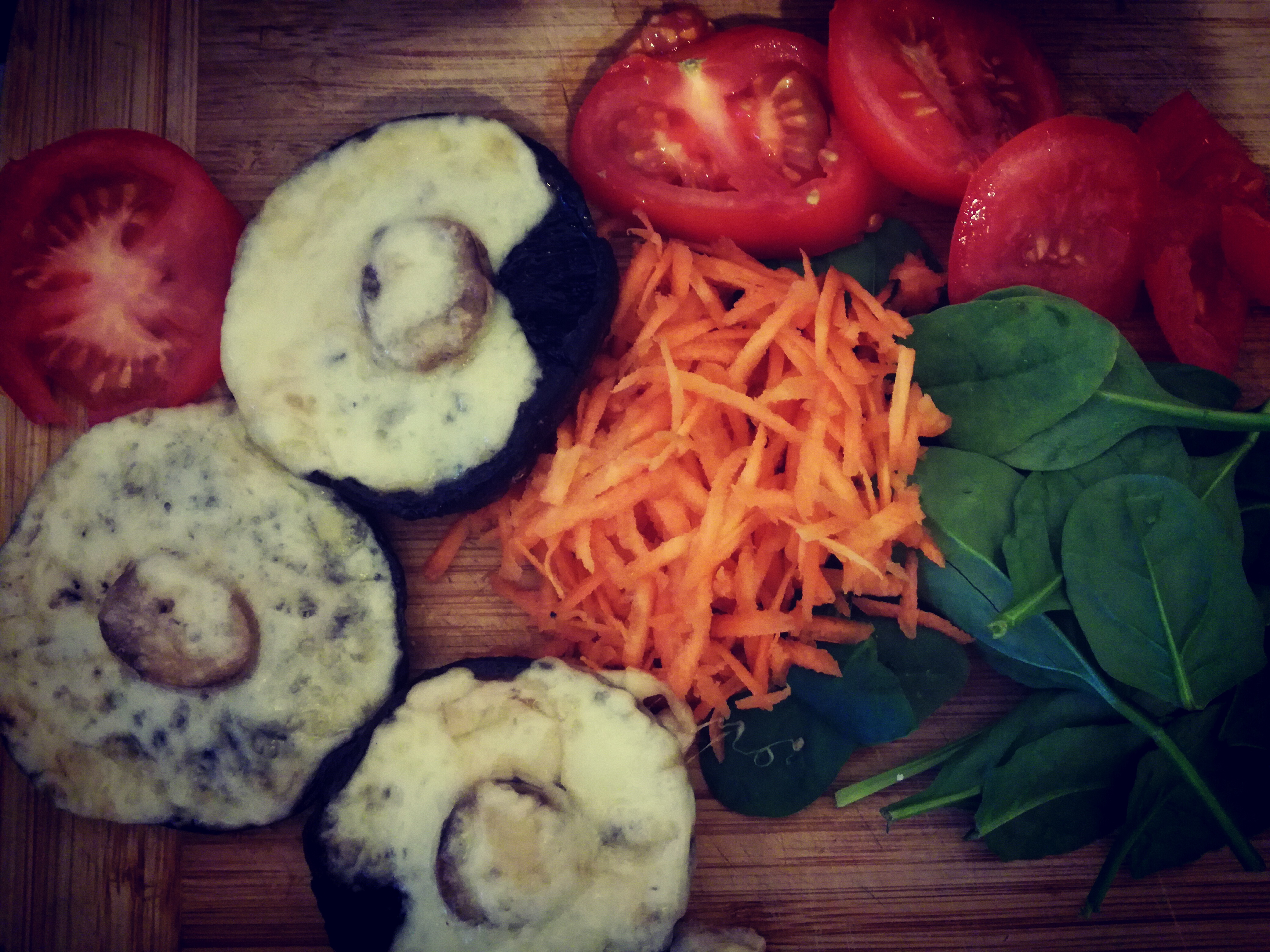
Mushroom melt burgers

Mushroom melt burgers

Mushroom melt burgers

Grilled mushrooms with melted cheese make a quick and easy vegetarian meal.

Ingredients

  • Portobello mushrooms (or similar big fleshy mushrooms)
  • Piquant easy-melt cheese (like goat cheese or blue cheese)
  • Fresh salad ingredients (like sliced tomato, grated carrot, baby spinach, lettuce, sliced beetroot, watercress, mungbeans, sliced cucumber).
  • Hamburger bun, brioche bun, gluten-free wrap or bun.

Cheese

If goat cheese seems too…well, goaty, consider a goat-buffalo cheese blend. Similarly, if blue cheese seems too strong consider a creamy mild blue cheese. Alternatively, use a strong tasty or colby cheese + grated parmesan and mozzarella!

For dairy free / soy free / vegan cheese consider: Daiya or Angel Food

Burger buns

If allergies aren’t an issue, there a range of burger buns to choose from, or go up-scale and use a brioche bun. For gluten-free (or soy free) then you may want to use a gluten free bun or wrap. You can also skip the bun (and substitute rice or beans) and tell your child (or yourself) that you’re simply having a super fancy ‘deconstructed’ burger.

Allergies: gluten free*, dairy free*, soy free, egg free, nut free.

Directions

  1. Prepare your salad ingredients.
  2. Grill the mushrooms and cheese.
  3. Assemble your burger. Add dressings (like sauces and mustard) if desired.