Home Science: Making Magic Molecules

These colour changing molecules can be changed from indigo to brilliant blue or bright pink with a few simple experiments!

Pigments are molecules that contain colour and the ones in red cabbage juice ( anthocyanin ) are pretty special. By adding a base or acid, we can both change their shape and their colour! The pigments are easy to collect and the basis for two easy home experiments: Colour Changing Magic Potions and Making Litmus Paper.

Materials

  • 1/2 red cabbage
  • Hot water
  • A food processor (or a big pot)
  • Bowl
  • Fine colander or flour sieve
Simply blending the red cabbage in boiling water produces amazing bubbles!

Directions

  1. Shred or coarsely chop the red cabbage.
  2. You can then choose whether to boil or blend. I chose blending and it’s meant to result in slightly better colour.
    • Boil: Pop in a pot with enough water to cover the cabbage and boil for 15 minutes.
    • Blend: Pop in a food processor with about 3 cups of boiling / hot water. Blend until the cabbage is finely processed and then leave to soak for 15 minutes.
  3. Allow the cabbage mixture to cool and then strain the juice into a bowl. Tip: The juice will stain so glass is great if you have it. I used a flour sieve to strain mine into a glass pyrex jug.

You now have the cabbage juice you need for your two science experiments!

Added Extras

You can also freeze leftover juice in ice cube trays to make all natural coloured icing for birthday cakes or cupcakes!

Caramel Crunch Cookies

Caramel Crunch Cookies

These delicious crunchy cookies are also a great opportunity to discuss science in the kitchen! STEM discussion points follow after the recipe 🙂

Ingredients

  • 125 butter
  • 1/2 brown sugar
  • 1 Tbsp maple syrup or golden syrup
  • 1 Tbsp milk
  • 1 1/2 cups plain flour
  • 1 tsp baking soda

Allergies: soy free, egg free, nut free.

Directions

  1. Start the oven preheating to 180’C / 350’F.
  2. Have a grown up mix the butter, sugar, maple syrup, and milk in a pot. Heat until the butter is melted and the mixture is almost boiling – you’ll be able to see the surface tension change as it begins to think about bubbling. Make sure that you stir constantly so that it doesn’t stick or burn.
  3. Remove from heat and allow the caramel to cool to lukewarm.
  4. Sift the flour and baking soda into the pot and mix into the caramel.
  5. Stir well and it will turn into a caramel coloured cookie dough.
  6. Roll the cookie dough into balls and flatten on a baking tray (either greased or lined with baking paper).
  7. Bake for 10-15 mins or until golden brown.

Science in the Kitchen (STEM)

  1. Gravity & Weight: When you’re using kitchen scales to measure out the butter, take a few moments to talk about why things have weight and why we weigh them. That butter would weigh about 20g on the Moon and about 315g on Jupiter.
  2. Solids, Liquids, Gas: It’s a good idea to have a grown up do the stirring with the caramel mixture as it gets very hot; keep young helpers interested by helping them to safely view the way the ingredients change. Ask them if the butter and sugar going into the pot are liquids or solids (the latter); then show them what happens when heat is applied (becomes liquid); as the mixture cools and is combined with the flour it’s state changes again (solid).
  3. Gassy Bubbles: Ask young helpers what’s different about the ingredients in this recipe. The answer is that it uses baking soda rather than baking soda. The baking soda causes small carbon dioxide gas bubbles in the cookie mix causing it to rise when it goes into the hot oven. Tip: Get the cookies in the oven quickly as the longer the mix is left at room temperature, the less the cookies will rise.
  4. Sweet Surprise: A great way to see baking soda in action is to make a candy version of these cookies. Have a go at making Hokey Pokey!

Apple Cake

Apple Cake

Apple Cake

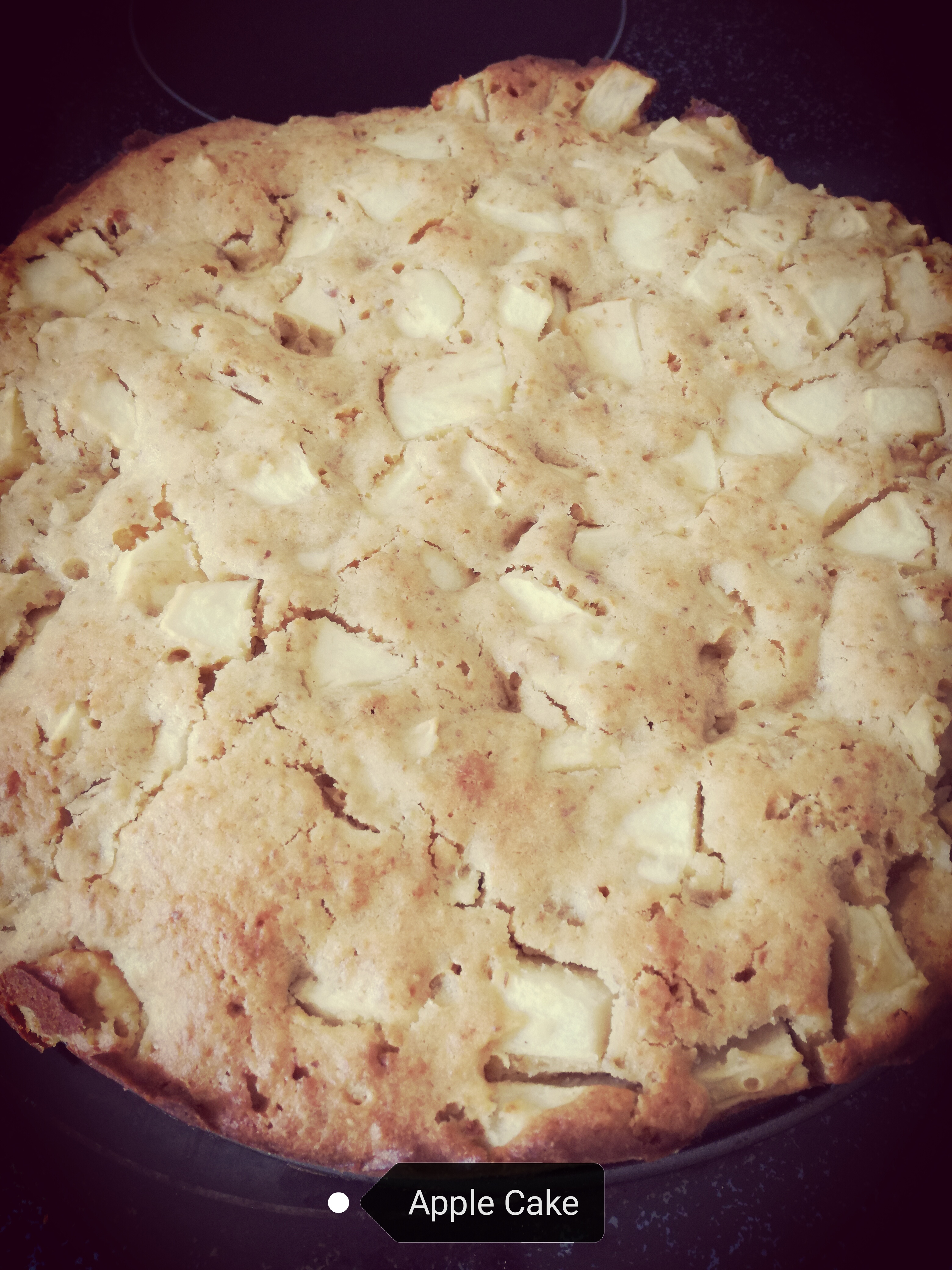
Miss 4 and I have been reading a series of picture books, the latest of which is “The Wolf who visited the land of Fairy Tales.” The wolf goes on a quest to collect a recipe and ingredients to make apple cake. The book has a recipe at the back which inspired me to invent our own version; it has more protein and added micro-nutrients than a traditional recipe. This is a light thin apple cake that reminds me a little of  Tarte Tatin.

If you have young children, this is great for school lunches. Alternatively, read the book during the school holidays (or anything that features baking, ‘Little Red Riding Hood’ would work just as well) and then tie in the real world application with the story. Add in some dress-ups for acting out the story and that’s your morning filled!

Apple Cake

Ingredients

  • 1/2 cup Nuttelex (or dairy-free spread, or butter)
  • 1/2 cup sugar
  • 3 fresh eggs, lightly beaten
  • 1 tsp baking powder
  • 1 cup flour, sifted
  • 1/4 cup wheat germ
  • 1 Tbsp ground linseed
  • 1/4 tsp ground cinnamon
  • 1 tsp finely diced fresh ginger
  • 1/4 cup rice milk (or alternative)
  • 3 large apples, peeled and diced into small pieces.


Directions

  1. Preheat the oven to 180’C / 350’F. Grease the sides and bottom of a round cake tin.
  2. Cream the Nuttelex (or butter) and sugar. Add the beaten eggs and mix.
  3. Gently fold in the baking powder, flour, wheat germ, ground linseed, and ground cinnamon.
  4. Gently stir in the apple pieces and fresh ginger.
  5. Stir in a little rice milk until the batter is smooth.
  6. Pour the batter into the cake pan and bake for 40 mins.


Alternatives

You can change the flavour profile in a variety of ways:

  • Add a splash of freshly squeezed lemon or orange juice.
  • Switch fresh ginger for ground ginger for a milder ginger flavour.
  • Increase the cinnamon to 1 tsp and add 1/4 tsp all spice + pinch nutmeg.

If your child is adverse to the apple being in chunks, consider experimenting with stewed apple or apple sauce. Keep an eye on your dry/wet ratios as this will have an impact.

Making Christmas Cards & Decorating Christmas Trees with Children

Christmas Tree Cards

Decorating Christmas Trees

Christmas Crafts for kids

I posted recently about making our own Christmas Crackers (bonbons). I also like making our own Christmas cards. It’s nice because it’s an activity in itself and you can theme it around your children’s skills / ages. Christmas stickers or stamps are good way place to start with toddlers; or save their paintings through the year and turn those into cards!

Christmas Tree cards

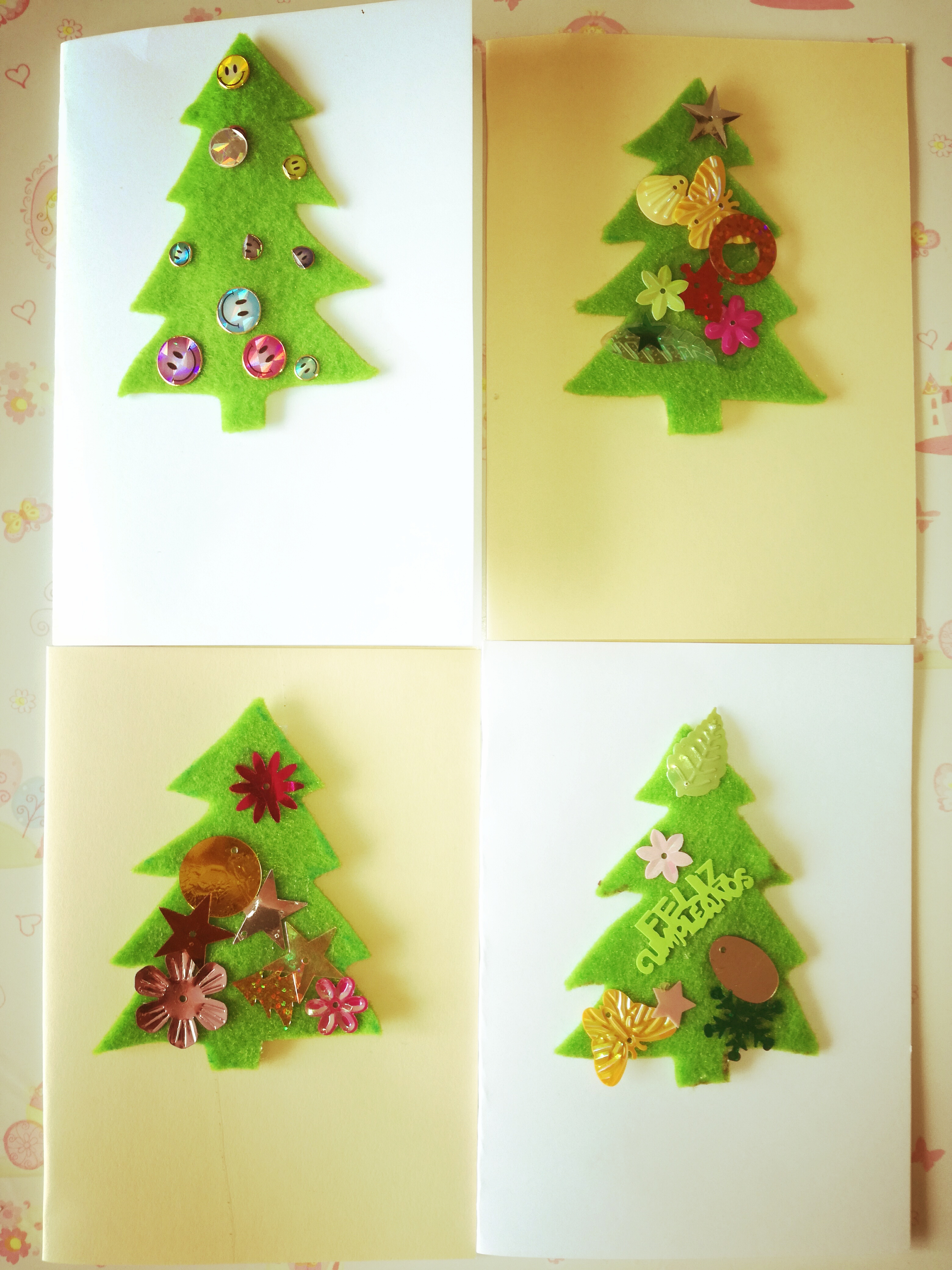
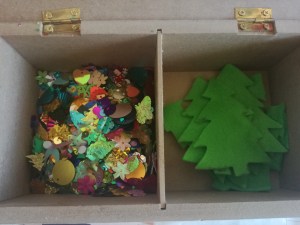
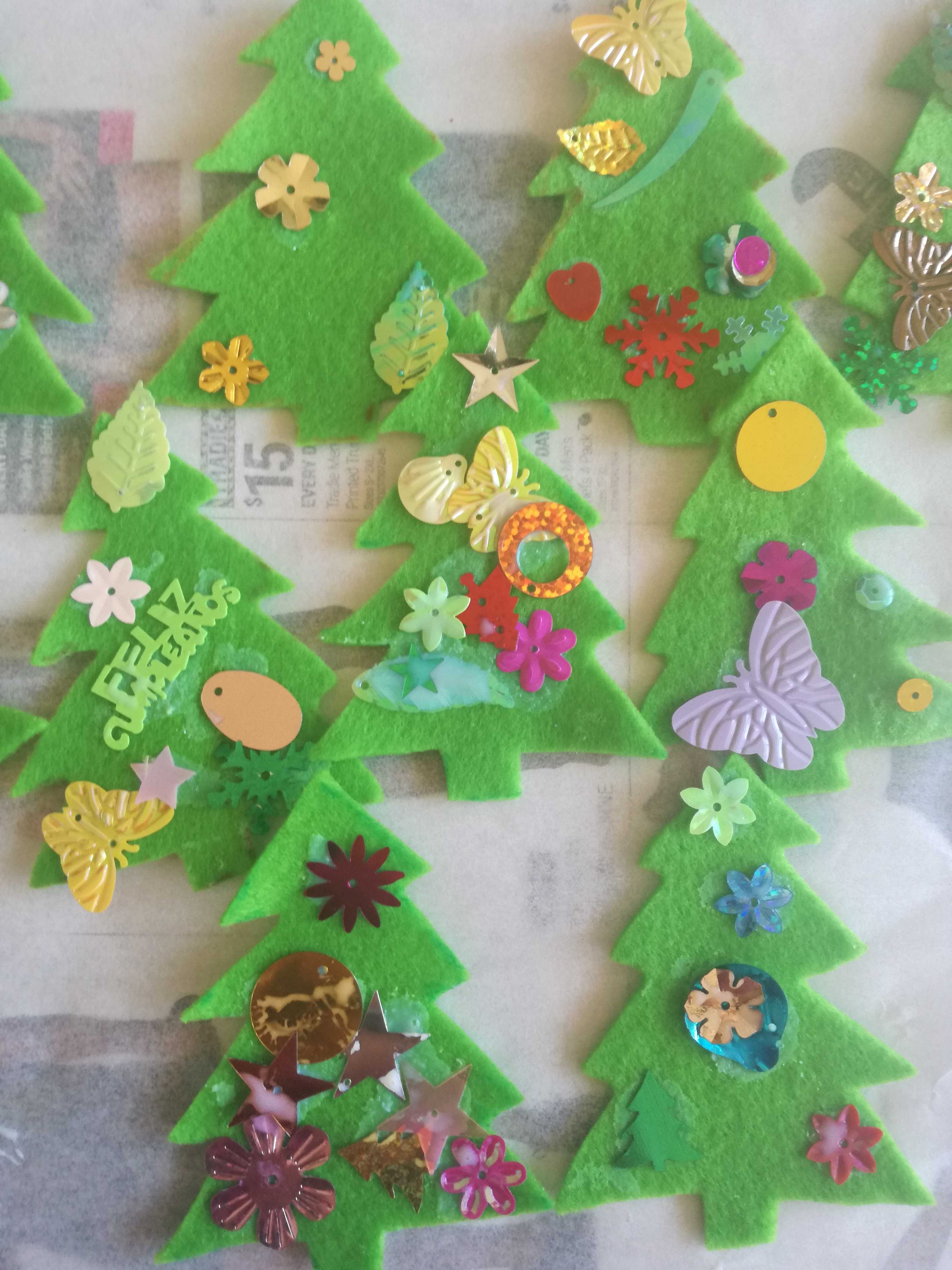
This year, I decided to print a Christmas tree template and trace around it on a sheet of green felt. I also picked up a shiny bag of beautiful decorations that included everything from stars, to shells, to butterflies, to Christmas greetings. I wanted to make Christmas tree cards that would let Miss 3 be creative and feel involved.

Christmas Tree cards

Christmas trees and decorations

Ingredients

  • Green felt
  • Stickers / glitter / craft shapes
  • Card stock / paper
  • Scissors
  • Craft Glue / P.V.A. / glue gun
  • Blu-tak
  • Baking paper
  • Double sided sticky foam squares (like for scrapbooking)

Directions

  1. Create a Christmas tree template on paper / cardboard. Trace around it on green felt and cut out all of the trees that you need. (An adult will need to do this for toddlers / preschoolers; older children may be able to do all of the steps themselves).
  2. Blu-tak the felt onto a large sheet of baking paper. This helps keep them in place while busy little hands decorate them and also raises them off the paper a little in case the glue soaks through.
  3. Glue the decorations onto the trees. Craft glue will need to set over night, whereas a glue gun has the advantage of setting almost immediately.
  4. Make plain cards by folding the card stock / paper. Once the glue is dry, use the double sided sticky foam squares to attach the trees to the cards. These have a nice effect as they raise the tree slightly and make the cards look a bit prettier but you can just as easily glue the trees on if you wish.
  5. Ta da! Now you have a beautiful collection of cards and each one is unique.

Decorating Christmas Trees

Decorations on Christmas Trees


Making Christmas Crackers (Bonbons)

How to make Christmas Crackers (Bonbons)

I posted last year about how easy it is to make your own Christmas Crackers (bonbons). I love that personalizing them means that you have full creative license to create different themes each year. Last year, we did a Christmas theme for the visual aesthetic and I hand decorated wooden beads (my daughter still has them!). This year I thought I would celebrate New Zealand’s summer with an ocean theme.

Ingredients 

  • Cracker snaps
  • Cardboard tubes (inner tubes from paper towels are perfect,  just cut in half).
  • Your choice of cracker filling.
  • Blue crepe paper
  • Shells
  • Twine
  • Sellotape
  • Scissors
  • Super glue (or glue gun)

Note: Davids Emporium  sells cracker snaps for 30 cents each just ask at the sales counter.

For the inside, I did little plastic bags containing: Christmas joke, stickers, and a miniature Christmas cookie / Christmas pudding etc. These will inevitably get gifted to the dollhouse 🙂  They are adorable and were a wonderful find in the button / crafts section, again at  Davids Emporium.

Directions

  1. Take a cracker snap and place it inside in your tube (it should stick out each end with a comfortable amount to pull on). Lightly sellotape it at each end to hold in place.
  2. Assemble your cracker filling and slide it into the tube. I put mine in a tiny sealed plastic bag.
  3. Roll the tube in crepe paper and tie at each end with twine;  make sure that you have enough paper at each end to cover the cracker snap that is sticking out & to comfortably pull it.  Super glue (or glue gun) on the sea shells.

How to make an easy and cheap instrument at playgroup (Musical Maracas)

Making musical maracas

Making musical maracas

Making musical maracas

Making musical maracas

What you need

  • Paper plates (small).
  • Felts, crayons, paint, stickers etc.
  • Wooden beads, sea shells, bells etc.
  • Stapler.

Directions

  1. Help your children to decorate the outside of the plates (don’t forget to write their names on!).
  2. Fold the plate in half (like an empanada) and staple along the edges. Leave a gap at the top.
  3. Hold it upright with the gap at the top. Help your children to drop beads, bells, shells etc. inside their musical instrument; one big toddler sized handful will be about enough.
  4. Staple up the gap, put on some music, and shake!

Note: This is a great activity to do on a rainy day or with a playgroup. For younger toddlers choose larger items to put inside and play with under supervision only; i.e. keep choking hazards in mind.

How to save money and freshen clothes naturally! Pre-soaking laundry using baking soda.

Replace chemical cleaners with a natural and cheap laundry soaking solution!

Replace chemical cleaners with a natural and cheap laundry soaking solution!

Miss 2 has really sensitive skin (and eczema) which means that I’ve needed to look around for non-chemical options for the laundry pre-soak bucket. Funnily enough, sometimes it’s the mid-range brands of ‘Oxygenated Whiteners’ or ‘Nappy Soakers’, which claim to be environmentally friendly and ‘natural’, which cause her to react more. Of course they’re still packed with chemicals and I know it’s just a marketing ploy but it’s easy to want to believe them!

Turns out all I needed was a 1/2 cup baking soda (bicarbonate of soda) dissolved in warm water (a couple of litres half fills my soak bucket). It helps to freshen and soak laundry (and keep it smell free) before it goes in the washing machine.

Tip: Rinse laundry first and handscrub any stubborn stains. Create a paste using four tablespoons of baking soda and ¼ cup of water. After working the paste thoroughly into the stains, apply a little undiluted vinegar.

Tip: Don’t add white vinegar to the soak bucket. Baking soda (base) + white vinegar (acid) will largely cancel each other out and reduce effectiveness. Instead, add white vinegar during the rinse cycle (instead of fabric softener or an anti-bacterial agent) and line dry in the sun if you can.  Vinegar will help to soften hard water, reduce odours, and reduce bugs. Sunlight will also help (especially if you’re washing cloth nappies!)

Winter Crafts: Painting Leaves

A wonderful winter activity can be going for a walk through the woods or local park and talking about how the trees change with the seasons (and how some don’t!).

Collect some leaves and pine cones on your walk and take them home to dry.

Tip: Putting then on newspaper or a towel in the hot water cupboard works well.

Once the leaves are dry they make a wonderful canvas for painting. Again, they dry well in the hot water cupboard and can be hung up for a few days as decorations.

Tip: You could try spraying them with varnish to help them last longer.

Making playdough insects (portable playgroup fun!)

Playdough and straw caterpillar

Making playdough insects

Why not spend a rainy afternoon making homemade playdough and designing your own insects (or animals, or monsters!). It’s a cheap activity that’s also easily transportable to playgroup. Younger toddlers will have fun pushing the legs in and pulling them out again; preschoolers will have fun making their designs happen. Think about putting out some library picture books to help give them ideas!

What you 

  • Playdough (try making your own!)
  • Straws
  • Scissors
  • Knife (bamboo or wooden ones are great!)
  • Optional: Googly eyes (from craft stores)

How to make easy bracelets and crowns for kids

How to make easy bracelets and crowns for kids

How to make easy bracelets and crowns for kids

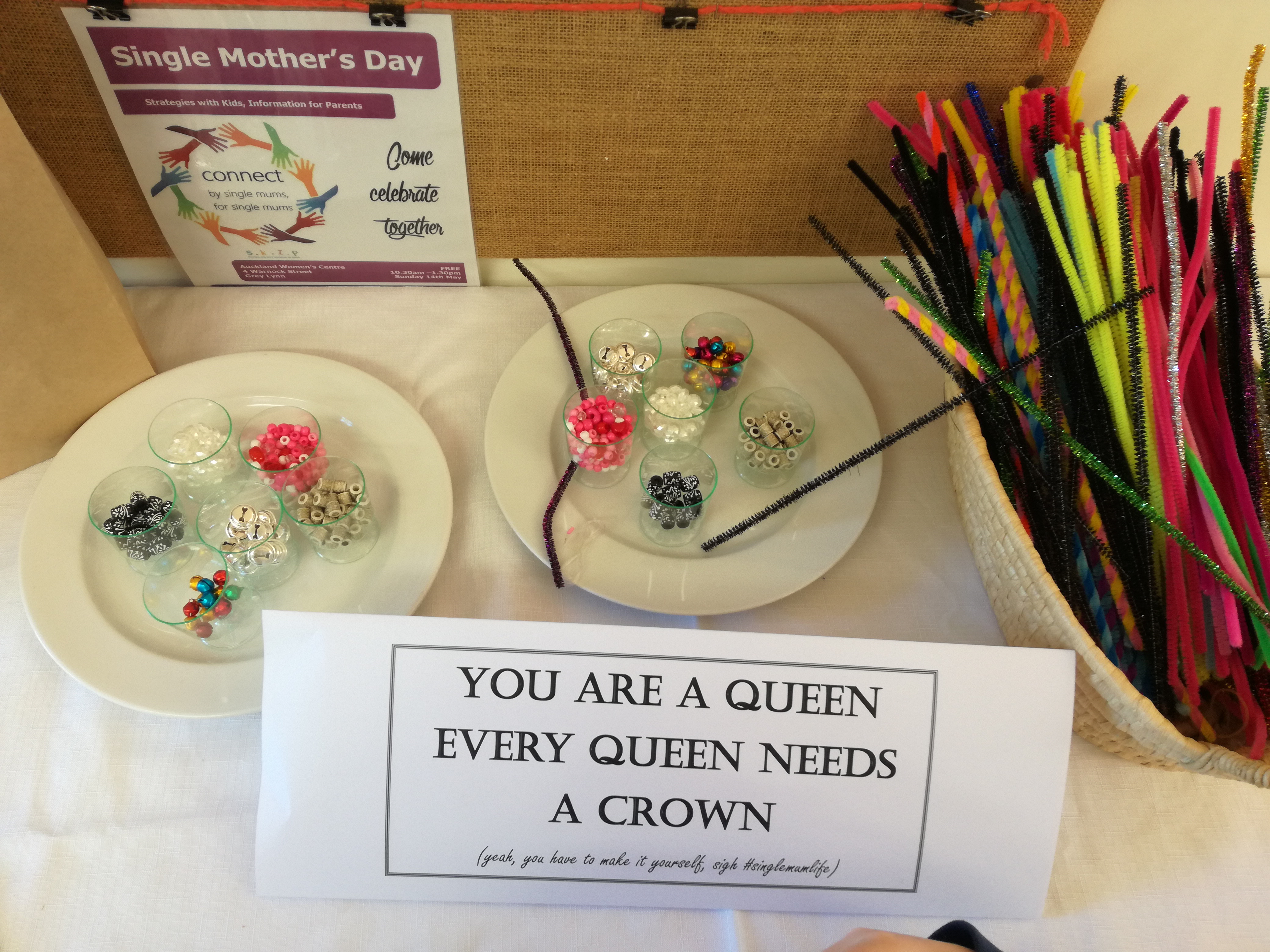
Kids are so wonderfully creative! There are lots of kit-sets for crafts at toy stores but it’s often much cheaper to visit a craft store or emporium.

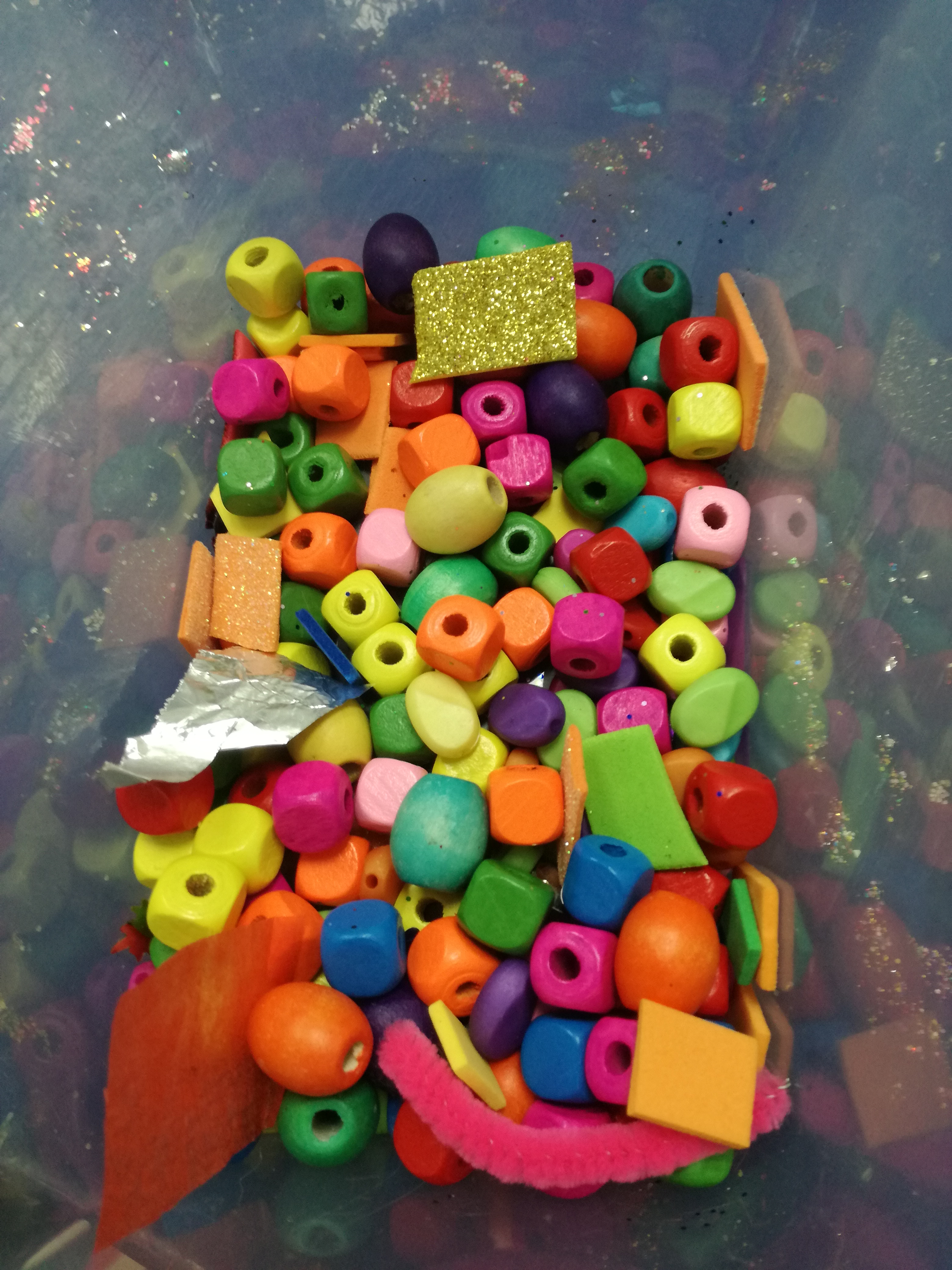
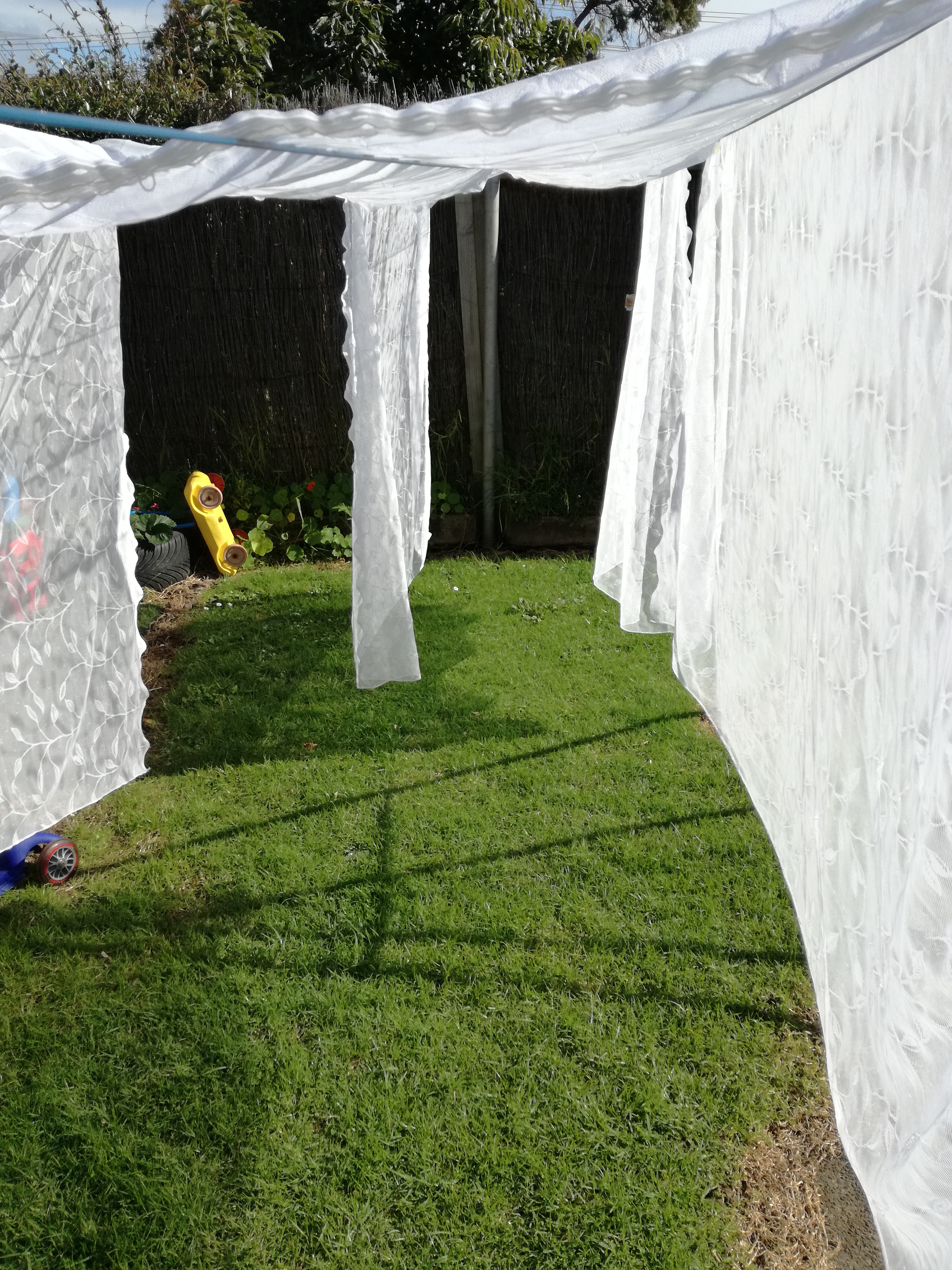
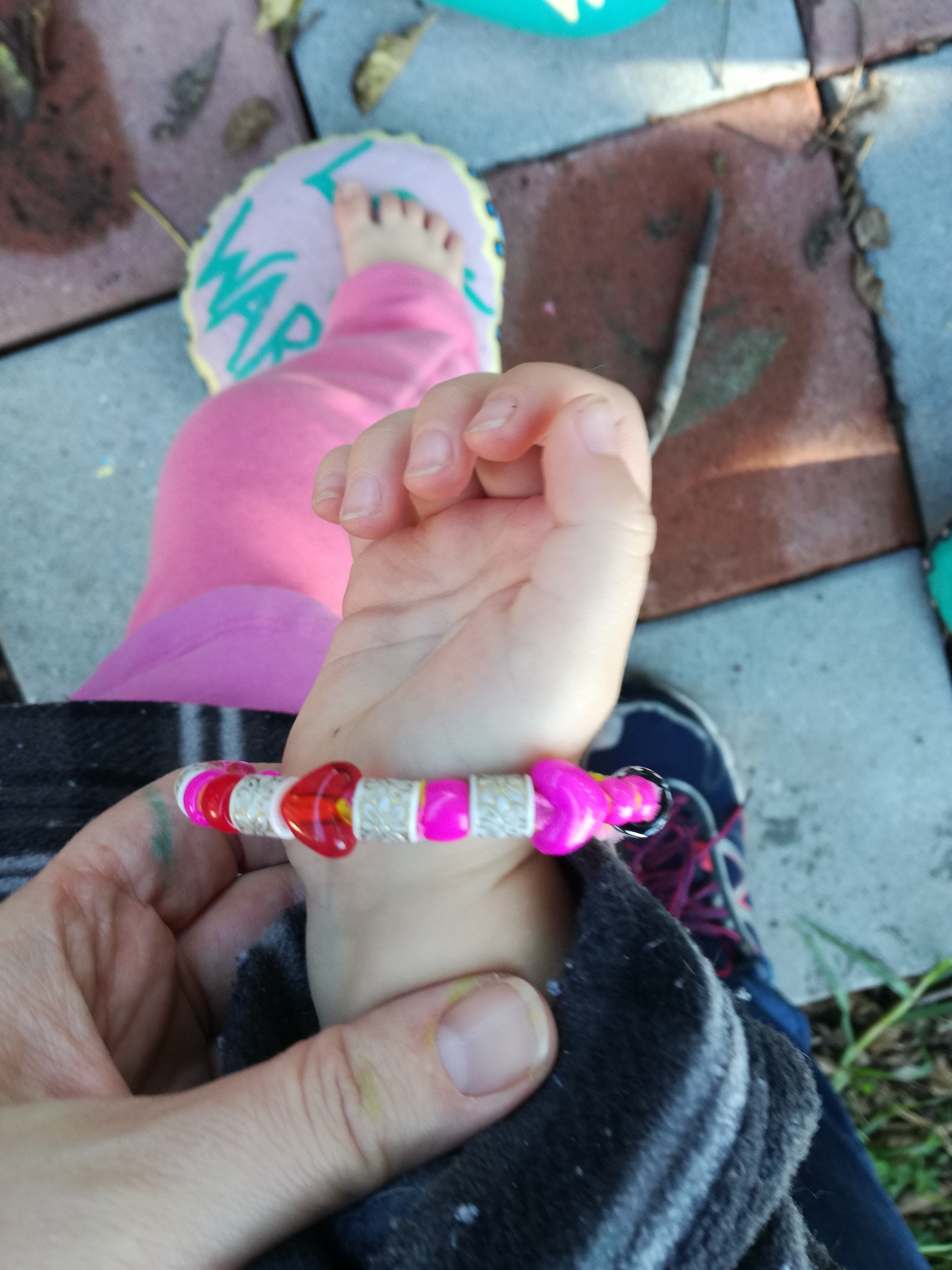
All you need to make a crown, necklace, or bracelet is some pretty pipe cleaners, beads, and imagination! They’re a great activity for birthday parties, playgroups, and rainy days.

Fun things to do with beads!

Fun things to do with beads!

Make sure that you choose beads (or bells) with large enough holes for the pipe cleaners to feed through. Younger kids will need active supervision and assistance but by 4 years they’ll be shaking you off 🙂 You’ll also find they start coming up with their own ideas like making swords or funny glasses or monster crowns!

Warning: This isn’t suitable for babies and young toddlers due to small parts and choking hazards. Make sure young children are old enough to follow instructions and will not put beads in their mouths.