KiwiCo Review: Kiwi Crate for 5-8 year olds – THE HUMAN BODY

WHAT IS IN THE AMAZING ANATOMY BOX?

This is a fabulous hands on box for learning about the human body! There is a giant wall poster that shows multiple systems including: skeletal, nervous, digestive, and muscular.

Make your own x-ray of a broken bone
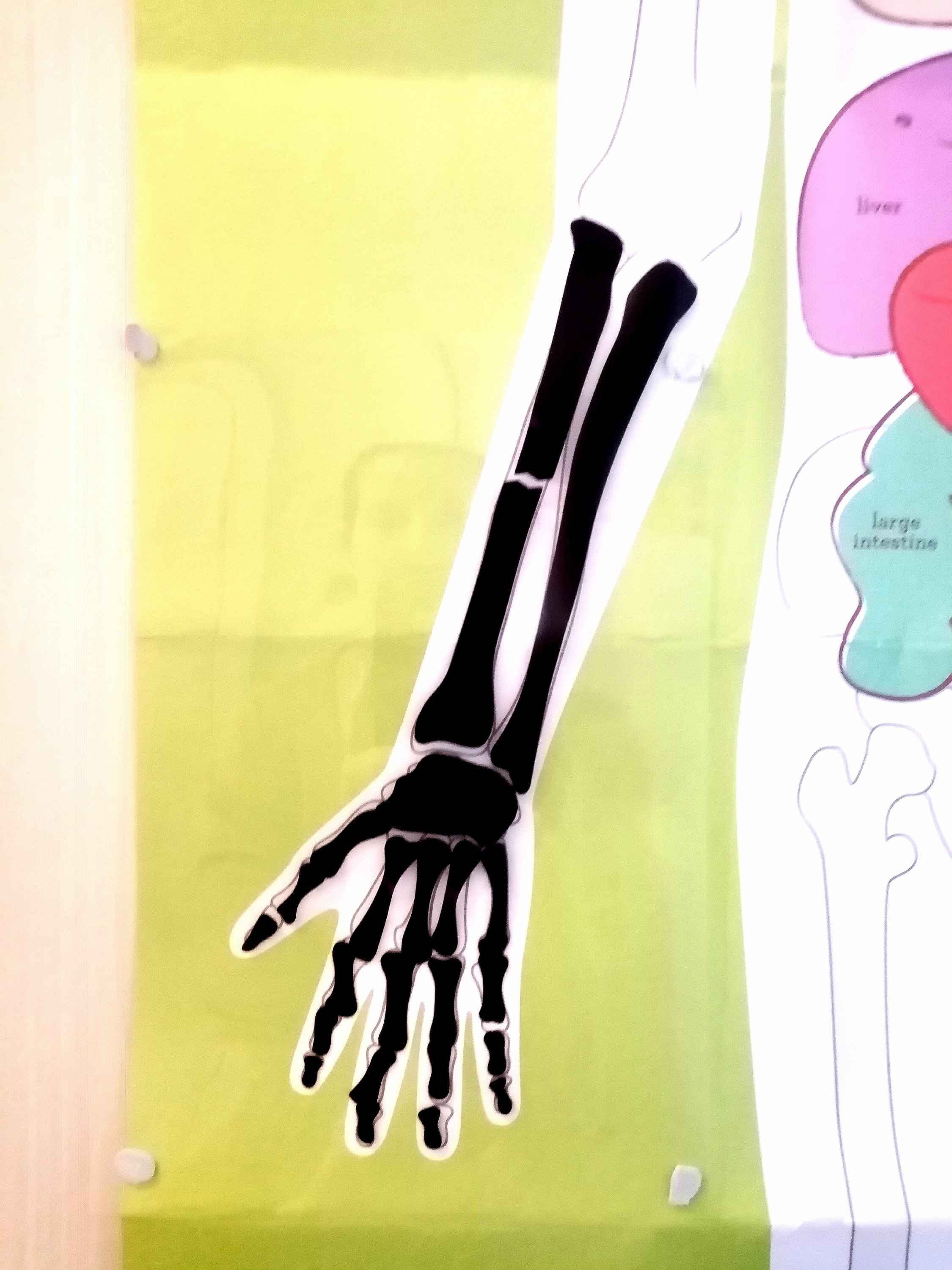
We loved the ‘magic paper’ that allowed us to explore the skeletal system and make our own x-ray of a broken bone. We started with a clear sheet of plastic that we blu-tak’d to the poster and then carefully applied bones to create the hand and forearm (ulna and radius). We put the sheet of plastic on top of the ‘magic paper’ and placed it in bright sunlight; later (in a dark room), we removed the plastic and admired our x-ray of a break in the radius. Note: There are a range of bones that you can choose from and they can be removed easily so that you can try more projects.

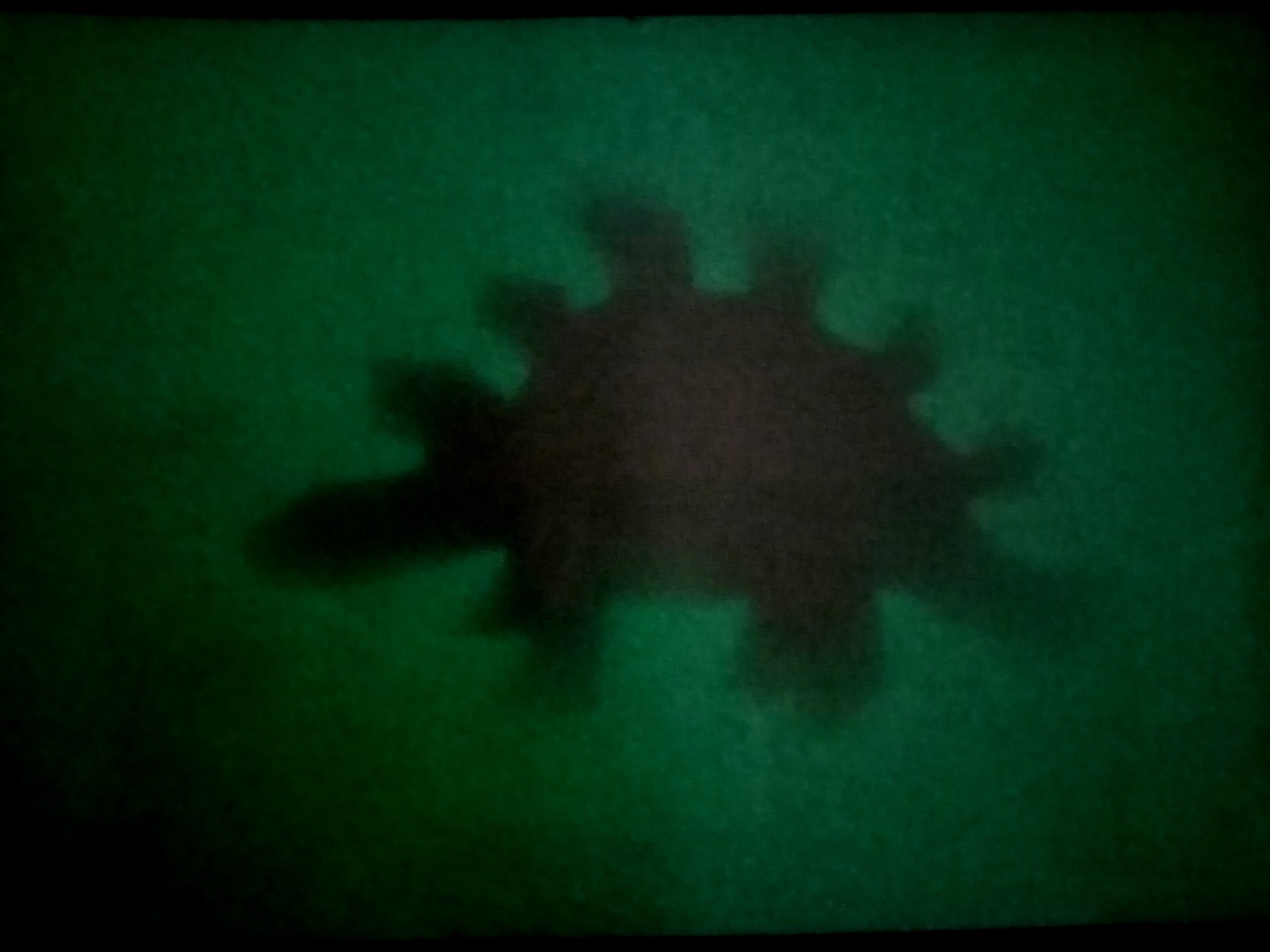
Tip: You can also use the magic paper to create your own experiments! We used black paper to create a Stegosaurus silhouette and thus created our very own dinosaur magic trick!

Make your own stethoscope

Provided in the kit were the materials to make our own stethoscope – it really works for listening to a heartbeat! It also comes with a fun double-sided wipe-clean examination sheet so that kids can play doctor.

Make your own plush organs
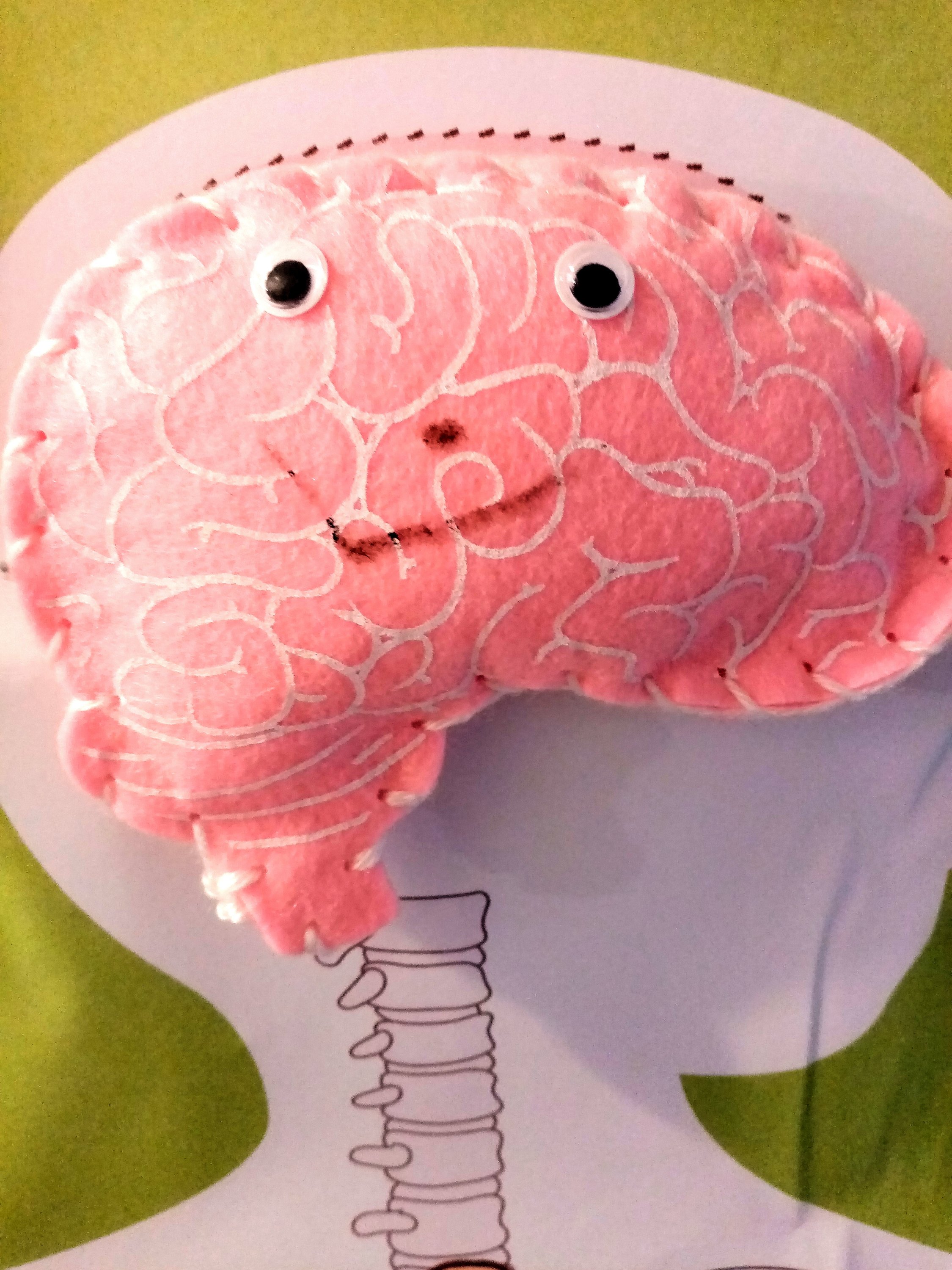
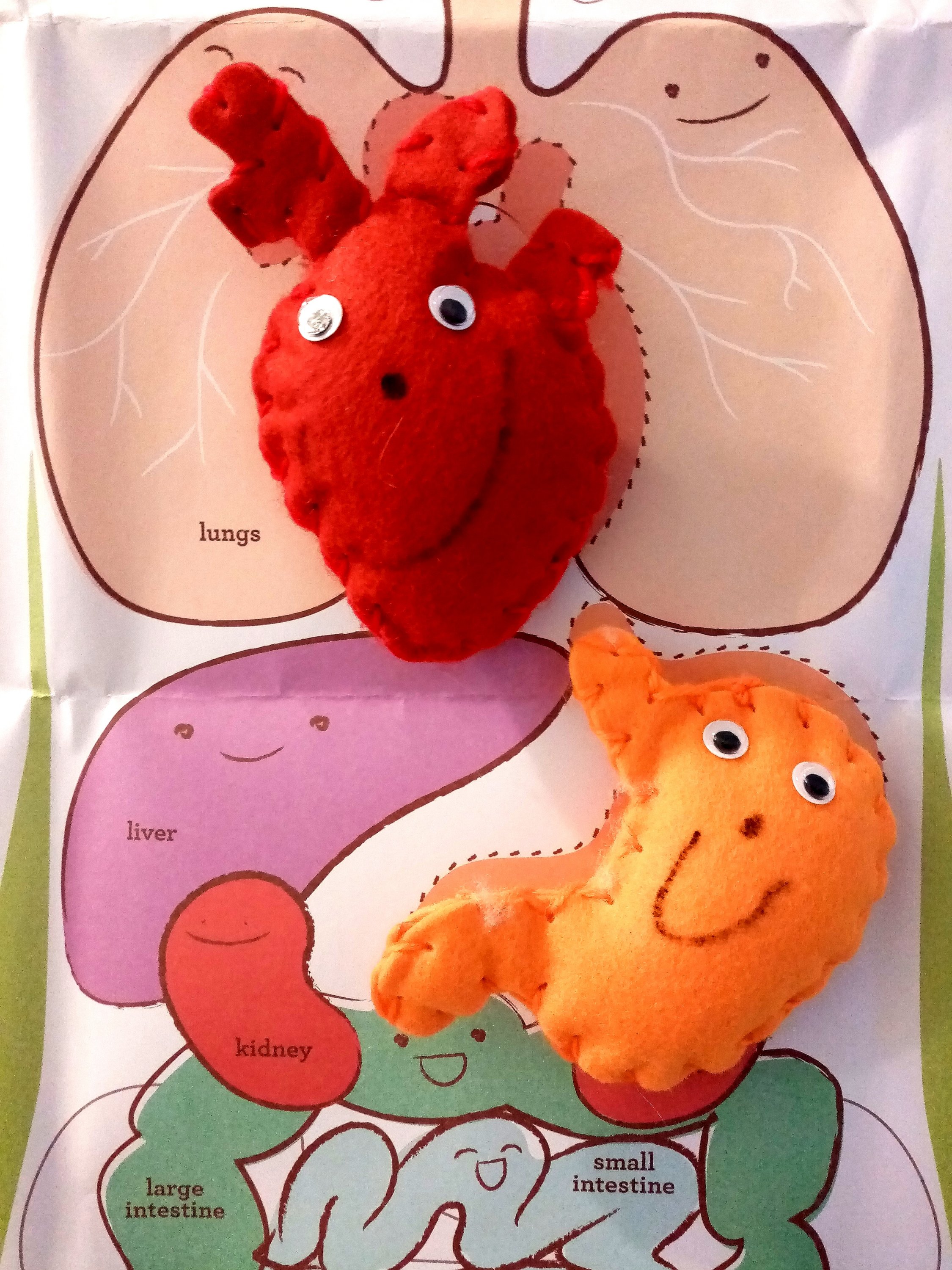
The art project for the box means you can make your own super cute plush organs (brain, heart, and stomach). The felt comes with pre-pierced holes which makes threading easier for children.

Want more ideas for learning about the human body?

The Explore magazine in the kit gives some craft ideas that you can do at home. We’ve used various resources such as an ExperiSenseNZ Human Body learning kit, Factivity: Amazing Body Sticker Activity BookWrite & Wipe Wellbeing Book, and a poseable art mannequin for exploring movements and joints.

HOW DO I ORDER KIWI CRATE?

This is not a paid review. I spent a lot of time searching the internet to find out more information about the Kiwi Crate and Atlas Crate boxes before deciding to try them and found the blog posts / photos that people shared were really useful!

If you would like to try Kiwi Crate (or one of their other lines), you can receive 50% off your first box by clicking here.

What I like about the Kiwi Crate kits is that they use a combination of Science, Technology, Engineering, Arts, and Mathematics to explore a concept or idea. There’s no obligation to sign-up in an on-going capacity so it’s easy to tie them in with birthdays / Christmas; the boxes are quite compact so they also store easily in a cupboard for bringing them out on a rainy day. Mind you, this only works if you spot the package on the door-step first – children become quite adept at recognising the green Kiwi Crate box and screaming with delight at it’s arrival!

The boxes are sent randomly so there’s no way to know what will come in the future; however, you can log-in to your account at the start of each month to see what box has been selected. Your box history is kept which means that even if you cancel and then pick-up again the following year they can make sure that you aren’t sent repeats of boxes.

WHAT IS IN A KIWI CRATE?

The Kiwi Crate is aimed at ages 5-8 years. It comes with a copy of the Explore magazine which opens with a fun comic about Steve the Kiwi and his friends. [As a side note, these are made by an American company despite the use of our New Zealand native bird]. These comics are really approachable for younger kids and a great way of exploring the concepts being introduced in a relateable manner.

The Explore magazine provides a range of information on the topic, it might include some simple games or tricks to try at home, and provide ideas for additional crafts / activities using simple materials. It also has a sticker [unique to each box theme] to put on your Kiwi Crate chart.

The box also includes an instruction manual and the materials that you need to build the main craft. Generally, there are two activities to do – one that is more art related, and one that is more mechanical engineering. What makes the kits special, is how well crafted the engineering components are. They really are designed for the intended age group so that they can either build themselves or help assist an adult. There are handy visual images and checkpoints to make sure that things are aligned correctly. There is no super-bonding-fingers-together wood glue to use with these projects (which makes them great for highly sensory children); instead parts come with double sided tape finely engineered on so that you just need to remove the backing strip of paper.

INTERESTED IN MORE HOMESCHOOL BOX REVIEWS?

Discover the World with ATLAS Crate

#1 Introducing the World

#2 Discover Japan

#3 Discover France

Explore STEM with Kiwi Crate

#1 Arcade Box (and the Claw!)

#2 The Amazing Animation Box (make your own 19th century movie with a Zoetrope!)

#3 The Mechanical Sweeper Box (make your own baleen whale!)

#4 The Disc Launchers Box (play games with physics!)

#5 Kaleidoscope Puzzles (explore symmetry and mirrors!)

ExperisenseNZ

Exploring Maths through Art

Exploring Space through Art

Exploring the Human Body through Art

Exploring Spring: Flower Press and Life Cycles

Exploring Science through Experiments

ExperiSense NZ Review: Exploring The Human Body Through Art Homeschool Box

WHAT IS IN THE EXPERISENSE NZ BIOLOGY HOMESCHOOL BOX?

I purchased the ExperiSense NZ Biology Box for NZD$25 to add a kinaesthetic dimension to our learning about the human body. The box provides fun learning crafts to do that are fully aligned with the NZ Curriculum and are highly adaptable to age, interest, and special needs.

The kit comes with a great book and ideas for ways to explore the content in the book (including most of the craft materials required). We added to it with a few great (and inexpensive) additions from Kmart: Factivity: Amazing Body Sticker Activity Book, Write & Wipe Wellbeing Book, and a poseable art mannequin for exploring movements and joints.

This is a great way for kids to ask questions like ‘What is in the human body?’ and ‘How does my body work?’. The kit proved to be fantastic value as the book alone retails for around NZD$20. It’s a well laid out hardback book, aimed at primary school aged children (KS1/KS2), with heaps of colour photos (as well as cool radiology and specialist pictures from hospital imaging).

What are the organs of the human body?

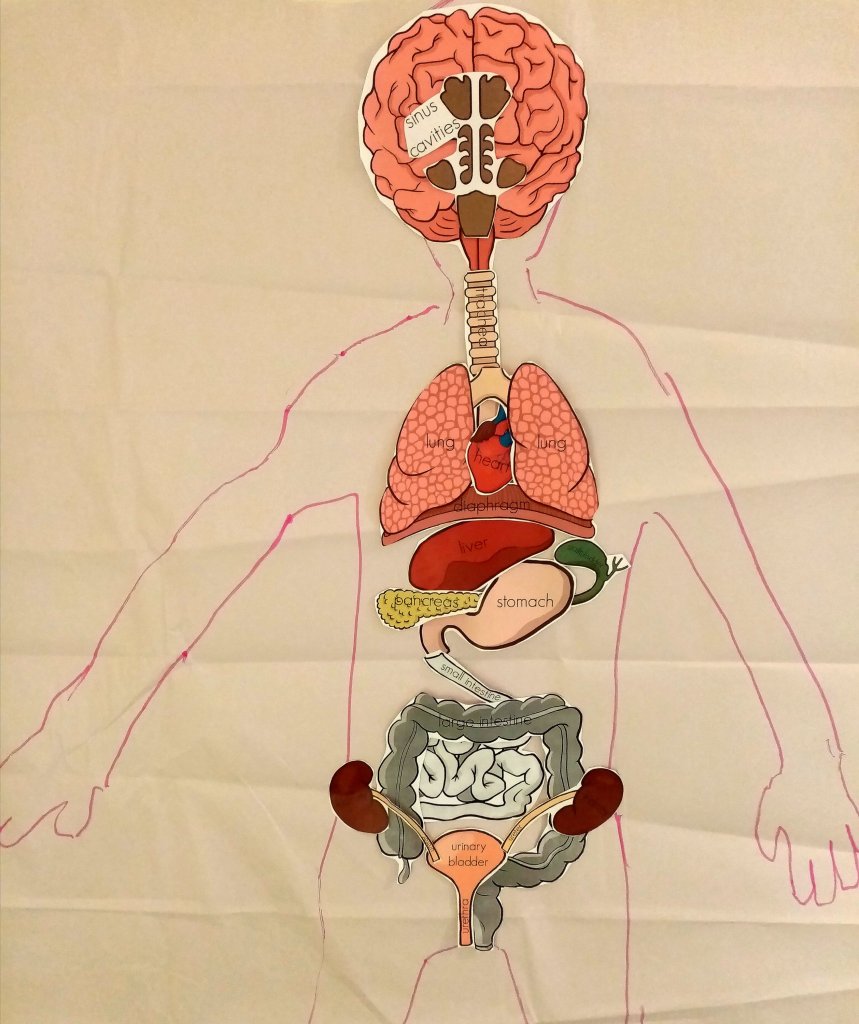
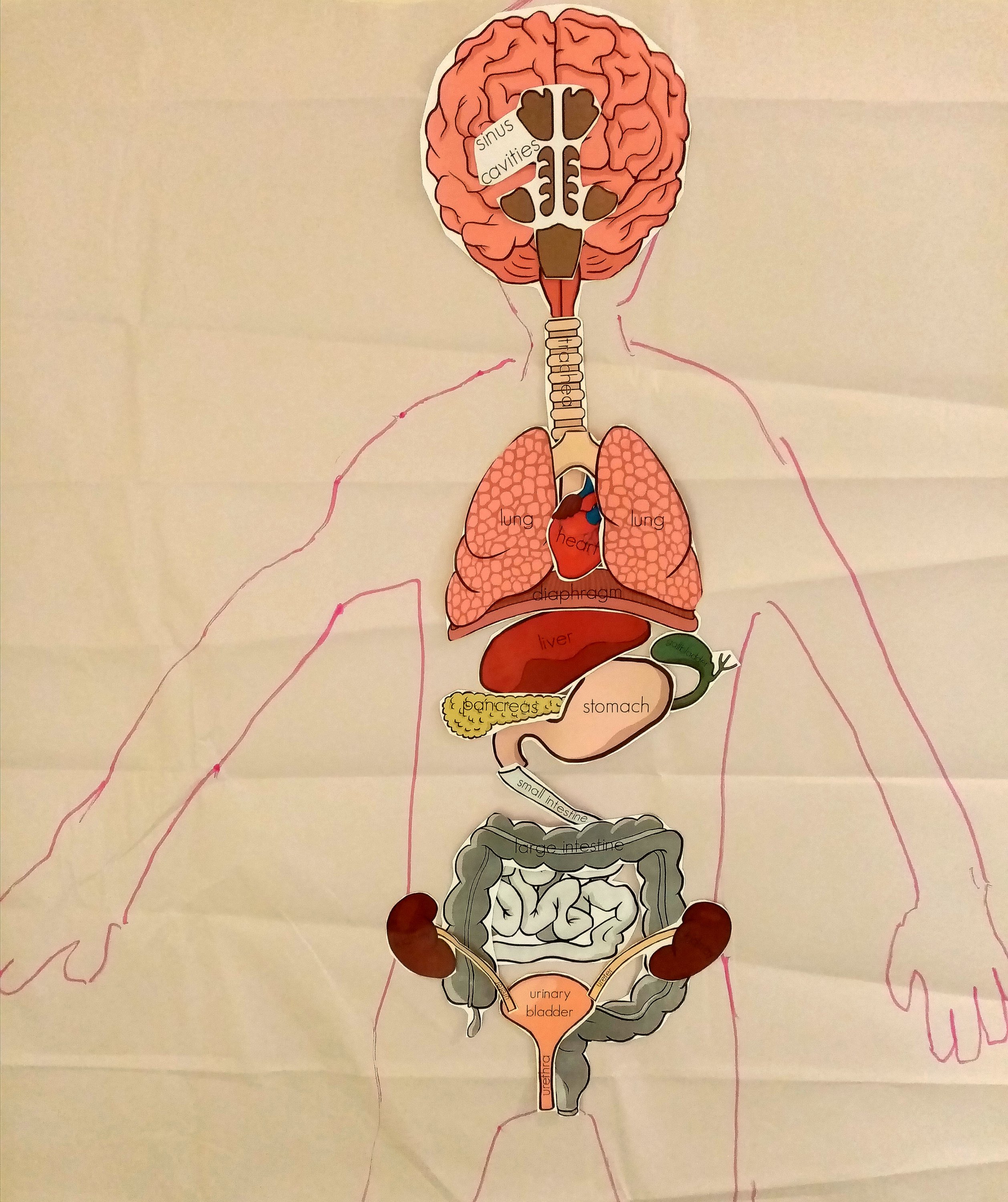
Miss 6 loves the Tinybop Human Body app so was keen to jump straight into having a life-size drawing of herself made on the paper provided. She then did a pretty good job of guessing where the internal organs (supplied) should get blu-tacked on and discussing what human organs do. Honestly, the two she wasn’t sure of (pancreas and gallbladder) I had to google myself to check where to place them. She’s pretty stoked that it’s hanging in the hallway along with other artwork from this box.

We also did reading about human organs in the book provided and did activities about them in our Factivity book. She also made up some pretty cool song and dance routines to demonstrate how organs like the human heart work.

The optional extension activity is to draw an additional system (such as the circulatory system or the nervous system) on the human body and talk about what organ systems these link to and how they support their function.

What does my skeleton look like?

We read about bones in the Human Body book and then did an x-ray activity in our Factivity book. One of the x-ray stickers was of a human hand – which perfectly tied in with our next craft.

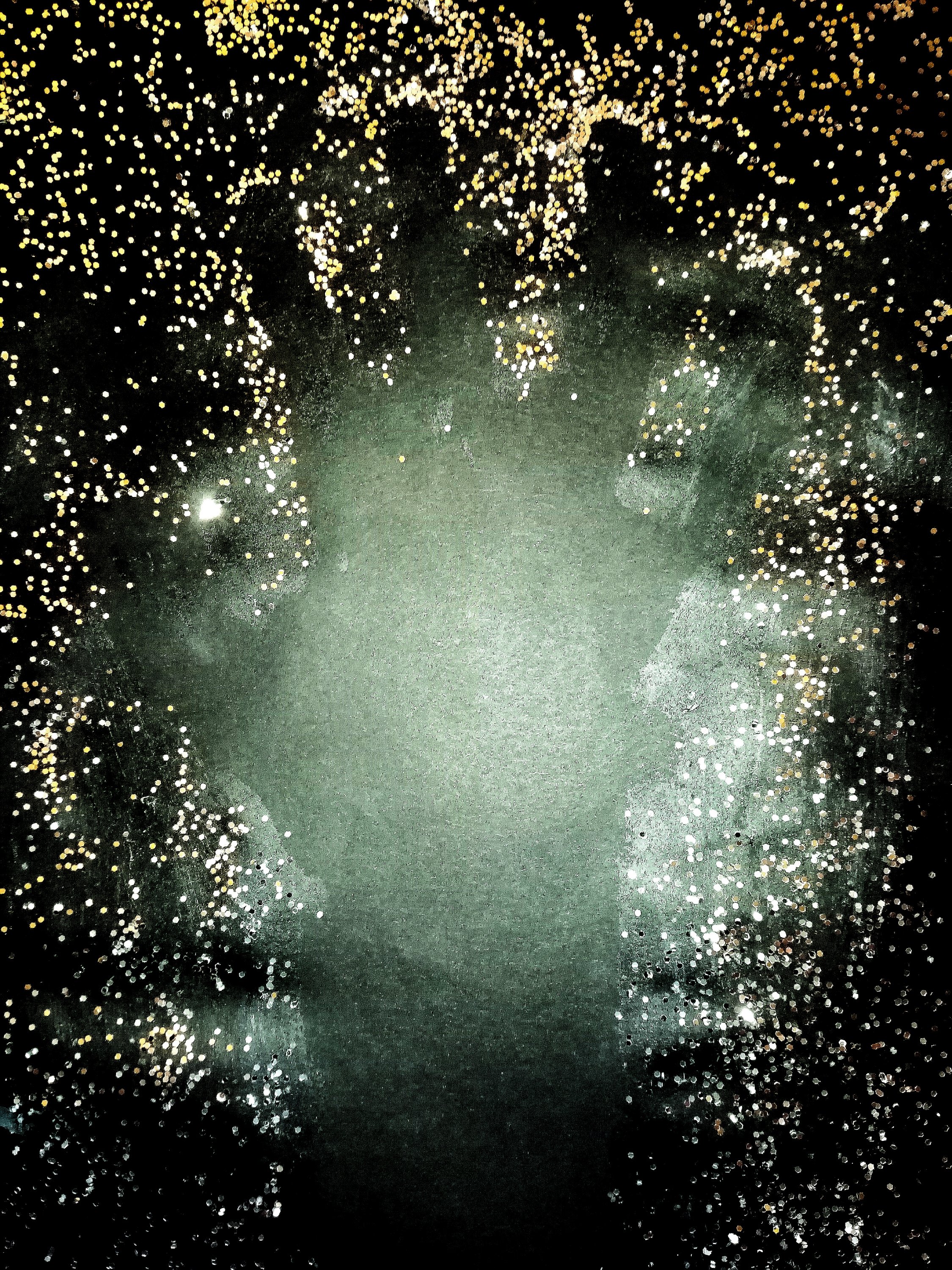
The kit provides black paper, white paint, and instructions on creating your own radiology x-ray of a human hand; you will need to supply cotton bud sticks and strong craft glue. Tip: if you add water to the paint you will only need a little amount! Our first learning-by-doing part of the morning was realizing that thinning the paint too much simply has it oozing beneath the placed hand! Our second attempt went much better and we decided that using a smaller brush for flicking the paint also works better than a large brush.

There are lots of ways that kids can approach this activity. Miss 6 decided to have our ‘hand x-ray’ sticker in front of us and count how many bones should get placed for each finger. She was also fascinated by the negative space that our art created and we went on to create more body themed art along this theme.

We also used our poseable mannequin to explore the interplay between bones, joints, muscles, tendons, and ligaments. We had fun taking turns posing the figure while the other person tried to replicate it in real life. We also used it when looking at how to draw a person.

What is in human blood?

Human blood is made up of several components: red blood cells, white blood cells, platelets, and plasma. We’d already had fun learning about blood in our Factivity book – including exciting face-offs between red and white blood cells in a Tic Tac Toe championship.

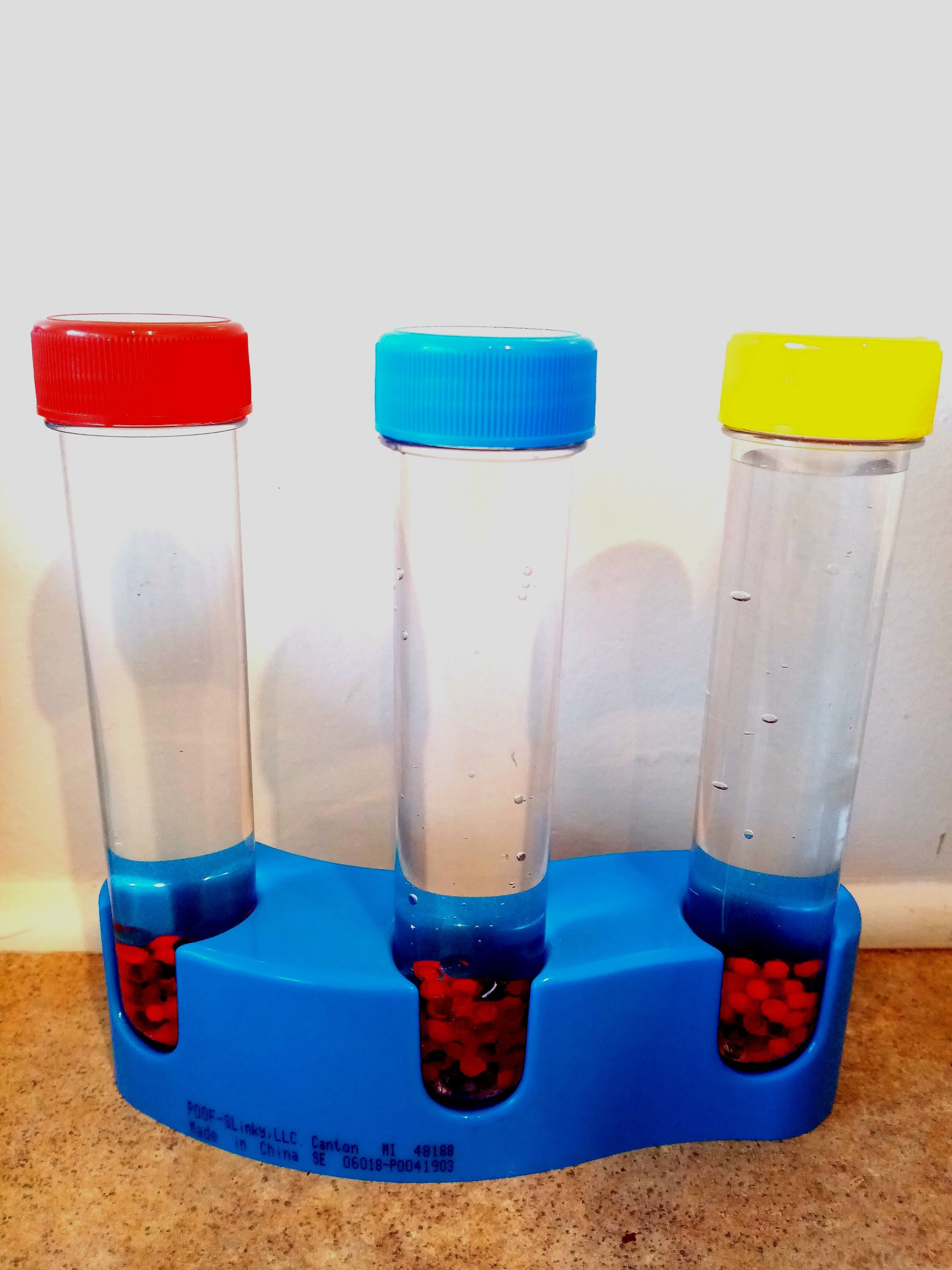
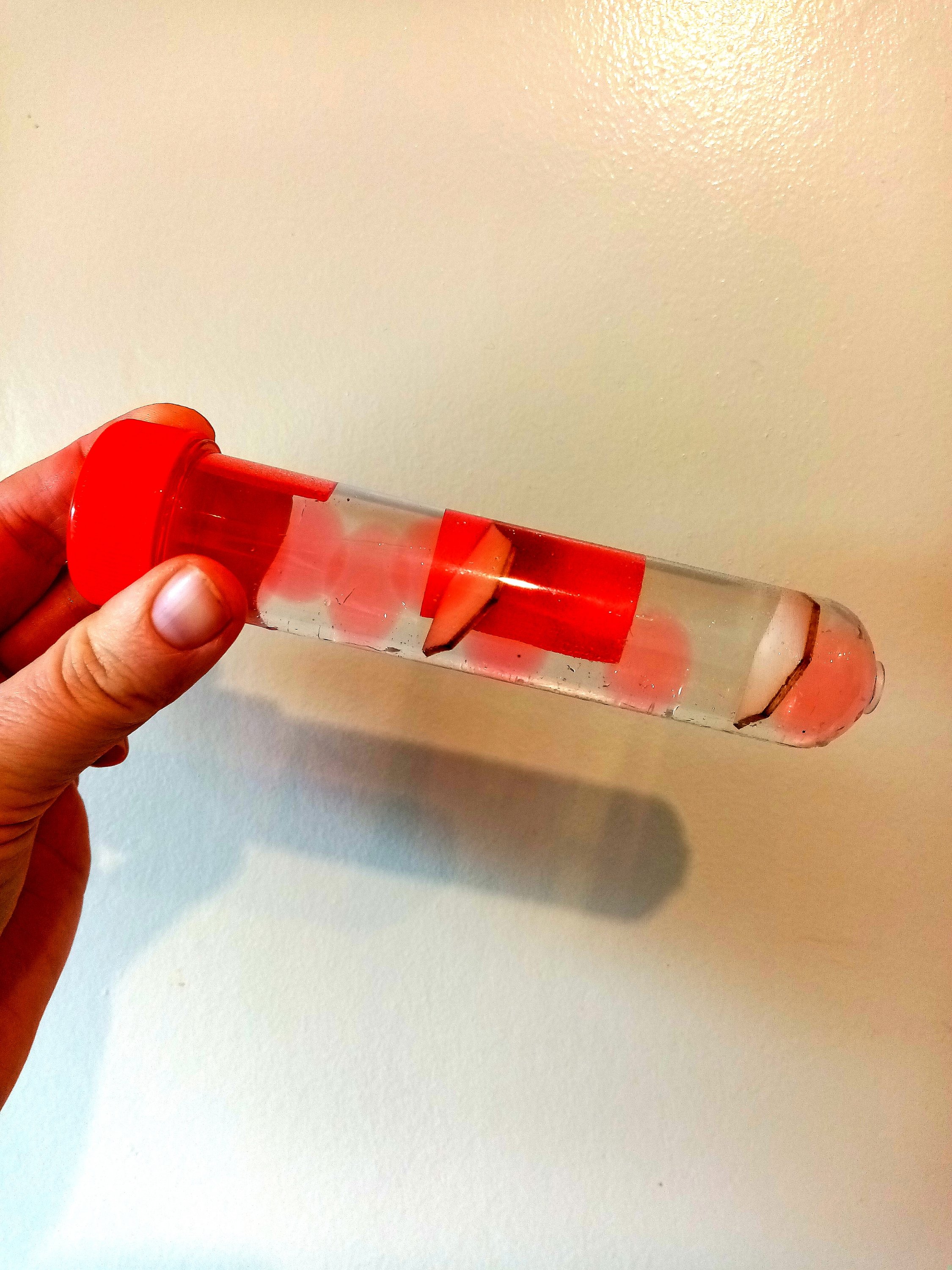
The kit provided us with the materials needed to make our own sensory exploration of the human blood stream. We were supplied with both red and white water beads (Orbeez) which we used as red blood cells (pretending these were a mix of ones carrying oygen outward to the body, and depleted ones returning to get pumped to the lungs); red foam platelets for clotting, and wooden white cells for fighting infection. You’ll also need a container for soaking them in water; we had fun using our test tubes but as they grow dramatically we had most of them in a plastic tub.

We had lots of fun making this up and playing with it in the garden. We found the water beads were also useful for exploring other scientific principles such as: refraction of light; gravity, momentum, and incline surfaces; and applications of force. The last one included everything from experimenting with how much weight the water beads could support (i.e. like lily pads), the best way to crush them, how many could fit into various containers, and what size funnel they would fit through!

How to perform a simple magic trick

Squawking chicken magic trick!

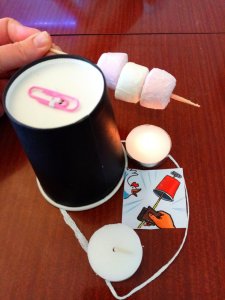
Miss 6 enjoyed watching Disney’s Magic Camp so she was excited that the final activity in the box was a simple magic trick to help us explore amplification and hearing. We did a series of experiments to explore how the cup helped to amplify sound and really did get a chicken like sound (the secret being to have a highly waxed flattened strip at the end of the string and using a damp bamboo cloth). We also talked about natural environments we have visited the shape of the land has created a natural amphitheatre that amplifies sound.

Wondering what to do with those candles afterwards? We lit ours (parental supervision required) and discussed how the candle demonstrated changes to states of matter and what the causal factor was (heat). We also toasted marshmellows and created another magic trick – using paper, the melting candle wax, and dye to create simple batik art on paper!

Interested in more homeschool box reviews?

Discover the World with ATLAS Crate

#1 Introducing the World

#2 Discover Japan

Explore STEM with Kiwi Crate

#1 Arcade Box (and the Claw!)

#2 The Amazing Animation Box (make your own 19th century movie with a Zoetrope!)

#3 The Mechanical Sweeper Box (make your own baleen whale!)

#4 The Disc Launchers Box (play games with physics!)

#5 Kaleidoscope Puzzles (explore symmetry and mirrors!)

ExperisenseNZ

Exploring Maths through Art

Exploring Space through Art