These are the kind of light, fluffy, round scones that one imagines having with berry jam, clotted cream, and china cups of tea. They are made with flour and baked in the oven and rather different from the large, quartered, barley flour or oatmeal griddle scones from which they are descended.
My childhood has many pleasant memories of making scones in sunlit kitchens and they are wonderfully versatile as they can be served with everything from sweet honey to umami Marmite and cheese.
If you make kefir at home keep in mind that you can use it in baking! Although the probiotics will die in the heat, they will leave behind an enriched milk with little lactose and will add a lightness to your baking.
1 to 1/2 cups milk (or 3/4 cup milk kefir + 3/4 cup milk)
Directions
Start oven pre-heating to 220’C / 428’F. Grease a baking tray or line with baking paper.
Measure and cut butter into a mixing bowl.
Sift in flour, baking powder, and salt. Add wheat germ and sugar.
Rub the butter into the flour until it resembles golden breadcrumbs.
Add 3/4 cup of milk (or kefir). Mix to combine.
Slowly add up to 3/4 cup of additional milk; stop to knead as you add the extra liquid. You want to draw all the dry ingredients into the mix without it getting too wet and sticky.
Pull off the dough into approximately 12 pieces. Roll into rough balls in your hand and then flatten slightly. Place on prepared baking tray.
Bake at 220’C / 428’F for 10 minutes. The scones should rise a great deal. Check if they are cooking evenly (and adjust their placement in the oven if not). Reduce the heat to approximately 180’C / 350’F and bake for another 5-6 minutes until golden.
WHAT IS IN THE EXPERISENSE NZ BIOLOGY HOMESCHOOL BOX?
I purchased the ExperiSense NZ Biology Box for NZD$25 to add a kinaesthetic dimension to our learning about the human body. The box provides fun learning crafts to do that are fully aligned with the NZ Curriculum and are highly adaptable to age, interest, and special needs.
This is a great way for kids to ask questions like ‘What is in the human body?’ and ‘How does my body work?’. The kit proved to be fantastic value as the book alone retails for around NZD$20. It’s a well laid out hardback book, aimed at primary school aged children (KS1/KS2), with heaps of colour photos (as well as cool radiology and specialist pictures from hospital imaging).
What are the organs of the human body?
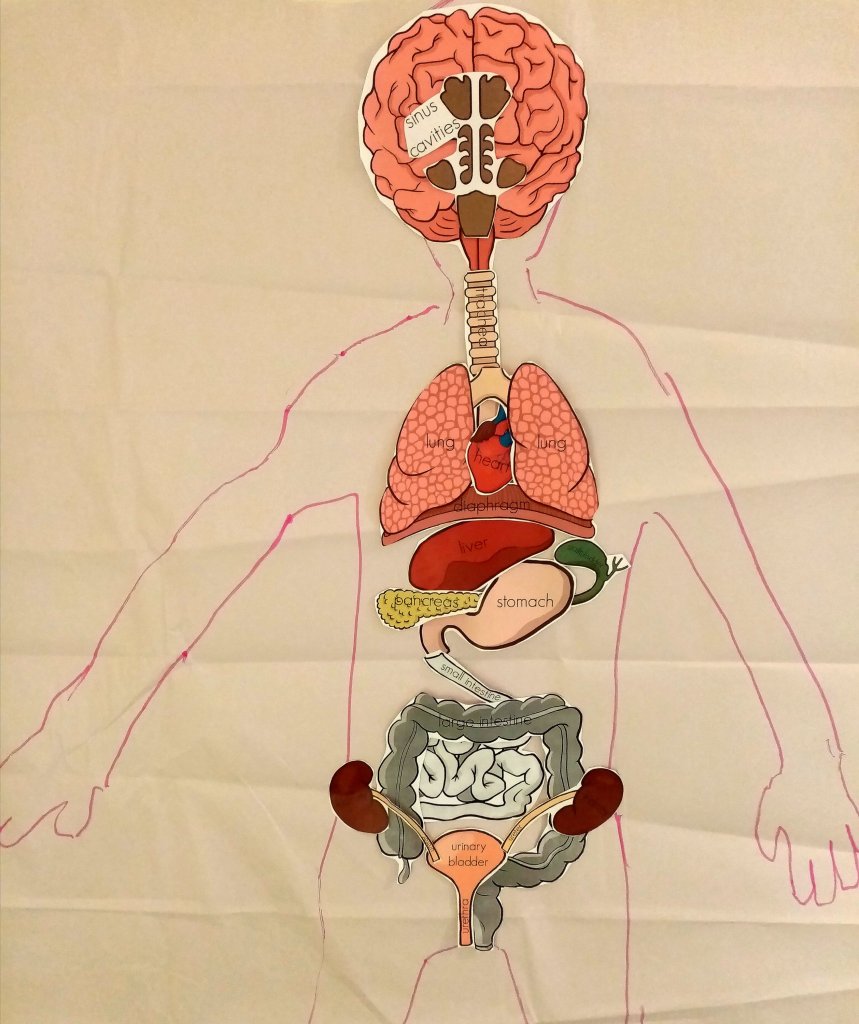
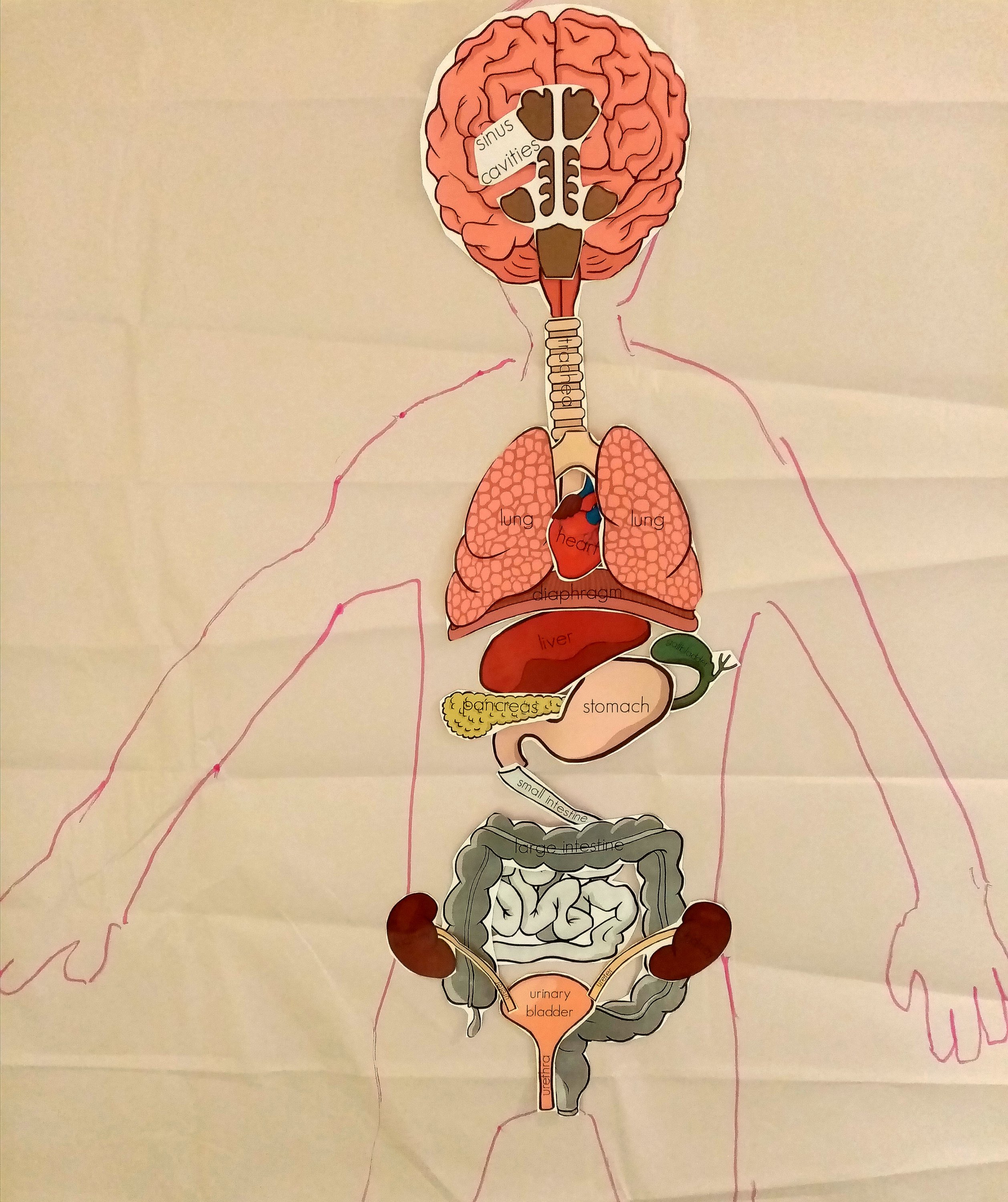
Miss 6 loves the Tinybop Human Body app so was keen to jump straight into having a life-size drawing of herself made on the paper provided. She then did a pretty good job of guessing where the internal organs (supplied) should get blu-tacked on and discussing what human organs do. Honestly, the two she wasn’t sure of (pancreas and gallbladder) I had to google myself to check where to place them. She’s pretty stoked that it’s hanging in the hallway along with other artwork from this box.
We also did reading about human organs in the book provided and did activities about them in our Factivity book. She also made up some pretty cool song and dance routines to demonstrate how organs like the human heart work.
The optional extension activity is to draw an additional system (such as the circulatory system or the nervous system) on the human body and talk about what organ systems these link to and how they support their function.
What does my skeleton look like?
We read about bones in the Human Body book and then did an x-ray activity in our Factivity book. One of the x-ray stickers was of a human hand – which perfectly tied in with our next craft.
The kit provides black paper, white paint, and instructions on creating your own radiology x-ray of a human hand; you will need to supply cotton bud sticks and strong craft glue. Tip: if you add water to the paint you will only need a little amount! Our first learning-by-doing part of the morning was realizing that thinning the paint too much simply has it oozing beneath the placed hand! Our second attempt went much better and we decided that using a smaller brush for flicking the paint also works better than a large brush.
There are lots of ways that kids can approach this activity. Miss 6 decided to have our ‘hand x-ray’ sticker in front of us and count how many bones should get placed for each finger. She was also fascinated by the negative space that our art created and we went on to create more body themed art along this theme.
We also used our poseable mannequin to explore the interplay between bones, joints, muscles, tendons, and ligaments. We had fun taking turns posing the figure while the other person tried to replicate it in real life. We also used it when looking at how to draw a person.
What is in human blood?
Human blood is made up of several components: red blood cells, white blood cells, platelets, and plasma. We’d already had fun learning about blood in our Factivity book – including exciting face-offs between red and white blood cells in a Tic Tac Toe championship.
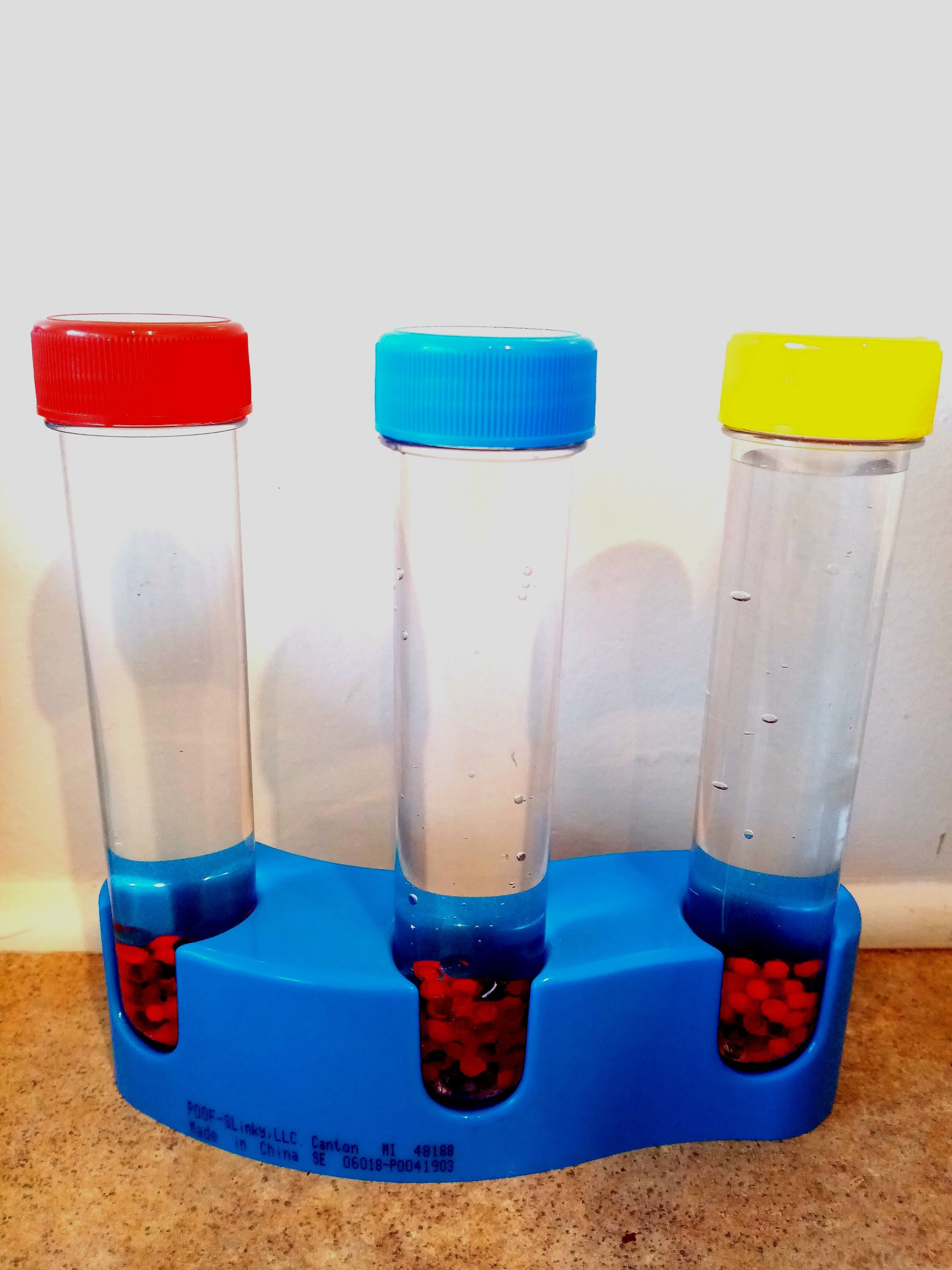
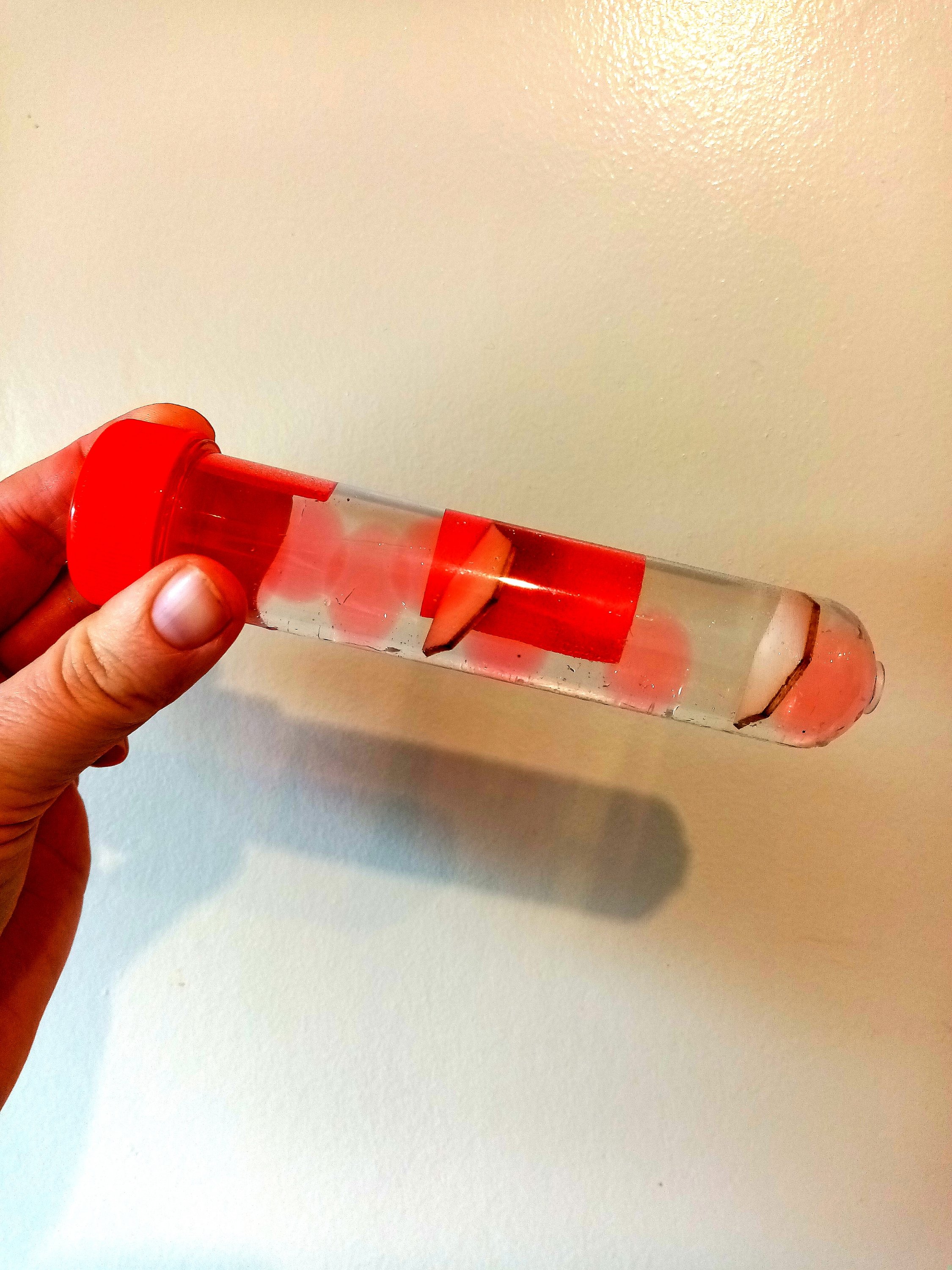
The kit provided us with the materials needed to make our own sensory exploration of the human blood stream. We were supplied with both red and white water beads (Orbeez) which we used as red blood cells (pretending these were a mix of ones carrying oygen outward to the body, and depleted ones returning to get pumped to the lungs); red foam platelets for clotting, and wooden white cells for fighting infection. You’ll also need a container for soaking them in water; we had fun using our test tubes but as they grow dramatically we had most of them in a plastic tub.
We had lots of fun making this up and playing with it in the garden. We found the water beads were also useful for exploring other scientific principles such as: refraction of light; gravity, momentum, and incline surfaces; and applications of force. The last one included everything from experimenting with how much weight the water beads could support (i.e. like lily pads), the best way to crush them, how many could fit into various containers, and what size funnel they would fit through!
How to perform a simple magic trick
Squawking chicken magic trick!
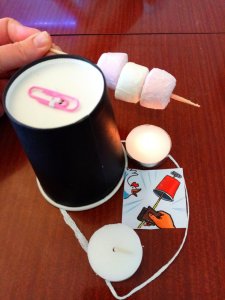
Miss 6 enjoyed watching Disney’s Magic Camp so she was excited that the final activity in the box was a simple magic trick to help us explore amplification and hearing. We did a series of experiments to explore how the cup helped to amplify sound and really did get a chicken like sound (the secret being to have a highly waxed flattened strip at the end of the string and using a damp bamboo cloth). We also talked about natural environments we have visited the shape of the land has created a natural amphitheatre that amplifies sound.
Wondering what to do with those candles afterwards? We lit ours (parental supervision required) and discussed how the candle demonstrated changes to states of matter and what the causal factor was (heat). We also toasted marshmellows and created another magic trick – using paper, the melting candle wax, and dye to create simple batik art on paper!
Each Atlas crate includes a new sticker and country map for your Adventure Passport
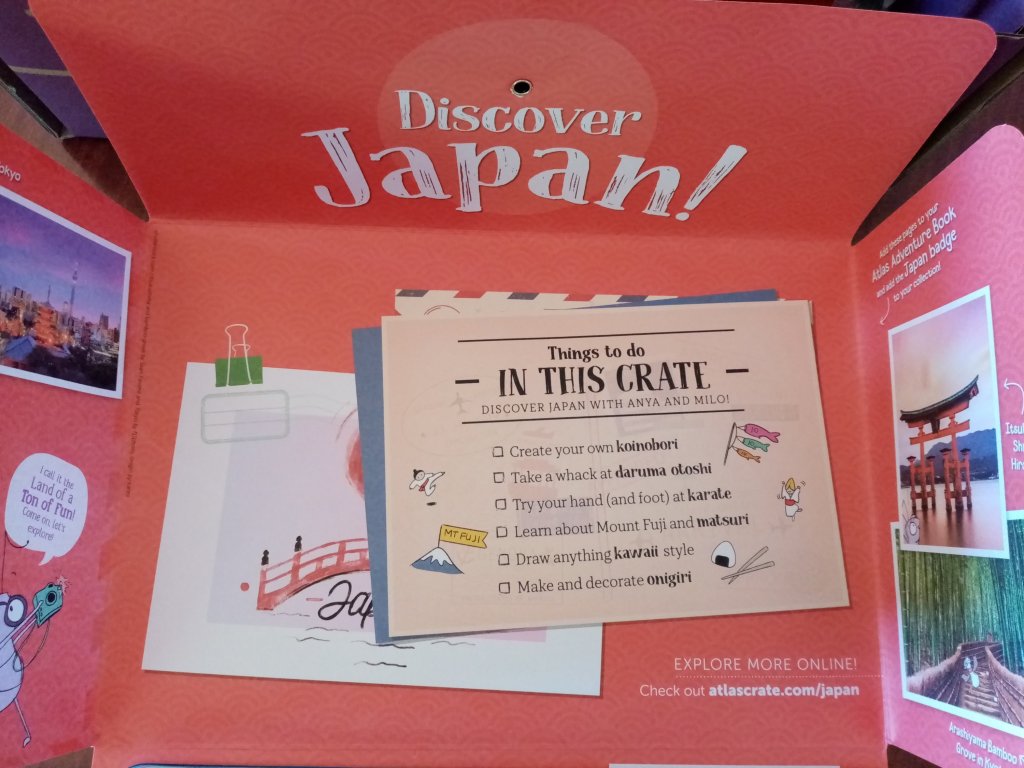
There are all kinds of fun activities to do in the Japan Crate including making a game, a craft, cooking, drawing, and learning a little about Japan!
You begin by opening your travel mail from Milo and Anya to find out about their latest travel adventures! Miss 6 enjoys seeing them posing for selfies in the photos of Japan.
There is a passport sticker to add to our Adventure Passport and various cards about Japan to add to it as well. These range from a country map and cultural information, to activity cards with things to do. You can learn some karate, find out about cultural festivals, do some cooking, and learn to draw in kawaii (super cute) style. We did all of the activities in the box and had a lot of fun with them! We enjoyed learning how to make onigiri. Miss 6 loved the kawaii style so much that we picked up a copy of Mini Kawaii Doodle Cuties: Sketching Super-Cute Stuff from Around the World. It’s a handy addition to our World Studies library as it features food and monuments from around the world; i.e. for France you can learn to draw a kawii-style Eiffel Tower, macaron, and beret.
Our Deluxe Box Book was “I am Tama, Lucky Cat” by Wendy Henrichs. It’s a lovely picture book and we found the Afterword with it’s historical information and photographs really interesting for helping us learn more about why Maneki–neko (招き猫, lit. ‘beckoning cat’) are popular.
How to make your own koinobori
How to make your own koinobori
These carp streamers (or windsocks) are hung to celebrate Children’s Day (こどもの日 or Kodomo no Hi), this is celebrated annually on the 5th of May. The carp represent courage and strength and this is reflected as well by the popular Japanese saying “koi no taki-nobori” (“koi climbing the rapids”). “The carp, evoking images of energy, power and courage, is a worthy symbol for overcoming life’s difficulties and achieving ultimate success.” [Mark Brazil].
I love how the everything is provided for the craft and, in true KiwiCo style, it is well thought out so that it appeals to a range of ages / abilities and no fiddly glue is provided. Children can customise their beautiful koinobori choosing from a colourful array of fabric ‘scales’ that are laid in an overlapping pattern over strips of special double-sided ‘tape’. There are many more scales than required to ensure plenty of choice and children are encouraged to explore their creativity by making each side of their carp different. Miss 6 finished one side of ‘Mr Carp’ then made him a bed, played with him, and added a row of scales each day to the second side so that he could slowly ‘grow’ and become older.
How to make your own Daruma Otoshi
Make your own Daruma Otoshi だるま落としゲーム
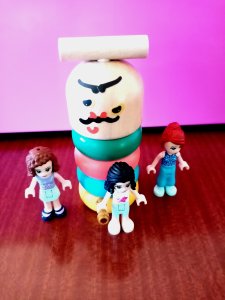
Daruma Otoshi is a traditional game played in Japan. ‘Daruma’ is the name of the doll and ‘otoshi’ means ‘to drop’. Taking the wooden mallet, you need to try and knock out the bottom wooden circle in such a way that everything above it falls straight down. If you can continue until Daruma drops, without it toppling over, then you win! The game can be played solo or with friends and is harder than it looks!
The crate comes with everything you need for the game. You get to design your own face from the range of stickers provided and there are plenty of spares 🙂
This is not a paid review. I spent a lot of time searching the internet to find out more information about the Kiwi Crate and Atlas Crate boxes before deciding to try them and found the blog posts / photos that people shared were really useful!
If you would like to try Atlas Crate (or one of their other lines), you can receive 50% off your first box by clicking here.
What I like about the Atlas Crate kits is that they provide a colourful and imaginative way of exploring the world through hands-on activities. I like that they use a mix of STEM and art to explore different concepts and ideas. Their products are also very well made, with clear instructions, and kids feel a real sense of pride in what they accomplish with each box.
There’s no obligation to sign-up in an on-going capacity so it’s easy to tie them in with birthdays / Christmas; the boxes are quite compact so they also store easily in a cupboard for bringing them out on a rainy day. Other families will choose to sign up for a longer period (like a 3, 6, or 12 month cycle).
WHAT IS IN AN ATLAS CRATE?
Each Atlas Crate comes with a special airmail envelope from Anya the Cricket and Milo the Sandpiper revealing where they’ve been on their latest adventure. There is a special passport sticker for your child’s Atlas Adventure Book plus seven new pages to add about a new country (highlighting geography, customs, landmarks, history, and foods).
There are supplies for two activities (which might be a mix of art, STEM, and games) as well as suggestions for more DIY activities to try at home – from things to make, to things to bake!
If you choose the Deluxe option, then you will also receive a book that helps you explore that month’s destination. This upgrade is an additional USD$9.95 (approx. $15 NZD) and can impact shipping costs as well. Since we’re homeschooling, I decided that we’d try the Deluxe option for 6 months to see how useful we find it.
WHAT IS IN THE EXPERISENSE NZ SPACE HOMESCHOOL BOX?
The wonderful thing about homeschooling is the flexibility that it provides for exploring learning through fun, hands-on projects that let you cater for your child’s individual learning needs. There are many different learning styles and not all are catered for by task-orientated repetitive worksheets. For those that are highly visual and hands-on, finding alternative ways to engage in learning concepts is very important.
I purchased the ExperiSenseNZ Space Box for NZD$28 to add a kinaesthetic dimension to our learning about space. The box provides fun learning crafts to do that are fully aligned with the NZ Curriculum and are highly adaptable to age, interest, and special needs.
The kit comes with craft materials to explore our solar system through five activities. It anticipates that you will also have access to books / resources that provide additional learning information and you may want to supplement with your own craft materials also (we did).
Exploring the Solar System
We spent a few days creating and painting our own solar system (comprised of: Sun, Mercury, Venus, Earth, Mars, Jupiter, Saturn, Uranus, Neptune). The kit comes with paint (red, UV yellow, blue, green, black, white) but we also supplemented with our own paint, glitter, and tinsel. We loved experimenting with the UV flashlight that is included!
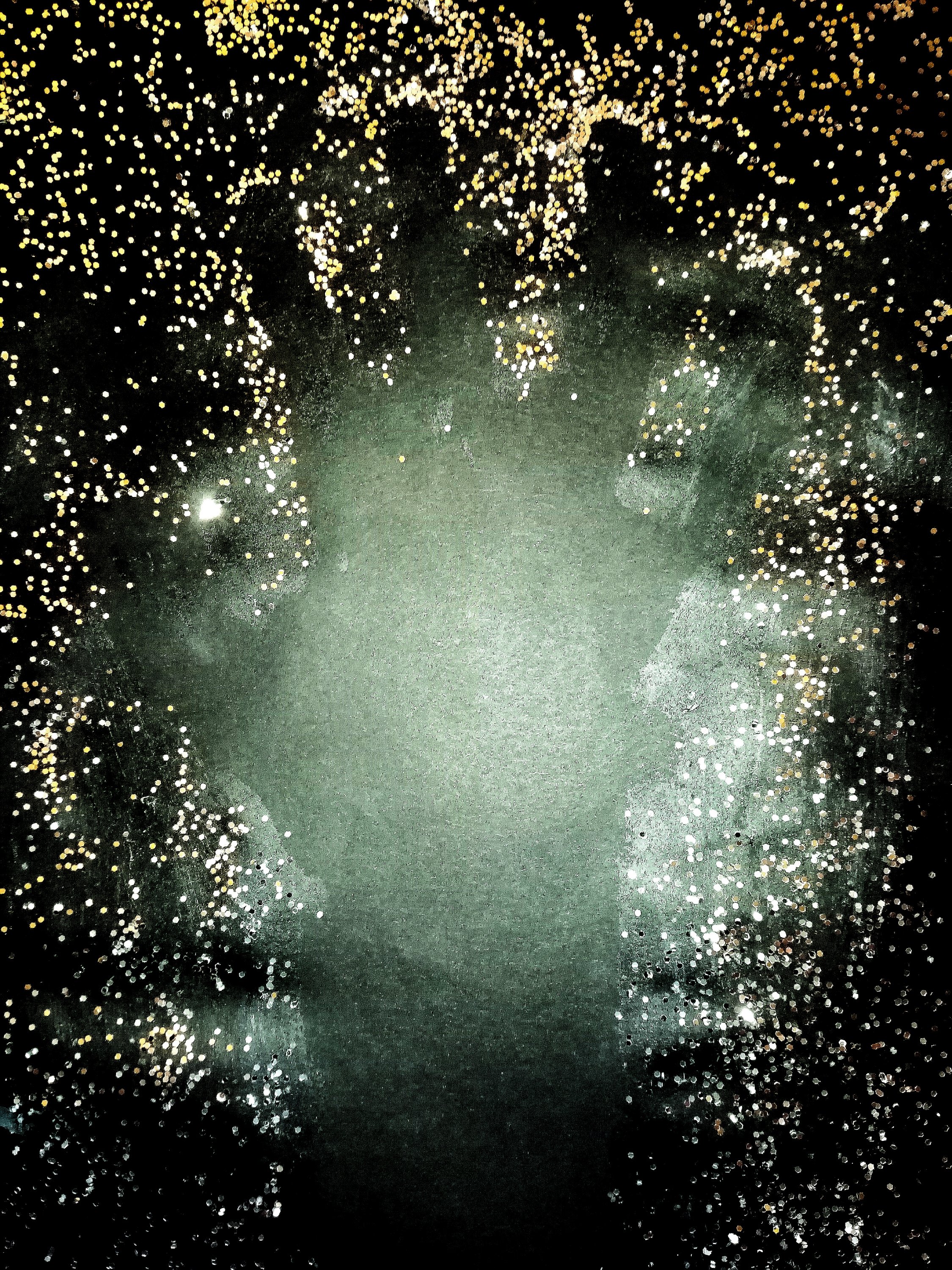
We then took one of our Kiwi Crate boxes; painted it black, added silver and iridescent glitter over white glue; and created a solar system background that was a perfect fit for helping our solar system to stand safely while being interacted with.
Exploring the Sun and Moon
Creating the sun
I’ll confess that we jazzed this activity up a bit with materials of our own! Miss 6 wasn’t keen on painting the iceblock sticks with the UV yellow paint so instead we used the yellow yarn and big wooden beads that were provided and then bulked it out with our own multi-coloured yarn and created a Pippins-style sash of additional beads 😀
What I liked about the big wooden beads that are provided is that they can be used to create a wonderful ring for then hanging your finished display in the window. Draw the curtains in the evening and – Voila! – you put the sun to bed.
We also used the globe we’d created with our KiwiCo ATLAS crate and a lamp (as the sun) to explore the Earth’s relationship with the sun and how this creates both night/day and seasons.
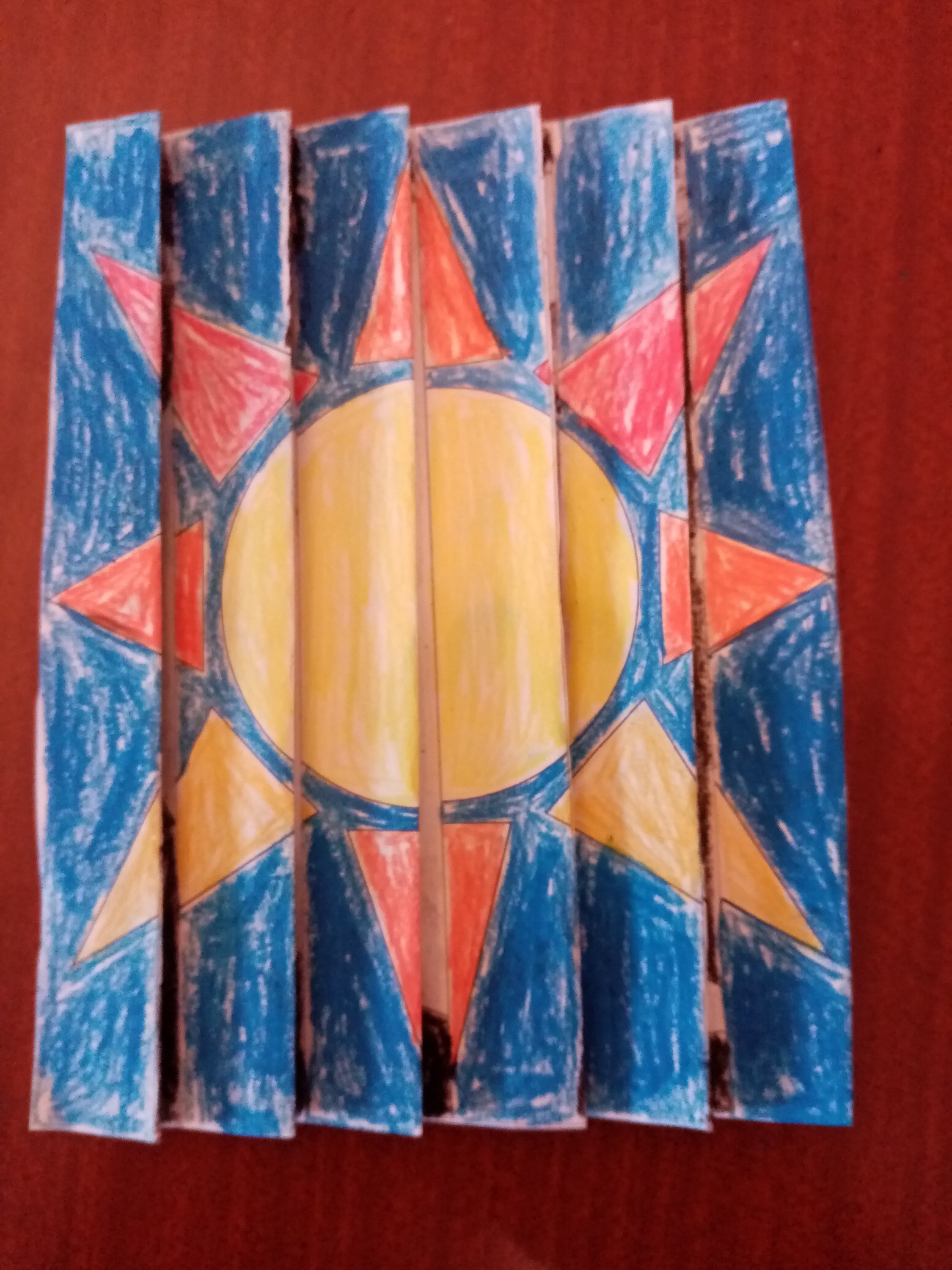
Agamographs are fun to do! Colouring in the alternating strips is a visual processing exercise and then there’s the fun of folding them to reveal the illusion. These kids crafts are inspired by the works of artist Yaacov Agam.
Craters of the Moon
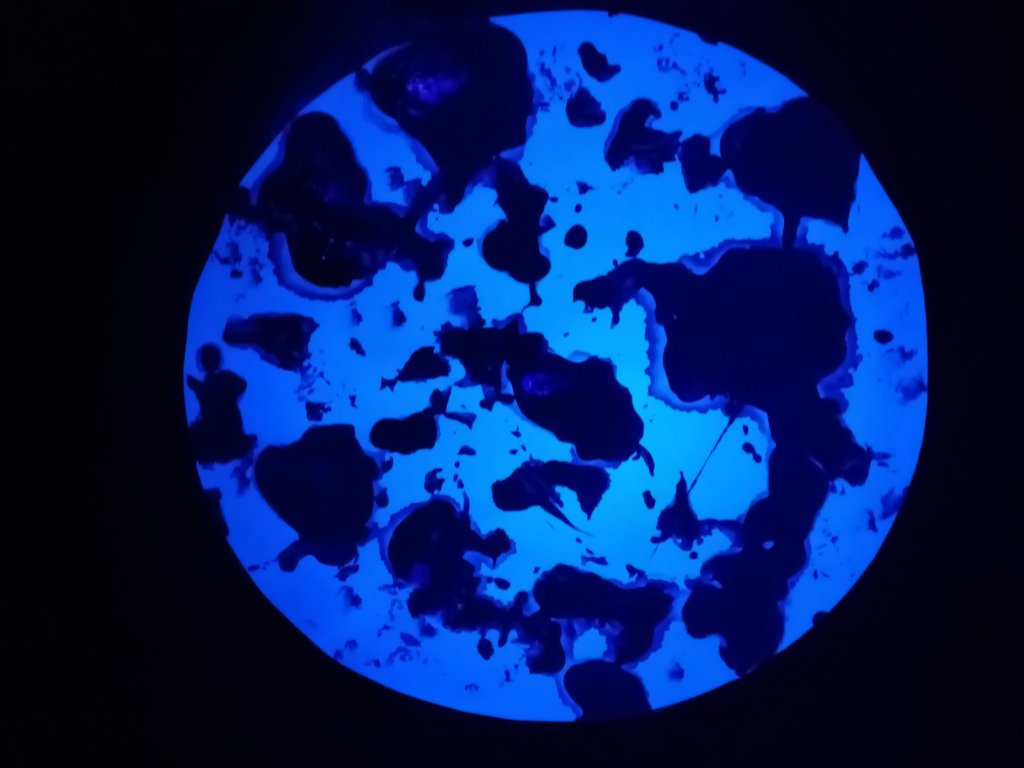
Our own moon art under UV light!
There is a visual provided showing the phases of the moon as well as an artistic rendering of the moon’s face. Kids can then keep their own moon journal for a month to watch how the moon’s appearance changes in the night sky (note: this is a great winter activity when it’s dark earlier!).
They can also mix up their own gray paint and using the tinfoil provided stamp out craters on their own moon.
Tip: This moon craft looks awesome under UV light and the leftover dark grey paint (applied very lightly) makes wonderful hand prints – we picked up great ridge-line details forensics style!
I found it to be a really good kit for Year 1 and Year 2 (KS1) with minimal parental help required. Slightly older primary school kids (KS2) may still enjoy the kit and could always use the materials as a springboard for slightly more complex presentations, such as adding a foam base and some mathematical calculations for their solar system creation: like this.
Tip: Consider setting aside a set of messy play clothes for this space project. We used a lot of acrylic paints for ours and the paint clothes were beautifully coloured with hard work by the end of the week!
Creative homeschool STEM fun with the Kiwi Crate Kaleidoscope box learning about reflections and symmetry.
WHAT IS IN THE KALEIDOSCOPE PUZZLE BOX?
The mathematics focus for this box is learning about symmetry. What I love about KiwiCo is how engaging they make learning about maths and how easy they make it for kids to understand. Both the comic strip and the projects explore symmetry and shapes hands on fun through art and mirrors!
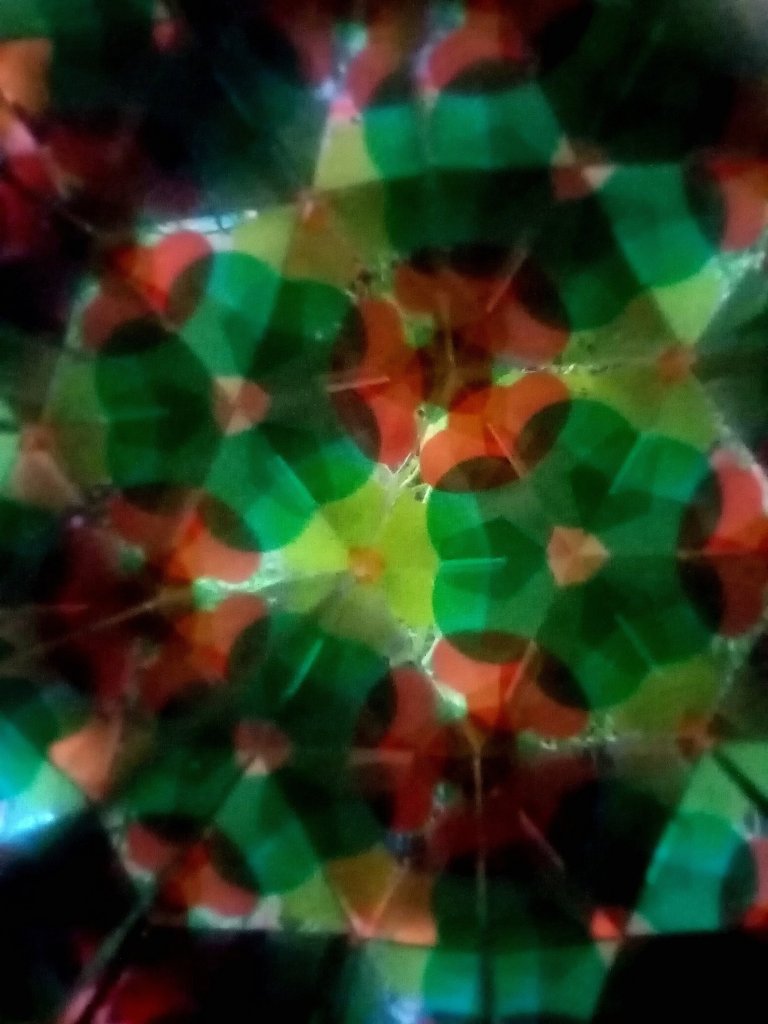
The main engineering build for this box is making akaleidoscope. We’ve made one with a kit previously but had issues with it coming loose and spilling it’s sparkling contents over the floor! KiwiCo have avoided this issue by having clear plastic wheels that get pinned on (and can get easily swapped out); there are two special sticker sheets provided with numerous colours and shapes so that kids can design their overlapping patterns.
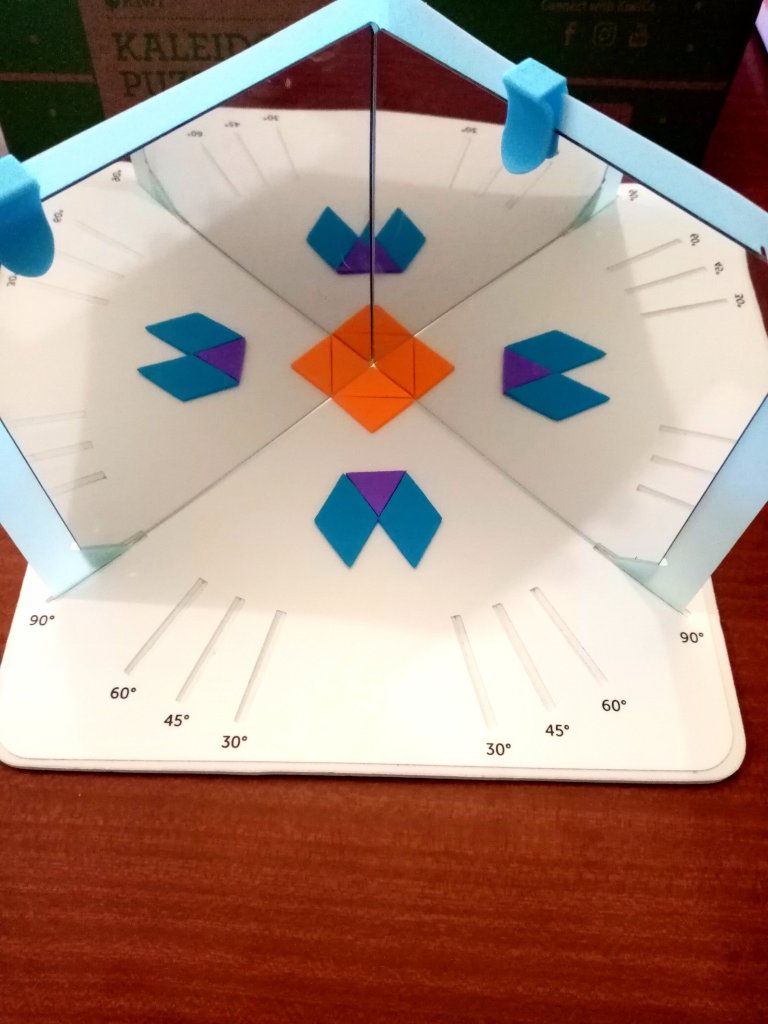
The second project (art and maths) involves experimenting with the mirror book to see what shapes and patterns you can make by shifting the mirror book between 30′, 45′, 60′, and 90′ angles. Encourage children to identify the shapes that are being made (i.e. a square vs pentagram) and to count the number of reflections, points, sides, etc. The box also comes with pre-cut blank shapes and markers so that children can experiment with their own designs! It’s also large enough to accommodate small toys for extra fun!
The third project explores logic and visual discrimination by trying to replicate picture puzzle cards using the coloured shapes provided. There is a convenient travel bag included so that kids can also design their own puzzles or pictures on the go!
The Explore magazine also provides ideas for additional ideas for exploring symmetry – handy if you are homeschooling! These include such activities as kite flying, identifying symmetry in nature, making ‘symmetrical socks’, and getting in the kitchen. We opted for pizza for our kitchen activity – which also conveniently let us explore fractions and sharing (division)!
Make a kaleidoscope.
Design your own changing patterns.
Explore angles, shapes, and patterns.
Get creative with angled mirrors
Use shapes to solve puzzle cards
HOW DO I ORDER KIWI CRATE?
This is not a paid review. I spent a lot of time searching the internet to find out more information about the Kiwi Crate and Atlas Crate boxes before deciding to try them and found the blog posts / photos that people shared were really useful!
If you would like to try Kiwi Crate (or one of their other lines), you can receive 50% off your first box by clicking here.
What I like about the Kiwi Crate kits is that they use a combination of Science, Technology, Engineering, Arts, and Mathematics to explore a concept or idea. There’s no obligation to sign-up in an on-going capacity so it’s easy to tie them in with birthdays / Christmas; the boxes are quite compact so they also store easily in a cupboard for bringing them out on a rainy day. Mind you, this only works if you spot the package on the door-step first – children become quite adept at recognising the green Kiwi Crate box and screaming with delight at it’s arrival!
The boxes are sent randomly so there’s no way to know what will come in the future; however, you can log-in to your account at the start of each month to see what box has been selected. Your box history is kept which means that even if you cancel and then pick-up again the following year they can make sure that you aren’t sent repeats of boxes.
WHAT IS IN A KIWI CRATE?
The Kiwi Crate is aimed at ages 5-8 years. It comes with a copy of the Explore magazine which opens with a fun comic about Steve the Kiwi and his friends. [As a side note, these are made by an American company despite the use of our New Zealand native bird]. These comics are really approachable for younger kids and a great way of exploring the concepts being introduced in a relateable manner.
The Explore magazine provides a range of information on the topic, it might include some simple games or tricks to try at home, and provide ideas for additional crafts / activities using simple materials. It also has a sticker [unique to each box theme] to put on your Kiwi Crate chart.
The box also includes an instruction manual and the materials that you need to build the main craft. Generally, there are two activities to do – one that is more art related, and one that is more mechanical engineering. What makes the kits special, is how well crafted the engineering components are. They really are designed for the intended age group so that they can either build themselves or help assist an adult. There are handy visual images and checkpoints to make sure that things are aligned correctly. There is no super-bonding-fingers-together wood glue to use with these projects (which makes them great for highly sensory children); instead parts come with double sided tape finely engineered on so that you just need to remove the backing strip of paper.
What is in the ExperiSense NZ Numeracy Art Homeschool Box?
The wonderful thing about homeschooling is the flexibility that it provides for exploring learning through fun, hands-on projects that let you cater for child’s individual learning needs. There are many different learning styles and not all are catered for by task-orientated repetitive worksheets. For those that are highly visual and hands-on, finding alternative ways to engage in learning concepts is very important.
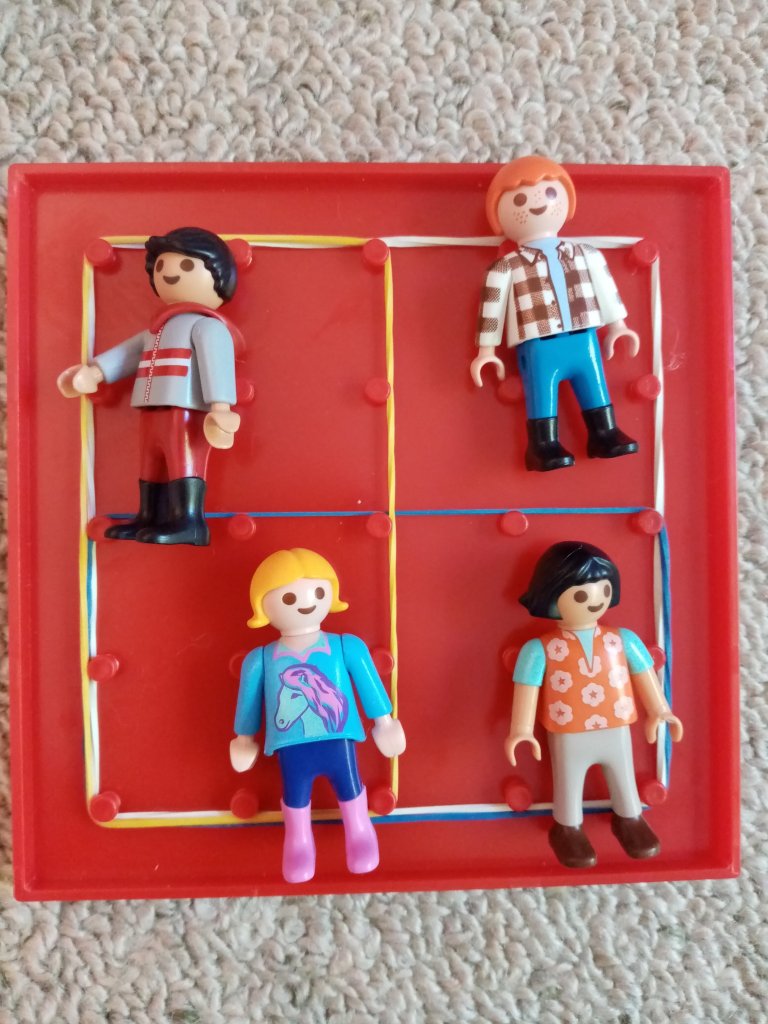
I purchased the ExperiSenseNZ Numeracy Art box for NZD$25 because it allows key numeracy and mathematics learning concepts to be explored in a fun way by using art. It’s fully aligned with the NZ Curriculum and highly adaptable to age, interest, and special needs. I also purchased a geoboard for added fun!
The kit comes with a teaching guide for 12 different activities, most of the materials you’ll need for the activities (assuming you’ll have basics like scissors, glue, and felts at home), and a highly convenient plastic storage case!
Let’s Count!
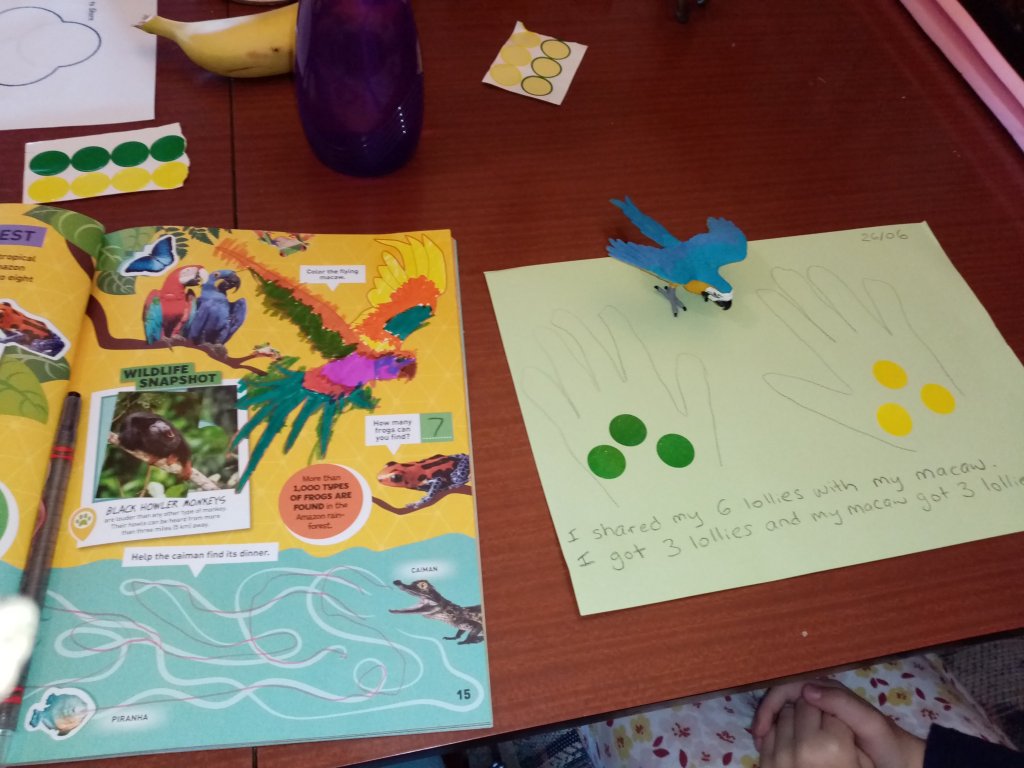
Division and sharing
Fractions (parts of a group)
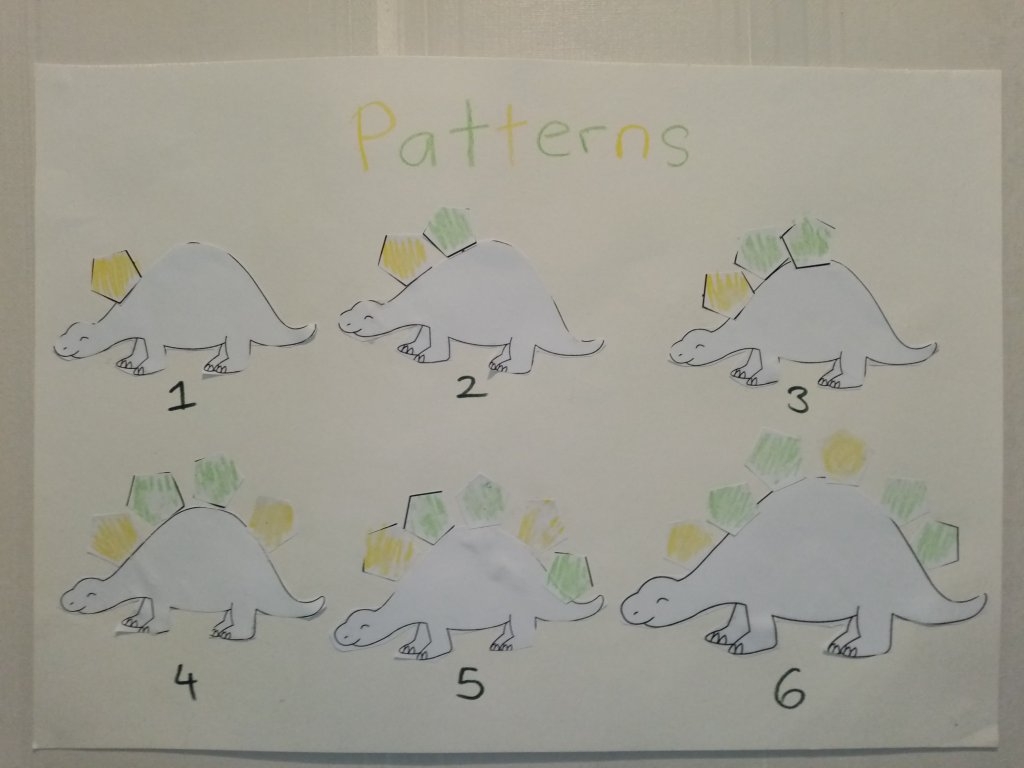
Growing Patterns
Terms and Rules
Decision Trees
Exploring light and colour
Forms of measurement
Shapes and fractions
Shapes and sharing
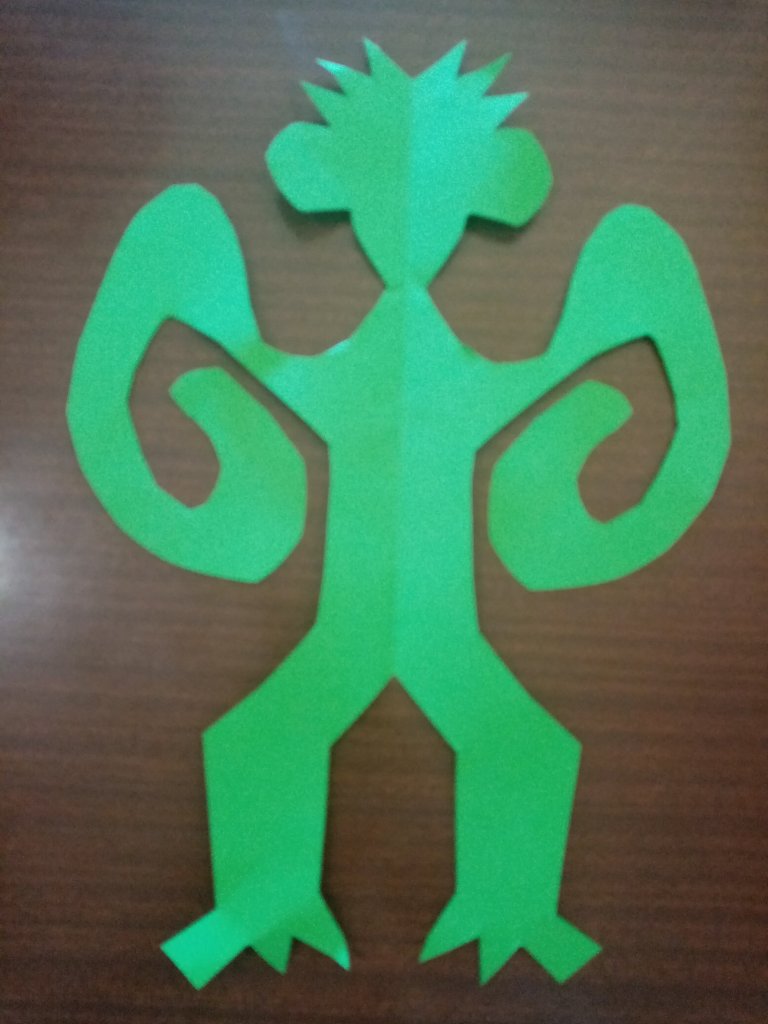
Exploring symmetry
Spatial relationships
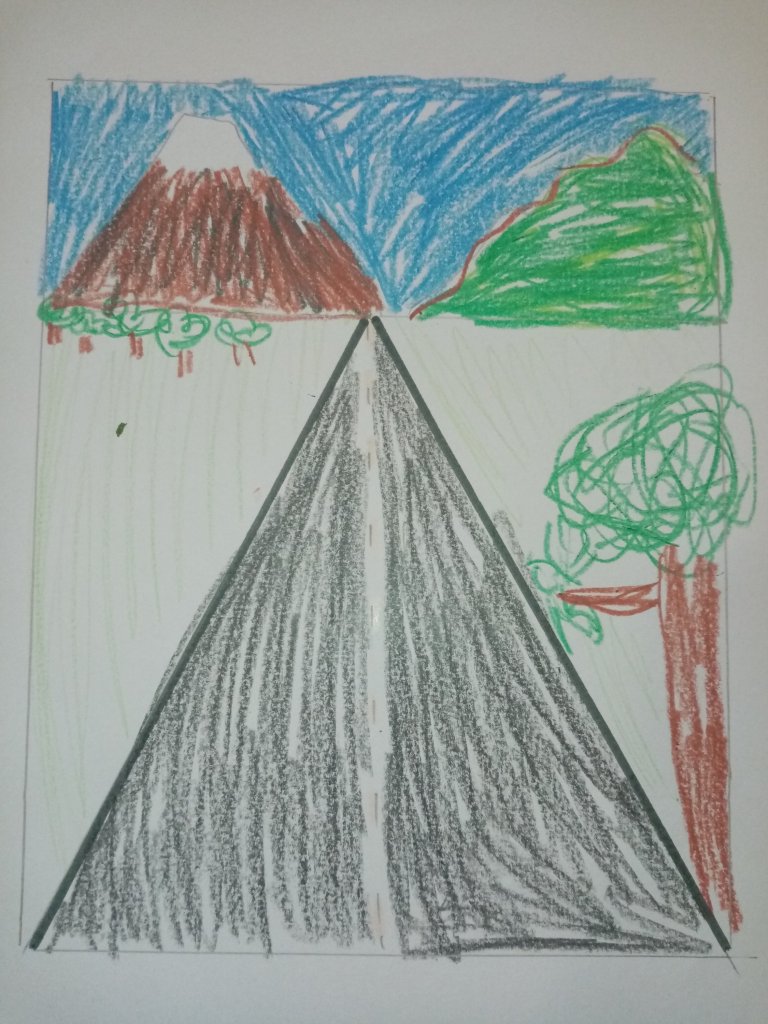
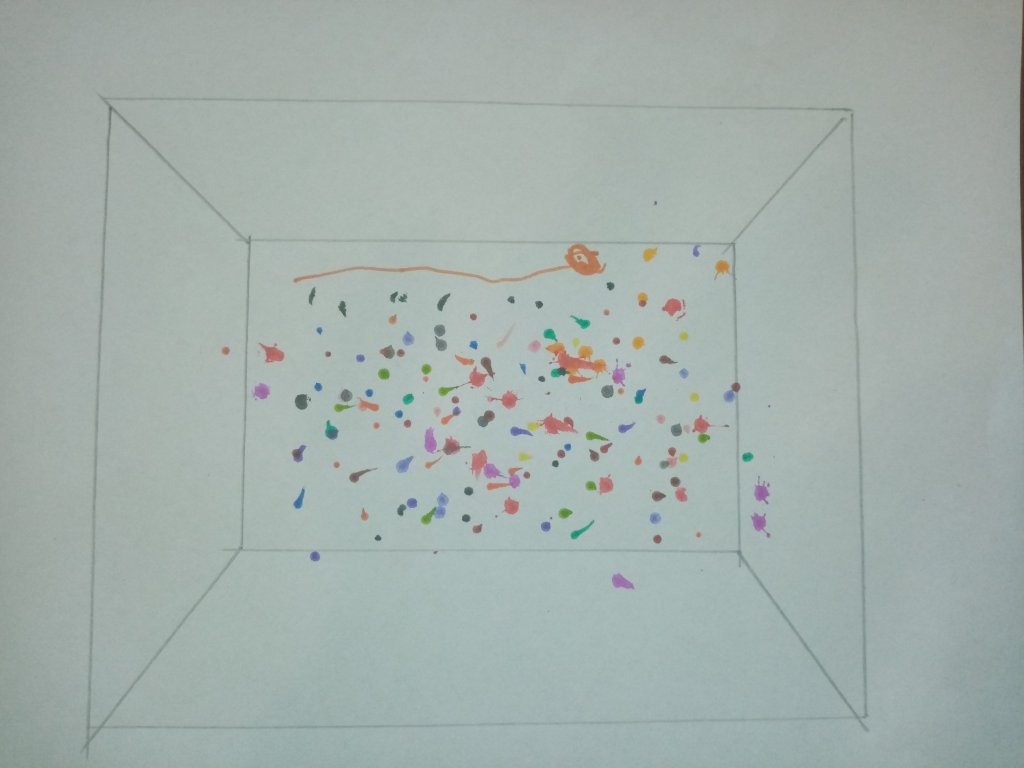
Illusions and perspective
Venn Diagrams: Intersections of Colours in Space
Multiplication gardens
What age is it suitable for?
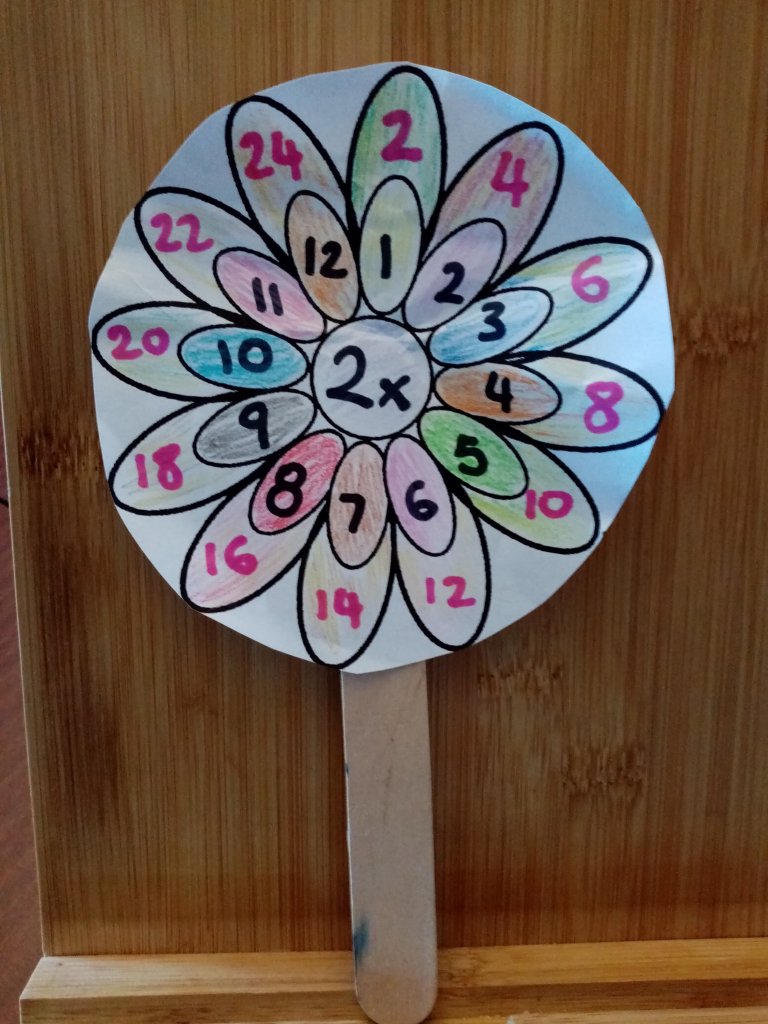
I adapted the activities to suit around age 5 years (so Year 1 / KS1). The flexibility of the kit means it’s probably suitable for general primary school (KS1 / KS2) as you can adapt the activities to suit your needs. We did a little on ‘skip counting’ by 2’s but you could just as easily practice higher multiplication tables. There are worksheets for calculating area that we skipped at this stage in our learning. We completely changed the algebra and problem solving activity to tie in with our Amazon Rainforest unit and simply explored colour.
Tip: I loved some of the templates in the kit and simply photocopied them for current use and hope to revisit them in the future. Kits like these are useful because you can revisit them the following year and simply build-on with what you’ve explored in the time since.
The World Crate is in an introduction to the Atlas series and will be the first box that you receive. It introduces the children to careful Milo (the prepared planner) and carefree Anya (let’s go!) as they realize they would love to see the world.
Learn about maps, continents, and the world!
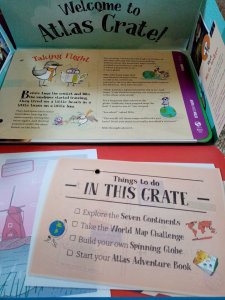
There are a number of activities for kids to do in this first box 🙂 After reading the welcome story from Anya and Milo, they can choose what they would like to do next.
Spinning Globe
KiwiCo – Atlas World Crate – Create your own globe!
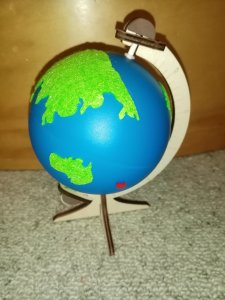
The first thing activity that Miss 6 chose was making her own globe. This activity provides a great introduction to teaching continents, introducing concepts of Latitude and Longitude, and talking about 2D vs 3D representations of the world.
You can personalise your globe by adding a cool red felt heart. For kiwi kids, be aware that despite the branding this is produced by an American company and New Zealand is not included on the globe (neither are other non-continental islands such as Japan, Indonesia, or Madagascar). I told her this was simply because New Zealand is full of so much aroha that we get a heart icon ❤ [There was also a less well received explanation about continents].
How to explain Day and Night
A fun activity to do with your new globe is exploring why the Earth’s rotation (spin) creates day and night cycles. All you need is a lamp or a torch! Miss 6 loves to spin the globe in front of the sun (lamp) and see where the heart lands. If it’s facing the sun then it’s morning, if it’s facing away then it’s night time, and if it’s half way then she decides it’s afternoon. It’s a great way of demonstrating why it might be daytime where you live but night time for friends or family living elsewhere in the world!
Learn how to read a map (treasure hunt style!)
KiwiCo – Atlas World Crate – Introducing Longitude and Latitude
The World Crate comes with a World Map for the wall. This allows you to extend on the concepts being introduced to go from continents to countries. It also introduces how to read a compass rose (North, South, East, West), and how to read latitude and longitude (i.e. 38’S, 175’E).
It also comes with a colouful activity sheet with a number of questions for kids to answer by finding co-ordinates on the map.
Make your own passport
KiwiCo – Atlas World Crate – Create your own passport!
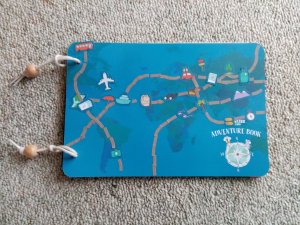
Kids get to take charge of their ‘Atlas Adventure Book’ by personalising it with stickers and adding their name. They can also choose what order the continent (or section) cards are arranged in. These are: Australia & Oceania, Asia, South America, North America, Europe, Africa, and Antarctica.
Each continent card comes with some colourful photos and cartoons, trivia, and a basic map. Subsequent boxes, themed by country, will add a country card and passport sticker to their Adventure Book.
It contains “47 countries and 100 extraordinary places to visit” and is themed around interconnectedness. Rather than grouping countries by continent, or ordering alphabetically, this takes you on a hopscotch tour around the world to illustrate how our world’s wonders can be curiously linked.
Each country visited has a map icon showing it’s location on the globe, a few facts (including one obscure one), two interesting locations, phenomenon, festivals, or human achievements, etc. A key tie-in to the World box is that each ‘place’ visited provides Latitude and Longitude co-ordinates for locating it on the giant world map.
Was it worth it?
Pro: It’s a colourful and unique book that we can tie in with the world map. It also retails well above what was charged for it.
Con: Miss 6 isn’t particularly interested. She has about a 5 – 10 minute attention span for jumping into the book randomly. She’d rather be able to spin the globe she made and have that determine where we visit in the book; what we really needed was a world map included in the book with stars for all 100 locations visited!
Overall: One of the tricky things with books and the Atlas line is that it’s aimed at quite a diverse age (6-11 years); I suspect this book is probably of more interest to 8-10 year olds. What we will probably do is reference it with each subsequent Atlas crate and also look up photos/videos online of the places referenced.
Alternative books
KiwiCo also provide book recommendations on their website for each crate. For the World box, they suggest Barefoot Books World Atlas and The Barefoot Books Children of the World. We picked up a free secondhand copy of ‘Children of the World’ and Miss 6 loves it. It’s very approachable for younger kids (and those that struggle with reading) as it’s highly visual in its approach illustrating ways that different families might live, eat, dress, and play around the world.
HOW DO I ORDER ATLAS CRATE?
This is not a paid review. I spent a lot of time searching the internet to find out more information about the Kiwi Crate and Atlas Crate boxes before deciding to try them and found the blog posts / photos that people shared were really useful!
If you would like to try Atlas Crate (or one of their other lines), you can receive 50% off your first box by clicking here.
What I like about the Atlas Crate kits is that they provide a colourful and imaginative way of exploring the world through hands-on activities. I like that they use a mix of STEM and art to explore different concepts and ideas. Their products are also very well made, with clear instructions, and kids feel a real sense of pride in what they accomplish with each box.
There’s no obligation to sign-up in an on-going capacity so it’s easy to tie them in with birthdays / Christmas; the boxes are quite compact so they also store easily in a cupboard for bringing them out on a rainy day. Other families will choose to sign up for a longer period (like a 3, 6, or 12 month cycle).
WHAT IS IN AN ATLAS CRATE?
Each Atlas Crate comes with a special airmail envelope from Anya the Cricket and Milo the Sandpiper revealing where they’ve been on their latest adventure. There is a special passport sticker for your child’s Atlas Adventure Book plus seven new pages to add about a new country (highlighting geography, customs, landmarks, history, and foods).
There are supplies for two activities (which might be a mix of art, STEM, and games) as well as suggestions for more DIY activities to try at home – from things to make, to things to bake!
If you choose the Deluxe option, then you will also receive a book that helps you explore that month’s destination. This upgrade is an additional USD$9.95 (approx. $15 NZD) and can impact shipping costs as well. Since we’re homeschooling, I decided that we’d try the Deluxe option for 6 months to see how useful we find it.
It’s a way of engaging with Venn diagrams; traditionally, these are used to show the overlap of sets or categories of information but this wonderful visual explanation of them explores the ways that colours mix and overlap. It’s an organic process, reminiscent of the natural world, that removes language barriers and can appeal to visual learners.
It’s also beautiful, fun, and sensory. It can be used to encourage flexibility and demonstrate how things can be the same-but-different by experimenting with different colour mediums.
Exploring Venn diagrams through colour (Watercolour)
Book Suggestions
A great book to pair with this is Ish by Peter H. Reynolds to demonstrate that perfection in art is not necessary (for those that worry about colouring outside the lines).
The Dot, also by Peter H. Reynolds, which shows how an entire modern art collection can grow from something as simple as a circle.
Making beautiful marbled paper is a fun and easy craft to do as a family!
One of the things I love about homeschooling is the way you can be multi-modal and explore areas like science or maths through art. Kids love to learn by being creative and hands on!
This is a fun and easy messy play activity that is cheap to do and makes beautiful decorative paper that you can use for upcycling crafts, making cards or christmas crackers, or to theme in with other activities. This green and yellow design was done to explore Spring and daffodils.
Spray shaving foam (about an inch deep) to cover a tray at least A4 in size.
Generously drip food colouring onto the foam.
Discuss first what colours you will use; it’s a good idea to start with 2-3 colours and build up from there (to avoid eager mixing creating a muddly brown!)
Ask younger children to predict what might happen when certain colours are mixed together; i.e. red and yellow (orange); blue and red (purple).
Press the paper firmly onto the foam making sure that all parts of the paper make contact.
Scrape as much foam off the paper as you can.
Leave the paper to dry.
Voila! You have beautiful marbled paper!
Tips
This is an all year round activity, however, you will want to adjust your clean up methods to the season! In summer, consider doing this outside in the warm sun on the grass – hose down your kids afterwards and peg paper to dry on the washing line. In winter, consider doing this in the garage or kitchen on top of a tarpaulin – have paper towels (or a hot shower) ready for clean up and lie paper on a clothes drying rack.
Sensory kids may have different parts of this activity that they like to participate in or watch. It’s a great idea to have some washable toys on hand that can use to play in the shaving foam once you’ve finished with the paper – this may be your kids favourite part! If it’s summer, consider letting them use the left over shaving foam to create a slip’n’slide on the trampoline or a messy ‘snowball’ fight.
The Inca civilisation had a complex administration system keeping detailed records of supplies, people, tributes, and stored goods. They also maintained over 40,000km (25,000 miles) of paved roadways with an State chaski messenger relay system.
As well as a rich oral culture, detailed records and messages were kept using quipus (kee-pooz). Instead of a system of written symbols (such as hieroglyphics or an alphabet), the Inca had a woven system of multi-coloured knots suspended from a central string. Different kinds of knots, their colour, and their position had different meanings that translated into a numerical system.
Creating a simple number cipher
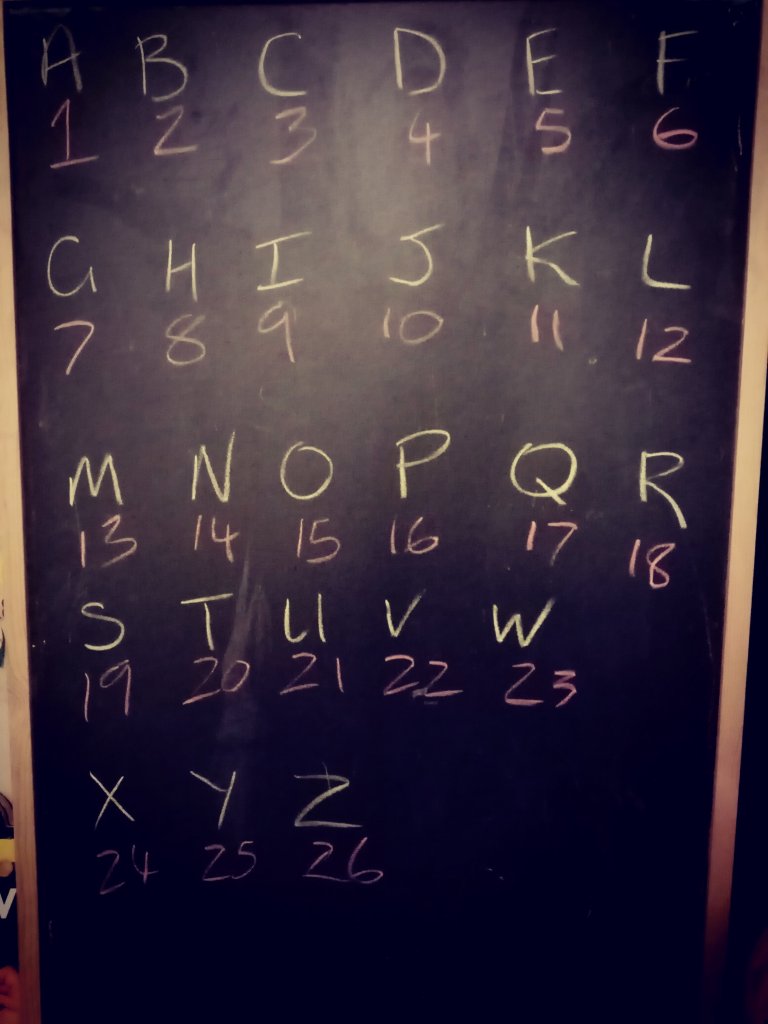
To explore the concept of recording information without using a written language, we will begin by creating a simple number substitution cipher where A=1, B=2, C=3, etc. This will then get translated into a series of knotted beads.
Simple number substitution cipher
Weaving words
Materials
Coloured yarn
Beads
Scissors
Directions
Start by choosing a word that you want to record (such as a name); as in English, you will read this from left to right (with each letter being read from top to bottom).
Weave a simple plait to act as your top anchor; it’s a good idea to have a loop at the left end so that it’s clear where to start reading from.
Knot a piece of yarn to the top anchor (you can slip it through the plait before tying it to help make sure it doesn’t move). Attach the relevant number of beads to correspond with the letter you are recording and knot beneath them so that they don’t slide off.
Letters A – I (numbers 1-9) will be represented by a corresponding number of beads close to the top anchor (i.e. A =1 bead).
Letter J (10) will be be represented as a single bead further down the strand.
Letters K-S (11-19) will be represented by a single bead further down the strand (representing one 10) with a knot to hold it in place, an approx. 5 cm gap, and then a group of beads to represent the ‘ones’ (i.e. S/19 will be one bead = 10, and then a group of nine beads = 9), and a knot to hold in place.
Letters T – Z will be represented by two beads further down the strand (representing two 10) with a knot to hold in place, an approx. 5 cm gap, and then a group of beads to represent the ‘ones’ (i.e. Z/26 will be two beads = 20, and then a group of six beads = 6), and a knot to hold in place.
Keep following Step 3, with a separate piece of yarn for each letter.
Example:
Lily (12/9/12/25) = One top anchor with four strands hanging from it. Reading from left to right, these will hold the following beads: low 1 (10) + 2 (2); high 9 (9); low 1 (10) + 2 (2); low 2 (20) + 5 (5).
Sam (19/1/13) = One top anchor with three strands hanging from it. Reading from left to right, these will hold: low 1 (10) + 9 (9); high 1 (1); low 1 (10) + 3 (3).
Tip: Older kids may want to create their own variation of this code by creating meaning based on the colour, size, or type of beads being used.
Want to find out more about the Inca?
One of my favourite books is proving to be Inca Discover the culture and geography of a lost civilisation. It’s well laid out, has plenty of pictures and infographics, and (very importantly) it has lots of ideas for easy to complete projects to help develop learning. This craft is inspired by one of their projects.
Want another project? Why not try making your own Inca Rope Suspension Bridge. This particular project references the Inca using rope bridges made of woven grass to cross narrow river canyons (such as the Keshwa Chaca – Quecha Bridge).






















 Flying Solo