KiwiCo Review: Kiwi Crate for 5-8 year olds – KALEIDOSCOPE PUZZLES

Creative homeschool STEM fun with the Kiwi Crate Kaleidoscope box learning about reflections and symmetry.

WHAT IS IN THE KALEIDOSCOPE PUZZLE BOX?

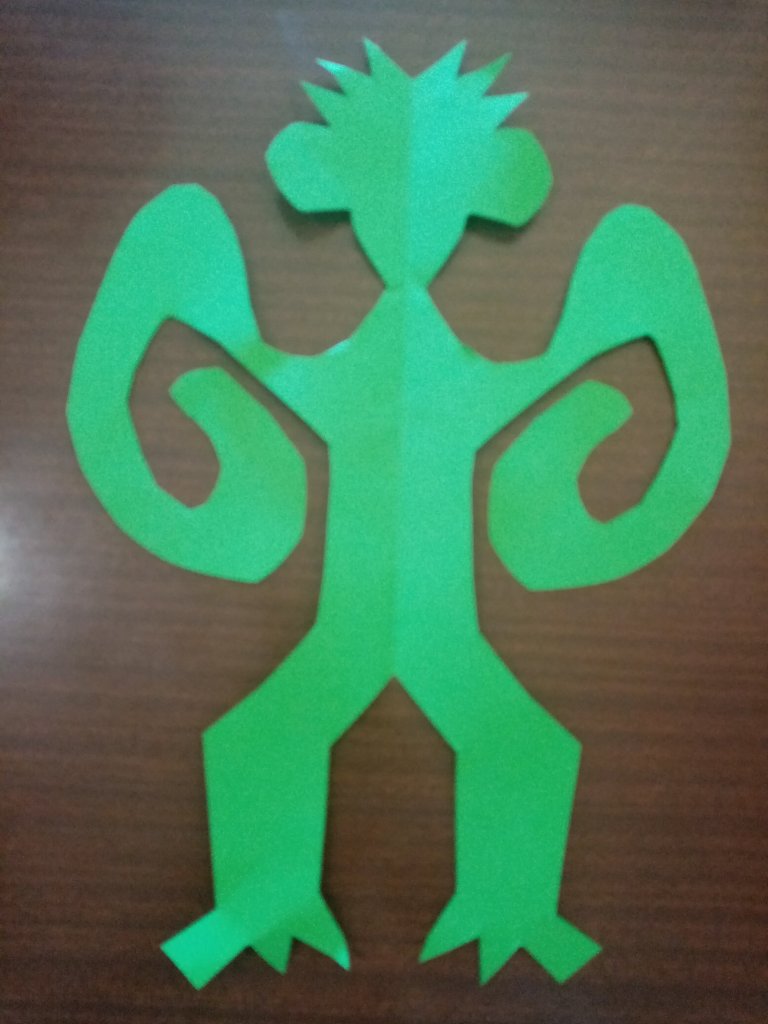
The mathematics focus for this box is learning about symmetry. What I love about KiwiCo is how engaging they make learning about maths and how easy they make it for kids to understand. Both the comic strip and the projects explore symmetry and shapes hands on fun through art and mirrors!

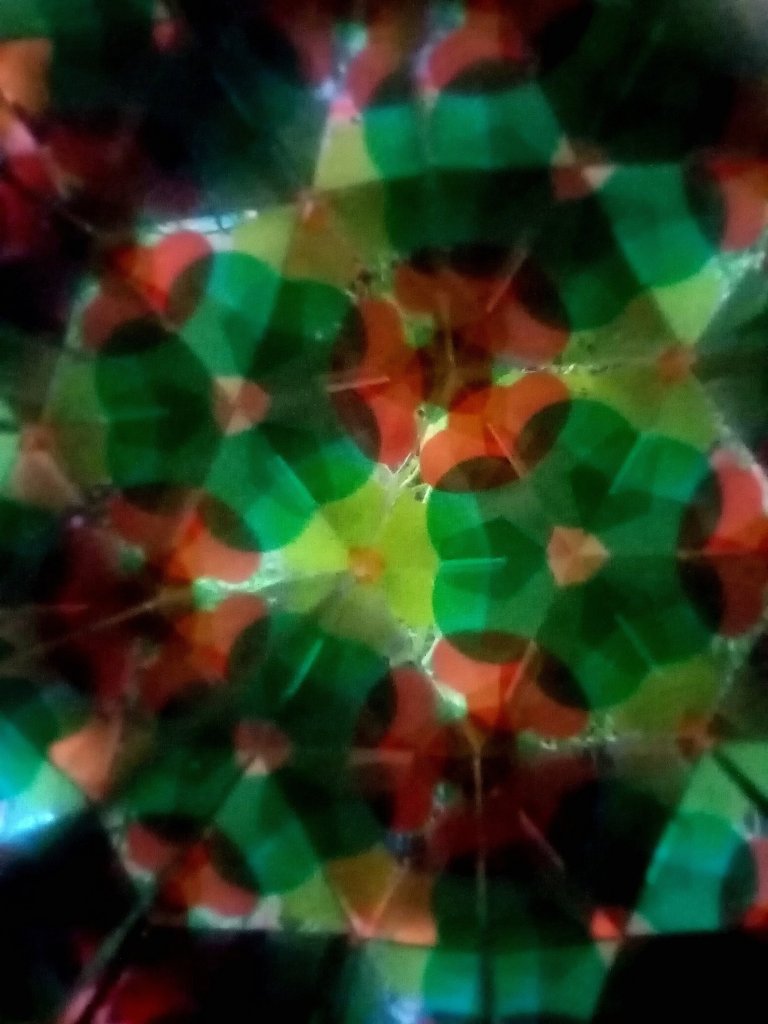
The main engineering build for this box is making a kaleidoscope. We’ve made one with a kit previously but had issues with it coming loose and spilling it’s sparkling contents over the floor! KiwiCo have avoided this issue by having clear plastic wheels that get pinned on (and can get easily swapped out); there are two special sticker sheets provided with numerous colours and shapes so that kids can design their overlapping patterns.

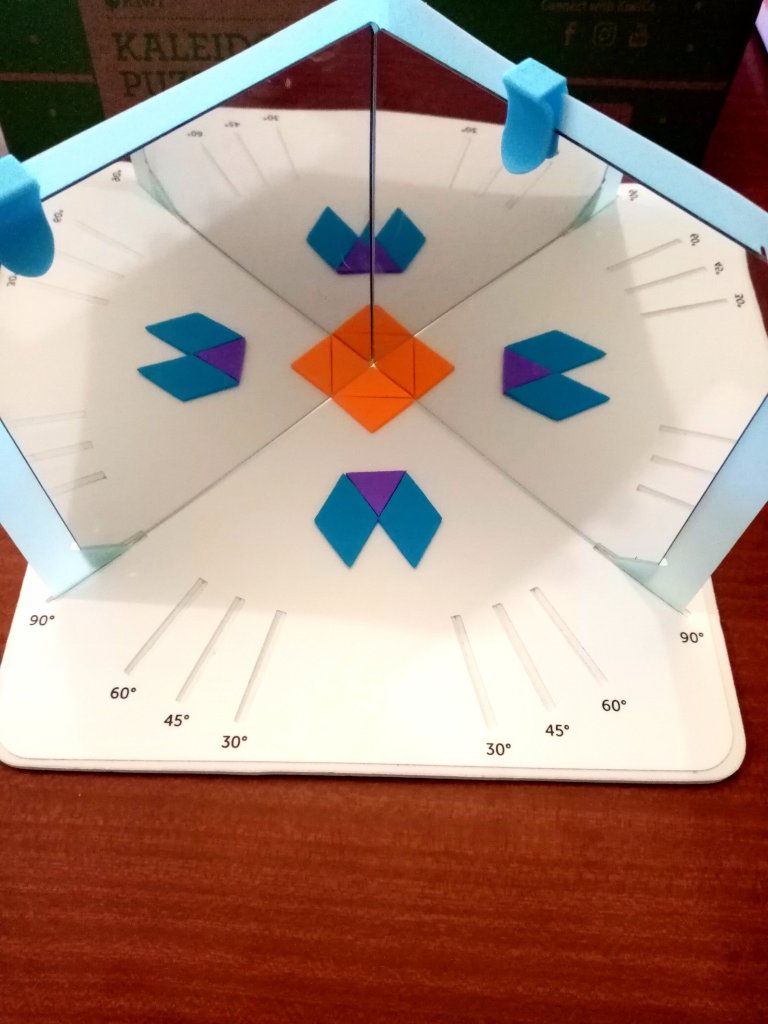
The second project (art and maths) involves experimenting with the mirror book to see what shapes and patterns you can make by shifting the mirror book between 30′, 45′, 60′, and 90′ angles. Encourage children to identify the shapes that are being made (i.e. a square vs pentagram) and to count the number of reflections, points, sides, etc. The box also comes with pre-cut blank shapes and markers so that children can experiment with their own designs! It’s also large enough to accommodate small toys for extra fun!

The third project explores logic and visual discrimination by trying to replicate picture puzzle cards using the coloured shapes provided. There is a convenient travel bag included so that kids can also design their own puzzles or pictures on the go!

The Explore magazine also provides ideas for additional ideas for exploring symmetry – handy if you are homeschooling! These include such activities as kite flying, identifying symmetry in nature, making ‘symmetrical socks’, and getting in the kitchen. We opted for pizza for our kitchen activity – which also conveniently let us explore fractions and sharing (division)!

HOW DO I ORDER KIWI CRATE?

This is not a paid review. I spent a lot of time searching the internet to find out more information about the Kiwi Crate and Atlas Crate boxes before deciding to try them and found the blog posts / photos that people shared were really useful!

If you would like to try Kiwi Crate (or one of their other lines), you can receive 50% off your first box by clicking here.

What I like about the Kiwi Crate kits is that they use a combination of Science, Technology, Engineering, Arts, and Mathematics to explore a concept or idea. There’s no obligation to sign-up in an on-going capacity so it’s easy to tie them in with birthdays / Christmas; the boxes are quite compact so they also store easily in a cupboard for bringing them out on a rainy day. Mind you, this only works if you spot the package on the door-step first – children become quite adept at recognising the green Kiwi Crate box and screaming with delight at it’s arrival!

The boxes are sent randomly so there’s no way to know what will come in the future; however, you can log-in to your account at the start of each month to see what box has been selected. Your box history is kept which means that even if you cancel and then pick-up again the following year they can make sure that you aren’t sent repeats of boxes.

WHAT IS IN A KIWI CRATE?

The Kiwi Crate is aimed at ages 5-8 years. It comes with a copy of the Explore magazine which opens with a fun comic about Steve the Kiwi and his friends. [As a side note, these are made by an American company despite the use of our New Zealand native bird]. These comics are really approachable for younger kids and a great way of exploring the concepts being introduced in a relateable manner.

The Explore magazine provides a range of information on the topic, it might include some simple games or tricks to try at home, and provide ideas for additional crafts / activities using simple materials. It also has a sticker [unique to each box theme] to put on your Kiwi Crate chart.

The box also includes an instruction manual and the materials that you need to build the main craft. Generally, there are two activities to do – one that is more art related, and one that is more mechanical engineering. What makes the kits special, is how well crafted the engineering components are. They really are designed for the intended age group so that they can either build themselves or help assist an adult. There are handy visual images and checkpoints to make sure that things are aligned correctly. There is no super-bonding-fingers-together wood glue to use with these projects (which makes them great for highly sensory children); instead parts come with double sided tape finely engineered on so that you just need to remove the backing strip of paper.

Interested in more homeschool box reviews?

Discover the World with ATLAS Crate

#1 Introducing the World

#2 Discover Japan

Explore STEM with Kiwi Crate

#1 Arcade Box (and the Claw!)

#2 The Amazing Animation Box (make your own 19th century movie with a Zoetrope!)

#3 The Mechanical Sweeper Box (make your own baleen whale!)

#4 The Disc Launchers Box (play games with physics!)

#5 Kaleidoscope Puzzles (explore symmetry and mirrors!)

ExperisenseNZ
Exploring Maths through Art

Exploring Space through Art

ExperiSense NZ Review: Exploring Maths through Art Homeschool Box

Shapes and sharing

What is in the ExperiSense NZ Numeracy Art Homeschool Box?

The wonderful thing about homeschooling is the flexibility that it provides for exploring learning through fun, hands-on projects that let you cater for child’s individual learning needs.  There are many different learning styles and not all are catered for by task-orientated repetitive worksheets. For those that are highly visual and hands-on, finding alternative ways to engage in learning concepts is very important.

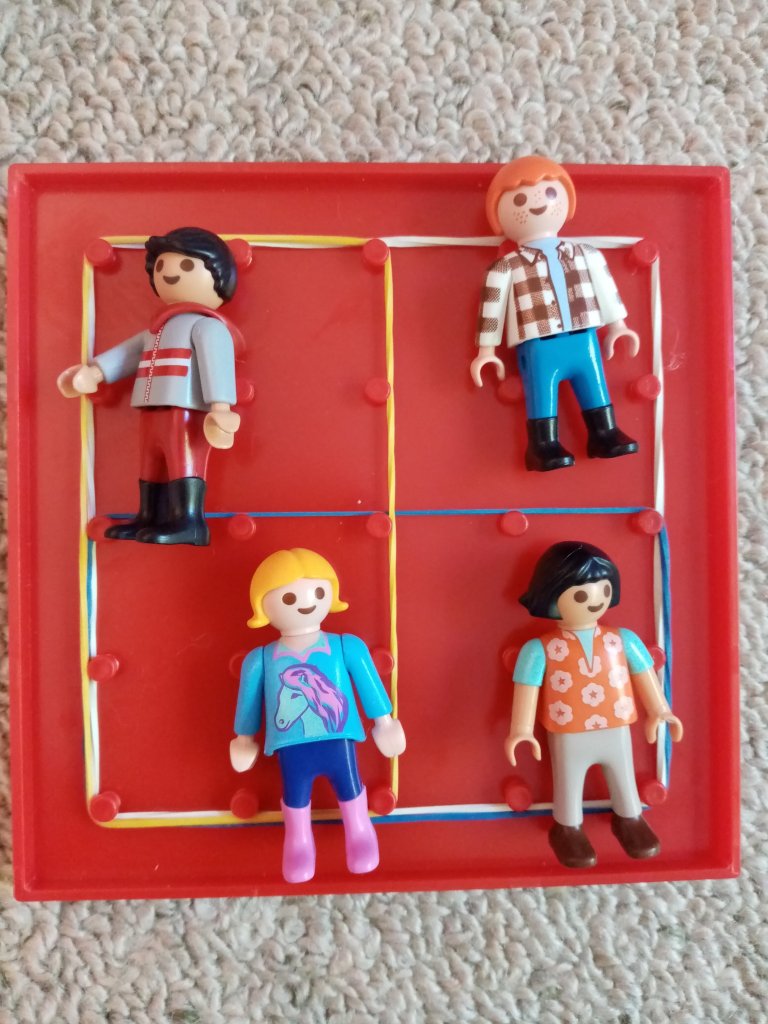
I purchased the ExperiSenseNZ Numeracy Art box for NZD$25 because it allows key numeracy and mathematics learning concepts to be explored in a fun way by using art. It’s fully aligned with the NZ Curriculum and highly adaptable to age, interest, and special needs. I also purchased a geoboard for added fun!

The kit comes with a teaching guide for 12 different activities, most of the materials you’ll need for the activities (assuming you’ll have basics like scissors, glue, and felts at home), and a highly convenient plastic storage case!

What age is it suitable for?

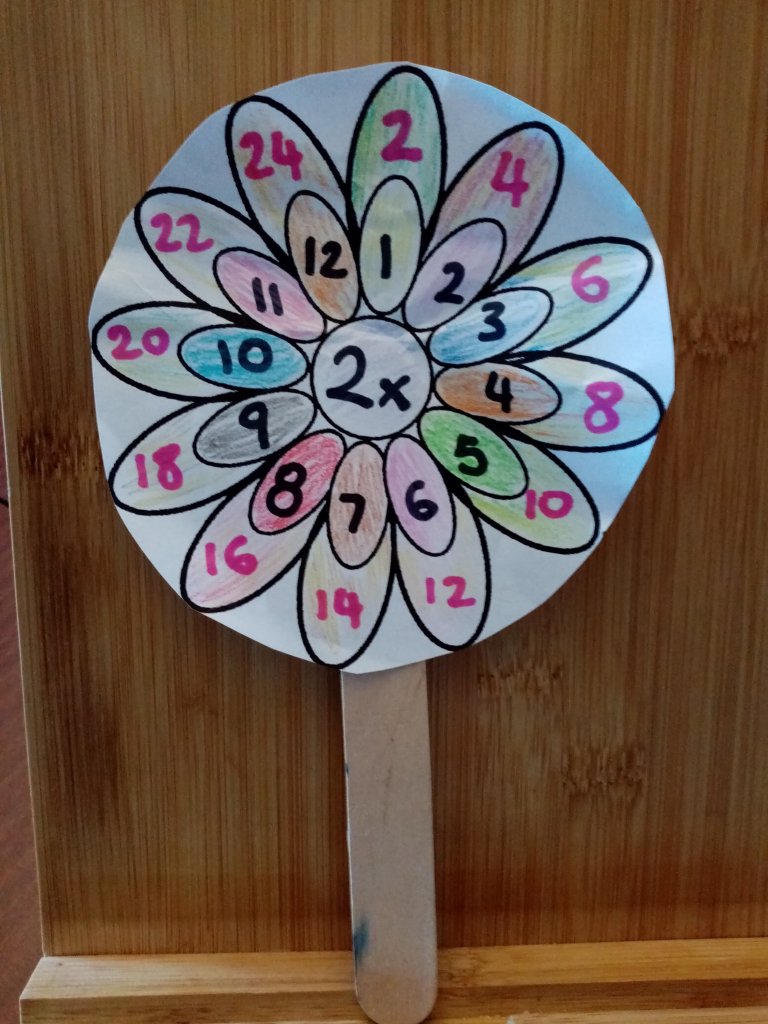
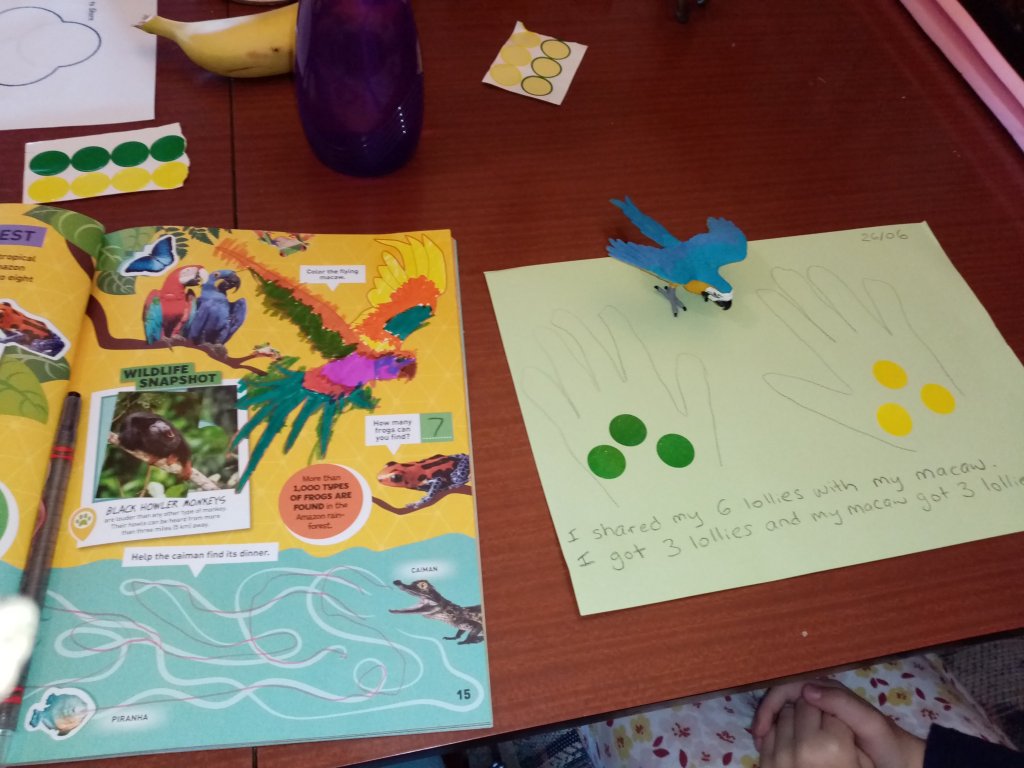
I adapted the activities to suit around age 5 years (so Year 1 / KS1). The flexibility of the kit means it’s probably suitable for general primary school (KS1 / KS2) as you can adapt the activities to suit your needs. We did a little on ‘skip counting’ by 2’s but you could just as easily practice higher multiplication tables. There are worksheets for calculating area that we skipped at this stage in our learning. We completely changed the algebra and problem solving activity to tie in with our Amazon Rainforest unit and simply explored colour.

Tip: I loved some of the templates in the kit and simply photocopied them for current use and hope to revisit them in the future. Kits like these are useful because you can revisit them the following year and simply build-on with what you’ve explored in the time since.

Interested in more homeschool box reviews?

Discover the World with ATLAS Crate

#1 Introducing the World

#2 Discover Japan

Explore STEM with Kiwi Crate

#1 Arcade Box (and the Claw!)

#2 The Amazing Animation Box (make your own 19th century movie with a Zoetrope!)

#3 The Mechanical Sweeper Box (make your own baleen whale!)

#4 The Disc Launchers Box (play games with physics!)

#5 Kaleidoscope Puzzles (explore symmetry and mirrors!)

ExperisenseNZ

Exploring Maths through Art

Exploring Space through Art

KiwiCo Review: Atlas Crate for 6-11 Year Olds – Introducing the World (Deluxe Box)

KiwiCo – discover the world!

WHAT IS IN THE WORLD CRATE?

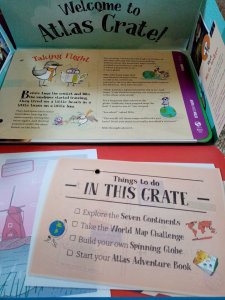
The World Crate is in an introduction to the Atlas series and will be the first box that you receive. It introduces the children to careful Milo (the prepared planner) and carefree Anya (let’s go!) as they realize they would love to see the world.

Learn about maps, continents, and the world!

There are a number of activities for kids to do in this first box 🙂 After reading the welcome story from Anya and Milo, they can choose what they would like to do next.

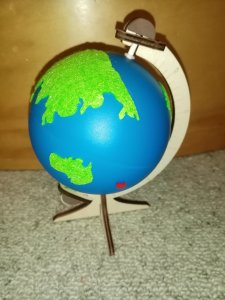
Spinning Globe

KiwiCo – Atlas World Crate – Create your own globe!

The first thing activity that Miss 6 chose was making her own globe. This activity provides a great introduction to teaching continents, introducing concepts of Latitude and Longitude, and talking about 2D vs 3D representations of the world.

You can personalise your globe by adding a cool red felt heart. For kiwi kids, be aware that despite the branding this is produced by an American company and New Zealand is not included on the globe (neither are other non-continental islands such as Japan, Indonesia, or Madagascar). I told her this was simply because New Zealand is full of so much aroha that we get a heart icon ❤ [There was also a less well received explanation about continents].

How to explain Day and Night

A fun activity to do with your new globe is exploring why the Earth’s rotation (spin) creates day and night cycles. All you need is a lamp or a torch! Miss 6 loves to spin the globe in front of the sun (lamp) and see where the heart lands. If it’s facing the sun then it’s morning, if it’s facing away then it’s night time, and if it’s half way then she decides it’s afternoon. It’s a great way of demonstrating why it might be daytime where you live but night time for friends or family living elsewhere in the world!

Learn how to read a map (treasure hunt style!)

KiwiCo – Atlas World Crate – Introducing Longitude and Latitude

The World Crate comes with a World Map for the wall. This allows you to extend on the concepts being introduced to go from continents to countries. It also introduces how to read a compass rose (North, South, East, West), and how to read latitude and longitude (i.e. 38’S, 175’E).

It also comes with a colouful activity sheet with a number of questions for kids to answer by finding co-ordinates on the map.

Make your own passport

KiwiCo – Atlas World Crate – Create your own passport!

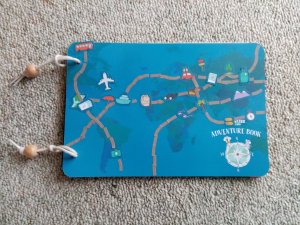
Kids get to take charge of their ‘Atlas Adventure Book’ by personalising it with stickers and adding their name. They can also choose what order the continent (or section) cards are arranged in. These are: Australia & Oceania, Asia, South America, North America, Europe, Africa, and Antarctica.

Each continent card comes with some colourful photos and cartoons, trivia, and a basic map. Subsequent boxes, themed by country, will add a country card and passport sticker to their Adventure Book.

WHAT IS THE DELUXE BOX BOOK?

KiwiCo – Atlas World Crate – Deluxe Box Book

We received “The Atlas Obscura: Explorer’s Guide for The World’s Most Adventurous Kid” by Dylan Thuras and Rosemary Mosco (retailing at NZD$47).

It contains “47 countries and 100 extraordinary places to visit” and is themed around interconnectedness. Rather than grouping countries by continent, or ordering alphabetically, this takes you on a hopscotch tour around the world to illustrate how our world’s wonders can be curiously linked.

It begins in Iceland by descending into Thrihnukagigur volcano, before imagining the Blue Whale migration near Husavik. It then speeds you across the world to Zambia for a different kind of migration: the fruit bats of Kasanka National Park. The Devil’s Swimming Pool is next, followed by a different wild waterfall – the Blood Falls of Antarctica.

Each country visited has a map icon showing it’s location on the globe, a few facts (including one obscure one), two interesting locations, phenomenon, festivals, or human achievements, etc. A key tie-in to the World box is that each ‘place’ visited provides Latitude and Longitude co-ordinates for locating it on the giant world map.

Was it worth it?

Pro: It’s a colourful and unique book that we can tie in with the world map. It also retails well above what was charged for it.

Con: Miss 6 isn’t particularly interested. She has about a 5 – 10 minute attention span for jumping into the book randomly. She’d rather be able to spin the globe she made and have that determine where we visit in the book; what we really needed was a world map included in the book with stars for all 100 locations visited!

Overall: One of the tricky things with books and the Atlas line is that it’s aimed at quite a diverse age (6-11 years); I suspect this book is probably of more interest to 8-10 year olds. What we will probably do is reference it with each subsequent Atlas crate and also look up photos/videos online of the places referenced.

Alternative books

KiwiCo also provide book recommendations on their website for each crate. For the World box, they suggest Barefoot Books World Atlas and The Barefoot Books Children of the World. We picked up a free secondhand copy of ‘Children of the World’ and Miss 6 loves it. It’s very approachable for younger kids (and those that struggle with reading) as it’s highly visual in its approach illustrating ways that different families might live, eat, dress, and play around the world.

HOW DO I ORDER ATLAS CRATE?

This is not a paid review. I spent a lot of time searching the internet to find out more information about the Kiwi Crate and Atlas Crate boxes before deciding to try them and found the blog posts / photos that people shared were really useful!

If you would like to try Atlas Crate (or one of their other lines), you can receive 50% off your first box by clicking here.

What I like about the Atlas Crate kits is that they provide a colourful and imaginative way of exploring the world through hands-on activities. I like that they use a mix of STEM and art to explore different concepts and ideas. Their products are also very well made, with clear instructions, and kids feel a real sense of pride in what they accomplish with each box.

There’s no obligation to sign-up in an on-going capacity so it’s easy to tie them in with birthdays / Christmas; the boxes are quite compact so they also store easily in a cupboard for bringing them out on a rainy day. Other families will choose to sign up for a longer period (like a 3, 6, or 12 month cycle).

WHAT IS IN AN ATLAS CRATE?

Each Atlas Crate comes with a special airmail envelope from Anya the Cricket and Milo the Sandpiper revealing where they’ve been on their latest adventure. There is a special passport sticker for your child’s Atlas Adventure Book plus seven new pages to add about a new country (highlighting geography, customs, landmarks, history, and foods).

There are supplies for two activities (which might be a mix of art, STEM, and games) as well as suggestions for more DIY activities to try at home – from things to make, to things to bake!

If you choose the Deluxe option, then you will also receive a book that helps you explore that month’s destination. This upgrade is an additional USD$9.95 (approx. $15 NZD) and can impact shipping costs as well. Since we’re homeschooling, I decided that we’d try the Deluxe option for 6 months to see how useful we find it.

Interested in more homeschool box reviews?

Discover the World with ATLAS Crate

#1 Introducing the World

#2 Discover Japan

Explore STEM with Kiwi Crate

#1 Arcade Box (and the Claw!)

#2 The Amazing Animation Box (make your own 19th century movie with a Zoetrope!)

#3 The Mechanical Sweeper Box (make your own baleen whale!)

#4 The Disc Launchers Box (play games with physics!)

#5 Kaleidoscope Puzzles (explore symmetry and mirrors!)

ExperisenseNZ
Exploring Maths through Art

Exploring Space through Art

Intersections of art and numeracy (an exploration of colour)

Exploring Venn diagrams through colour (pencil)

This is one of my favourite activities from our ExperiSense NZ homeschool box that explores maths through art.

It’s a way of engaging with Venn diagrams; traditionally, these are used to show the overlap of sets or categories of information but this wonderful visual explanation of them explores the ways that colours mix and overlap. It’s an organic process, reminiscent of the natural world, that removes language barriers and can appeal to visual learners.

It’s also beautiful, fun, and sensory. It can be used to encourage flexibility and demonstrate how things can be the same-but-different by experimenting with different colour mediums.

Exploring Venn diagrams through colour (Watercolour)

Book Suggestions

A great book to pair with this is Ish by Peter H. Reynolds to demonstrate that perfection in art is not necessary (for those that worry about colouring outside the lines).

The Dot, also by Peter H. Reynolds, which shows how an entire modern art collection can grow from something as simple as a circle.

Also wonderful, are the interactive works of Herve Tullet: Press Here, Mix it Up, and Let’s Play.

Through the Desert – Boardgame Review

Through the Desert – caravan leaders

From the award-winning game designer Reiner Knizia comes a game of strategy, patience, and cool plastic camels! The desert is still treacherous, mysterious, and without mercy. But for those willing to risk the dangers of the shifting, sun-baked sands, the desert holds riches beyond compare.
In Through the Desert, two to five players each control a tribe of nomads vying for control of the desert. By establishing caravans and taking over oases, the players gain points as their tribes increase in power.

Strategy is essential in deciding how and where to build your tribe’s caravans. There are multiple ways to gain points and several ways to win. Should you try to build the longest caravan? Or should you dominate the desert’s oases? Don’t forget to keep an eye on your opponents’ caravans, or you may find your own tribe cut off from valuable water holes.

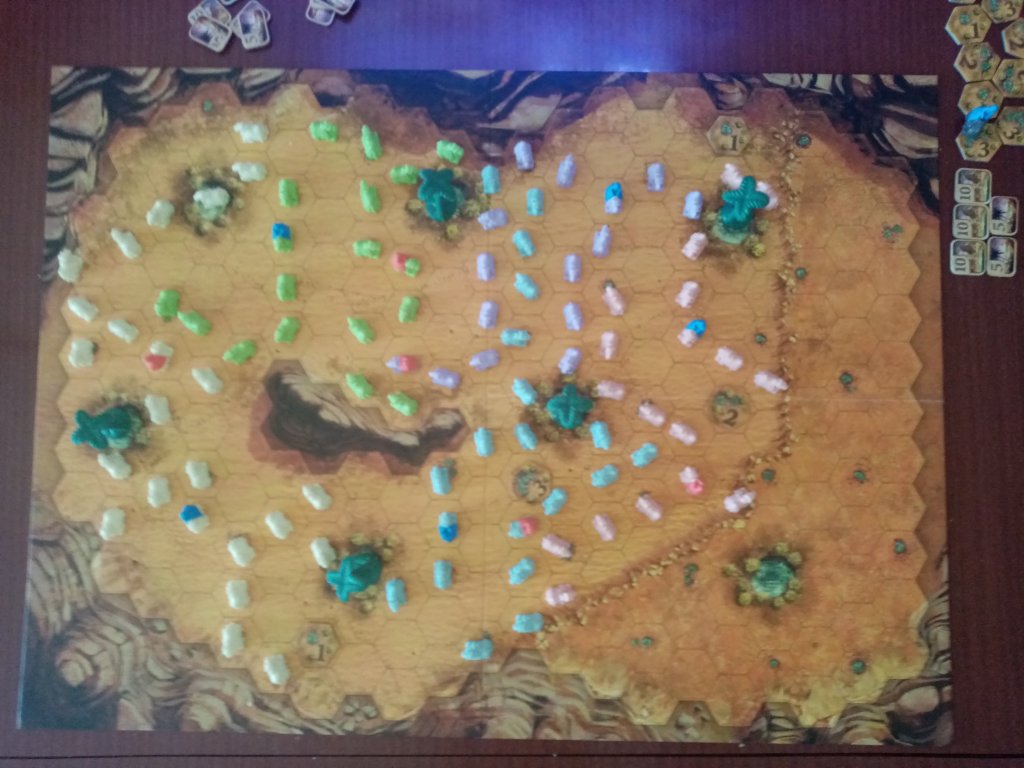
Through the Desert (a strategy / placement game)

Many reviewers have found the game reminiscent of the ancient and elegant game of Go. Through the Desert can be played in a number of strategic ways (including encapsulating territory and aiming to prevent your opponents from reaching key resources) but at it’s heart it’s about camels. 180 beautifully coloured miniature camels in five pastel colours (along with caravan leaders) that are sure to delight younger players (and are still pretty cool as an adult).

Players take turns to place their leaders on the board and then game play proceeds by choosing two camels (of any colour) and placing them on the board (connecting them to your caravan(s) of the same colour. Play continues until there are no camels left of a particular colour.

Strategy comes into play with the various placement rules and scoring system. You can place camels of a different coloured caravan next to your opponents camels but not next to the same colour (an important rule as otherwise camel ownership would become very confusing!). This simple rule opens up all kinds of strategic moves as you work to block opponents from reaching their goals.

Scoring involves reaching the five palm-tree oasis, taking watering holes, capturing territory (by surrounding it), and having the longest caravans of each colour.

Bonus features

There are rules provided for how to scaffold the game from 2 players to 5 players; the beautiful game board also provides natural geographic features to restrict the play area if there are only 2 players. It’s also double sided so that once you have mastered ‘the mountain’, you flip it to see how ‘the river’ changes play.

It also provides optional rules for variant game plays.

What age is the game suitable for?

To an extent, this will depend on the children involved and their interests / attention span. It helps that the rules are simple enough that even younger children can simply choose camels (at random or based on their favourite colour) and join in – while also adding an element of natural chaos to the plans of older players.

Slightly older children will begin to understand there are different possible goals and begin to engage with these. They may choose to focus on a single goal at a time or juggle a multiple focus. Goals can include:

  • Having the most camels of a particular colour on the board.
  • Linking their caravans to as many oasis as possible (each caravan scores 5 points for each oasis they reach).
  • Acquiring as many watering holes as possible (these score points and are removed from the board by the player that reaches them first).
  • Creating lines to stop other players from moving forward / reaching their goal.

Adults will appreciate that last goal often isn’t the most high-scoring but it’s a tactic that kids will delight in when they thwart their parents!

What can boardgames teach us? a.k.a. learning through play

There’s a whole community of homeschoolers who focus on gameschooling as a key way of learning. Why? Because it makes learning fun and there are so many wonderful games out there that can teach kids skills and knowledge without them even being aware that they’re learning.

In Through the Desert, they are learning:

  • Maths: strategy; logical reasoning.
  • Maths: counting to 20, addition, skip counting, and equivalency trading.
    • Even if they don’t instinctively recognise that 5+5 = 10, they can quickly learn that they can trade 2 x 5 point tokens, for a 10 point token with a different picture.
    • Children can help to score at end of game by: counting how many camels they have of each colour; ‘skip counting’ by 5’s or 10’s to add their oasis points; add their 1 / 2 / 3 point watering hole tokens together to find a total.
  • Visual-spatial recognition and reasoning.
    • By end of game there is a beautiful and unique pattern of coloured camels on the board (with complexity increased by number of players) so there is a fair amount of visual processing involved in working out final scoring – especially for minor captured territories (encapsulation).
  • World Studies:
    • It’s a great opportunity to review any desert habitats or countries that you’ve studied. We pulled out our range of desert dwelling animals that we’ve collected in our studies so far to watch the action; unsurprisingly, our Dromedary Camel was lead judge.
  • Life Skills:
    • It’s a great game to discuss short-term gains (such as thwarting parents) vs long-term gains (strategic scoring).
  • Social Skills: turn taking, patience, and good sportsmanship.
Through the Desert end of game

How to make beautiful marbled paper with kids

Making beautiful marbled paper is a fun and easy craft to do as a family!

One of the things I love about homeschooling is the way you can be multi-modal and explore areas like science or maths through art. Kids love to learn by being creative and hands on!

This is a fun and easy messy play activity that is cheap to do and makes beautiful decorative paper that you can use for upcycling crafts, making cards or christmas crackers, or to theme in with other activities. This green and yellow design was done to explore Spring and daffodils.

Materials

  • Plain paper (A4 printer paper works great)
  • Shaving foam (cheap is great!)
  • Food colouring / dye (2-3 colours)
  • Large plastic or tinfoil tray
  • Mixing stick (i.e. an iceblock stick or plastic knife)
  • Scraper (i.e. shower squeegee, plastic knife, iceblock stick, hands)

Directions

  1. Spray shaving foam (about an inch deep) to cover a tray at least A4 in size.
  2. Generously drip food colouring onto the foam.
    • Discuss first what colours you will use; it’s a good idea to start with 2-3 colours and build up from there (to avoid eager mixing creating a muddly brown!)
    • Ask younger children to predict what might happen when certain colours are mixed together; i.e. red and yellow (orange); blue and red (purple).
  3. Press the paper firmly onto the foam making sure that all parts of the paper make contact.
  4. Scrape as much foam off the paper as you can.
  5. Leave the paper to dry.

Voila! You have beautiful marbled paper!

Tips

This is an all year round activity, however, you will want to adjust your clean up methods to the season! In summer, consider doing this outside in the warm sun on the grass – hose down your kids afterwards and peg paper to dry on the washing line. In winter, consider doing this in the garage or kitchen on top of a tarpaulin – have paper towels (or a hot shower) ready for clean up and lie paper on a clothes drying rack.

Sensory kids may have different parts of this activity that they like to participate in or watch. It’s a great idea to have some washable toys on hand that can use to play in the shaving foam once you’ve finished with the paper – this may be your kids favourite part! If it’s summer, consider letting them use the left over shaving foam to create a slip’n’slide on the trampoline or a messy ‘snowball’ fight.

Flavours of the world: How to make Hojarascas Mexican Cookies

How to make delicious Mexican Hojarascas cookies!

One of the wonderful things about homeschooling is that making cookies can definitely be part of the curriculum! We’re studying Mexico at the moment and were sitting in the garden working with clay after watching videos about pottery. Miss decided to make and paint cookies – which then started us researching different types of Mexican cookies.

We settled on hojarascas (oh-ha-rascas) a kind of cinnamon sugar shortbread cookie. The name comes from a Spanish word referring to Autumnal leaves falling from the trees (and the crackling, crunching sound as they crumble beneath feet).

We started with a traditional recipe, and then adapted it to a Kiwi kitchen and making a small batch of about 18 cookies.

Ingredients

  • 100g butter
  • 1/4 cup sugar
  • 1 egg
  • 1/2 Tablespoon baking powder
  • 1 tsp ground cinnamon
  • 1.5 cups high grade flour
  • Topping: 1/2 cup sugar + 2tsp ground cinammon

Directions

  1. Preheat the oven to 180’C / 350’F and line a cookie tray with baking paper.
  2. In a large Pyrex bowl, soften or melt the butter.
  3. Add the sugar and mix well.
  4. Add the egg, cinnamon, and baking powder. Stir to combine.
  5. Slowly mix in the flour until you have a soft dough.
  6. You can can roll it out and use cookie cutters if you want to, but I like to just roll small balls with my fingers and softly flatten them.
  7. Mix the sugar and cinnamon topping on a plate and gently press the cookies into the mix on both sides.
  8. Place the cookies on the tray and bake for 10-15 mins (my oven took exactly 13 minutes!).
  9. Place on a cooling rack and sprinkle with leftover cinnamon-sugar mix. (You could also wait until they are cooled, place the cinnamon-sugar in a ziploc bag, and shake the cookies gently.)

Notes

There are many versions of hojarascas cookies online and although some use butter, traditionally they use lard or shortening. Most recipes have the sugar and cinnamon mix added after baking, whereas I added mine beforehand to help it adhere more firmly. Some recipes add vanilla, or star anise, orange zest, or nuts (like pecans) but the cinnamon and sugar are consistent throughout – it does mean that you can experiment with many variations if these become a firm favourite in your household.

You can also experiment with the ratios of cinnamon:sugar and whether you’d like the cinnamon weighted more to the cookie or topping. I made the cinnamon flavour in the cookie quite mild but others may like it stronger.

World Studies: How to make your name using a secret Inca code!

How to make your name in a secret Inca code!

Ways of recording information

The Inca civilisation had a complex administration system keeping detailed records of supplies, people, tributes, and stored goods. They also maintained over 40,000km (25,000 miles) of paved roadways with an State chaski messenger relay system.

As well as a rich oral culture, detailed records and messages were kept using quipus (kee-pooz). Instead of a system of written symbols (such as hieroglyphics or an alphabet), the Inca had a woven system of multi-coloured knots suspended from a central string. Different kinds of knots, their colour, and their position had different meanings that translated into a numerical system.

Creating a simple number cipher

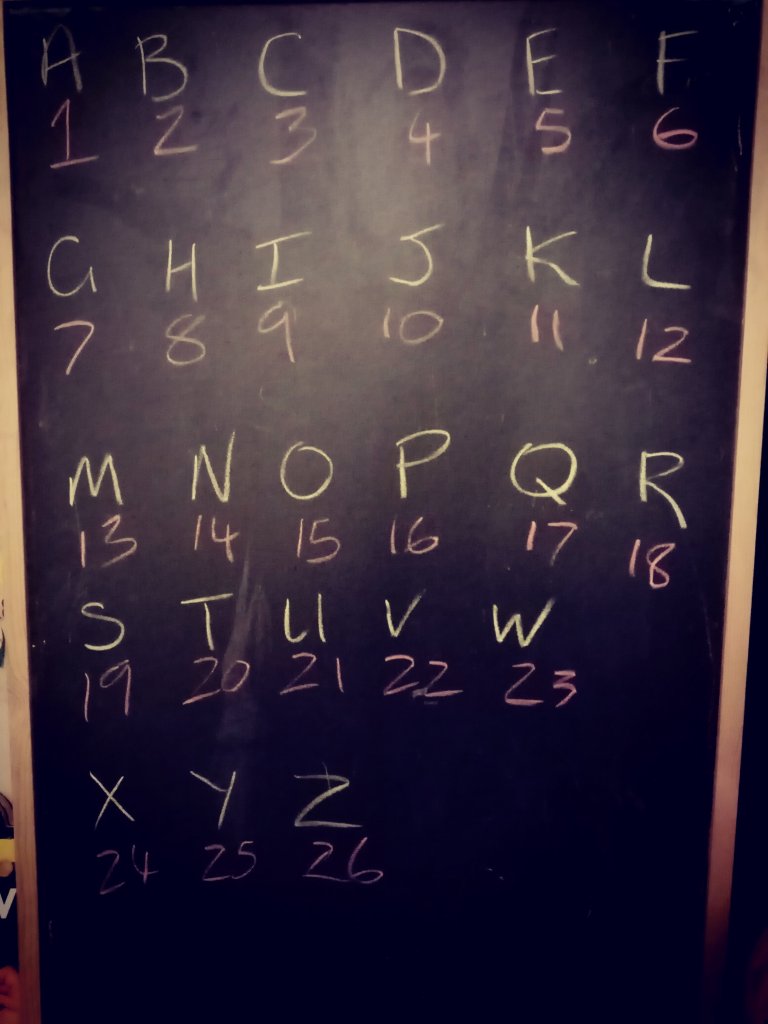
To explore the concept of recording information without using a written language, we will begin by creating a simple number substitution cipher where A=1, B=2, C=3, etc. This will then get translated into a series of knotted beads.

Simple number substitution cipher

Weaving words

Materials

  • Coloured yarn
  • Beads
  • Scissors

Directions

  1. Start by choosing a word that you want to record (such as a name); as in English, you will read this from left to right (with each letter being read from top to bottom).
  2. Weave a simple plait to act as your top anchor; it’s a good idea to have a loop at the left end so that it’s clear where to start reading from.
  3. Knot a piece of yarn to the top anchor (you can slip it through the plait before tying it to help make sure it doesn’t move). Attach the relevant number of beads to correspond with the letter you are recording and knot beneath them so that they don’t slide off.
    • Letters A – I (numbers 1-9) will be represented by a corresponding number of beads close to the top anchor (i.e. A =1 bead).
    • Letter J (10) will be be represented as a single bead further down the strand.
    • Letters K-S (11-19) will be represented by a single bead further down the strand (representing one 10) with a knot to hold it in place, an approx. 5 cm gap, and then a group of beads to represent the ‘ones’ (i.e. S/19 will be one bead = 10, and then a group of nine beads = 9), and a knot to hold in place.
    • Letters T – Z will be represented by two beads further down the strand (representing two 10) with a knot to hold in place, an approx. 5 cm gap, and then a group of beads to represent the ‘ones’ (i.e. Z/26 will be two beads = 20, and then a group of six beads = 6), and a knot to hold in place.
  4. Keep following Step 3, with a separate piece of yarn for each letter.

Example:

Lily (12/9/12/25) = One top anchor with four strands hanging from it. Reading from left to right, these will hold the following beads: low 1 (10) + 2 (2); high 9 (9); low 1 (10) + 2 (2); low 2 (20) + 5 (5).

Sam (19/1/13) = One top anchor with three strands hanging from it. Reading from left to right, these will hold: low 1 (10) + 9 (9); high 1 (1); low 1 (10) + 3 (3).

Tip: Older kids may want to create their own variation of this code by creating meaning based on the colour, size, or type of beads being used.

Want to find out more about the Inca?

One of my favourite books is proving to be Inca Discover the culture and geography of a lost civilisation. It’s well laid out, has plenty of pictures and infographics, and (very importantly) it has lots of ideas for easy to complete projects to help develop learning. This craft is inspired by one of their projects.

A wonderful animated short video for children is The Rise and Fall of the Inca Empire.

Want another project? Why not try making your own Inca Rope Suspension Bridge. This particular project references the Inca using rope bridges made of woven grass to cross narrow river canyons (such as the Keshwa Chaca – Quecha Bridge).

Want to learn more about Quipus? Try this short National Geographic video: Threads that Speak – How the Incas used strings to communicate.

Homeschool STEM: How to make your own rope suspension bridge

Make your own Inca Rope Bridge.

What do you do all day when you homeschool?

Well, lots of things really. It also differs so much from family to family. One unifying factor tends to be the freedom and flexibility to embrace a learning style that works for your particular child (or children). We tend to do lots of hands-on project based learning that weaves together different disciplines. This project for instance encompasses literature, world studies, art, engineering, and problem solving.

We flowed down the Amazon River, away from Brazil’s Pantanal and portion of the Amazon rainforest, to Peru with its vibrant surf culture, Cabillitos de Totora, and the towering Andes mountains – historically home to the Inca civilisation. We have a number of resources from documentaries, to Twinkl, to books; one of my favourites is proving to be Inca Discover the culture and geography of a lost civilisation. It’s well laid out, has plenty of pictures and infographics, and (very importantly) it has lots of ideas for easy to complete projects to help develop learning. [My only wish for improvement would be the addition of colour to make it more visually appealing for children].

This particular project references the Inca using rope bridges made of woven grass to cross narrow river canyons (such as the Keshwa Chaca – Quecha Bridge).

Materials

  • A shoebox or similar (We made excellent use of a KiwiCo box!)
  • Yarn or string
  • Pencils
  • Scissors
  • Ruler
  • Craft materials for decorating the landscape (such as construction paper, markers, or paint).

Directions

  1. Imagine your box is a deep canyon with a river at the bottom. You can decorate it pretty much however you like (from marker pens, to paint, to showers of glitter). We opted for blue construction paper glued in as the river, and crumbled green construction paper as a mountainous landscape in the distance.
  2. Use a sharpened pencil to create a hole near the top edge of one side of the box (and a matching hole on the other side). I was delighted to find that my Kiwico box width was exactly the length of my pencil which made the whole hole making process delightfully easy! I was happy doing things by eye, but a ruler will come in handy if you’d like to be more exact.
  3. Measure a piece of yarn or string so that it will travel from one hole to the other with length left over at each end. This will form one of your handrails.
  4. Thread the yarn through the hole and secure it with a large double knot. Then thread it through the opposite hole and knot it again (check the tension to ensure it is tight).
  5. For your second handrail, move along the box about the length of your little finger. Make another hole (plus one opposite) so that you can repeat Steps 3 and 4.
  6. Now you’re going to make the bottom of the bridge. Imagine a triangle (base facing the sky). Find the mid-point between two holes, measure down about 5cm, and create a new hole (see photo). Create a matching hole on the opposite side of the box. Thread the string through and knot if off (making sure to keep it taught. I used a pencil on each side to help weight the bridge (twisting to add tension).
  7. The final step is making the sides. Cut lengths of yarn (around 15cm). Tie each length to a handrail, loop it twice around the bottom, continue up to the other handrail, loop it around, and then knot. Techniques will vary; I opted to loop mine back and do two sliding knots on the upward slant of the ‘V’. Repeat this process until have traversed the canyon!

Involving kids…

You can tailor this project to the age and interest of the children involved. A simple way to get them involved is by asking them, ‘What would you make a bridge out of?’ and then talking about their answer (and relating it to the real world if applicable – easy to do if they say wood, stone, or steel, trickier if they say marshmallow clouds!).

Ask them at each stage of the process what else they think the bridge needs. After explaining that the first piece of yarn is a handrail, they will hopefully start thinking about the other hand and the feet!

Give them a couple of toys to test the bridge as it is built. Explain that testing designs is an important part of engineering. They may well delight in seeing the figures plummet to the depths below and swim to shore to try again. We found the best ‘to scale’ figure was a Playmobil child crossing the river to meet a grazing Peruvian llama at home in its Andean highlands.

KiwiCo Review: Kiwi Crate for 5-8 year olds – DISC LAUNCHERS

Creative homeschool STEM fun with the Kiwi Crate Disc Launchers box and learning about physics through play!

WHAT IS IN THE DISC LAUNCHER BOX?

The science for this box is learning about physics and inertia. What I love about KiwiCo is how engaging they make learning about physics and how easy they make it for kids to understand. The comic strip for this box features the regular characters having wagon races with their soft toys – when one of the wagons is stopped by a rock, the stuffed bunny goes flying! They learn that not only is inertia a resistance to a change in force – movement – but also that seat-belts are really important protective features.

The Explore magazine gives lots of fun ideas of ways to explore inertia at home – from attempting the ‘pull tablecloth from beneath a plate’ magic trick, to watching what happens when you stop your own wagon suddenly. We found that we could easily repeat the concepts in the comic strip by using Lego vehicles and mini-figures, or by putting little balls into one of our HotWheels that looks like a supermarket trolley.

The main engineering build for this crate is building a Disc Launcher (reminiscent of a clay bird launcher) and there are enough materials to build two of these. There are a heap of wooden discs to launch, and these can also be used for homeschool activities as counting, coins, and whale food.

The disc launcher comes with ideas for games – such as knocking down skittles (rainbow ones included) or playing a version of curling using the scoring mat (included).

The secondary project (art) is using your imagination to make things out of air dry clay (pack included). We used the three colours provided (red, yellow, blue) to make archways, a goalie, and lots of multi-coloured balls. We found that we could get cool multi-coloured swirling colours when lightly combining and a sort-of purple when they were really thoroughly mixed. Our creations then created a kind of obstacle course for the disc launcher. It’s worth noting that air dry clay starts as a very soft malleable material; after 24 hours drying it could readily be played with but was also still able to be changed into new forms. You may want to give it a full week to dry and harden (if the kids are willing to wait that long).

HOW DO I ORDER KIWI CRATE?

This is not a paid review. I spent a lot of time searching the internet to find out more information about the Kiwi Crate and Atlas Crate boxes before deciding to try them and found the blog posts / photos that people shared were really useful!

If you would like to try Kiwi Crate (or one of their other lines), you can receive 50% off your first box by clicking here.

What I like about the Kiwi Crate kits is that they use a combination of Science, Technology, Engineering, Arts, and Mathematics to explore a concept or idea. There’s no obligation to sign-up in an on-going capacity so it’s easy to tie them in with birthdays / Christmas; the boxes are quite compact so they also store easily in a cupboard for bringing them out on a rainy day. Mind you, this only works if you spot the package on the door-step first – children become quite adept at recognising the green Kiwi Crate box and screaming with delight at it’s arrival!

The boxes are sent randomly so there’s no way to know what will come in the future; however, you can log-in to your account at the start of each month to see what box has been selected. Your box history is kept which means that even if you cancel and then pick-up again the following year they can make sure that you aren’t sent repeats of boxes.

WHAT IS IN A KIWI CRATE?

The Kiwi Crate is aimed at ages 5-8 years. It comes with a copy of the Explore magazine which opens with a fun comic about Steve the Kiwi and his friends. [As a side note, these are made by an American company despite the use of our New Zealand native bird]. These comics are really approachable for younger kids and a great way of exploring the concepts being introduced in a relateable manner.

The Explore magazine provides a range of information on the topic, it might include some simple games or tricks to try at home, and provide ideas for additional crafts / activities using simple materials. It also has a sticker [unique to each box theme] to put on your Kiwi Crate chart.

The box also includes an instruction manual and the materials that you need to build the main craft. Generally, there are two activities to do – one that is more art related, and one that is more mechanical engineering. What makes the kits special, is how well crafted the engineering components are. They really are designed for the intended age group so that they can either build themselves or help assist an adult. There are handy visual images and checkpoints to make sure that things are aligned correctly. There is no super-bonding-fingers-together wood glue to use with these projects (which makes them great for highly sensory children); instead parts come with double sided tape finely engineered on so that you just need to remove the backing strip of paper.

Interested in more homeschool box reviews?

Discover the World with ATLAS Crate

#1 Introducing the World

#2 Discover Japan

Explore STEM with Kiwi Crate

#1 Arcade Box (and the Claw!)

#2 The Amazing Animation Box (make your own 19th century movie with a Zoetrope!)

#3 The Mechanical Sweeper Box (make your own baleen whale!)

#4 The Disc Launchers Box (play games with physics!)

#5 Kaleidoscope Puzzles (explore symmetry and mirrors!)

ExperisenseNZ

Exploring Maths through Art

Exploring Space through Art